
The single most important hour in a cosmetic case is the one where nothing permanent happens. It is the hour you get to try the smile on, argue with it, and change it while changing it is still free.
What a preview actually is
A preview is a thin, temporary version of your proposed smile, shaped directly onto your own teeth from a plan we have already designed. Nothing is filed, nothing is bonded permanently, and it peels off at the end of the visit or a few days later if you want to live with it for a while.
It exists because a drawing is not a smile. Photographs, digital mock-ups, and even a model on the bench are all useful planning tools and none of them tell you how a shape behaves when your top lip moves. The only reliable test is your own face.
The appointment, step by step
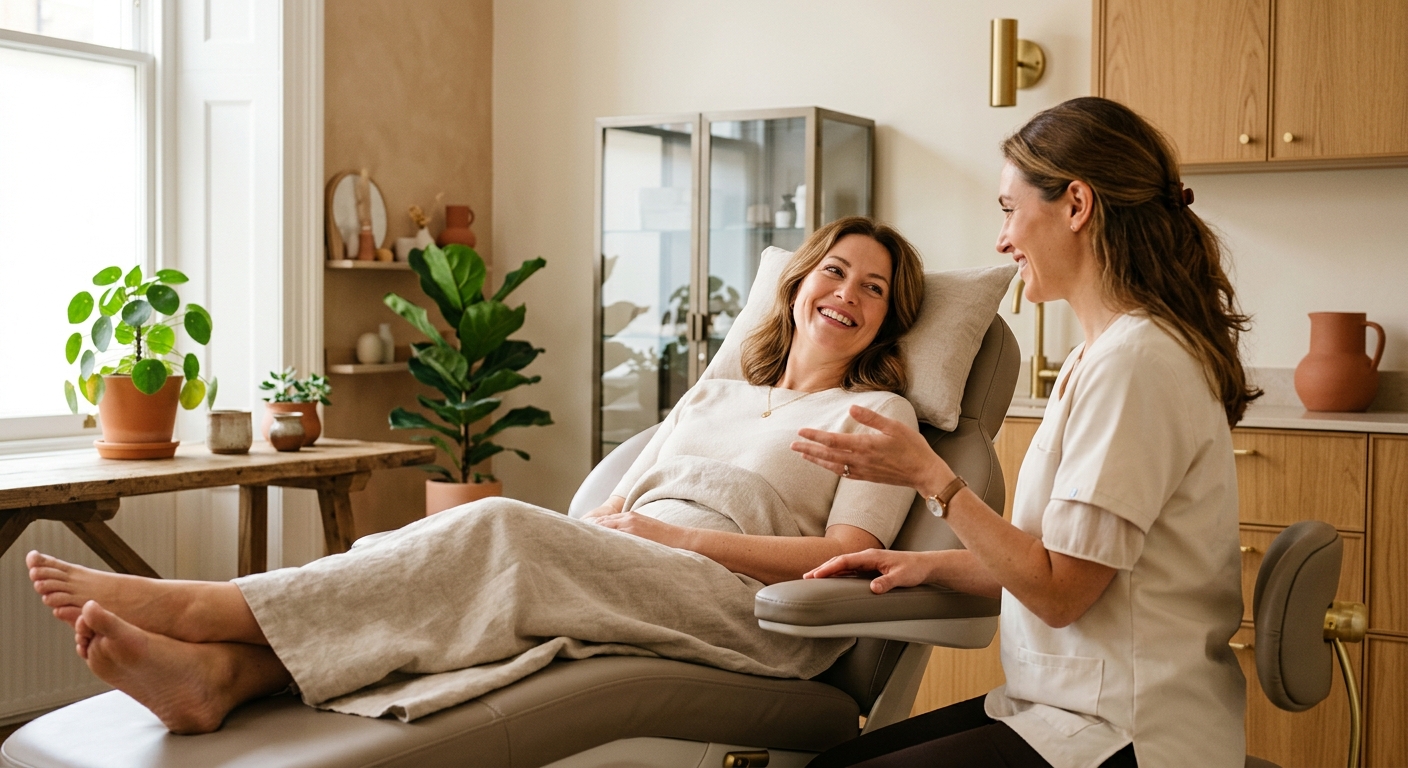
Plan on ninety minutes, most of which is conversation and mirrors rather than instruments. Nobody is numb and nothing hurts.
- Photographs and a scanWe take a set of standard photographs, including you laughing rather than posing, and a digital scan of your teeth. The laughing shot matters most, because it shows how much tooth you actually reveal.
- The design conversationWe put the plan on screen and talk through edge length, midline, and how square or rounded the corners should be. This is the point to bring in a picture of a smile you like.
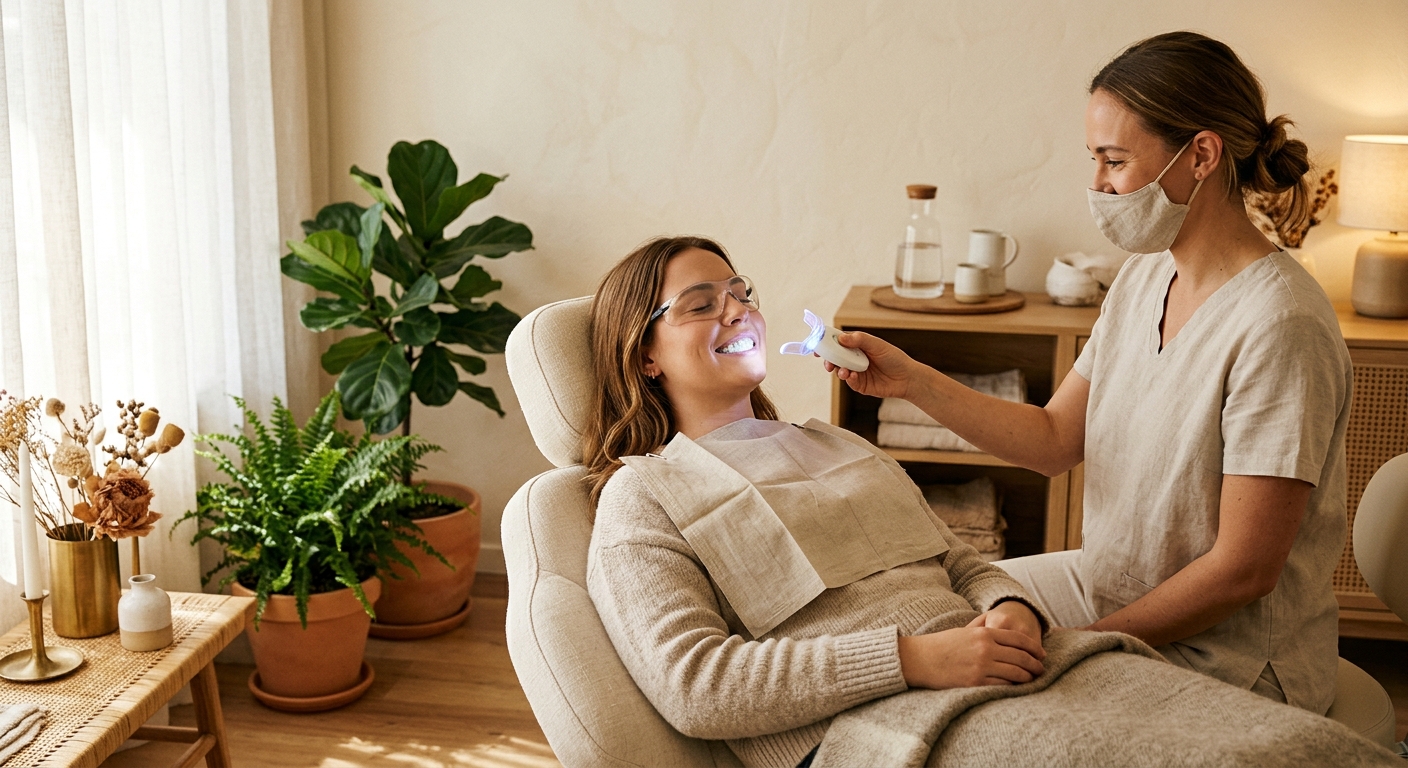
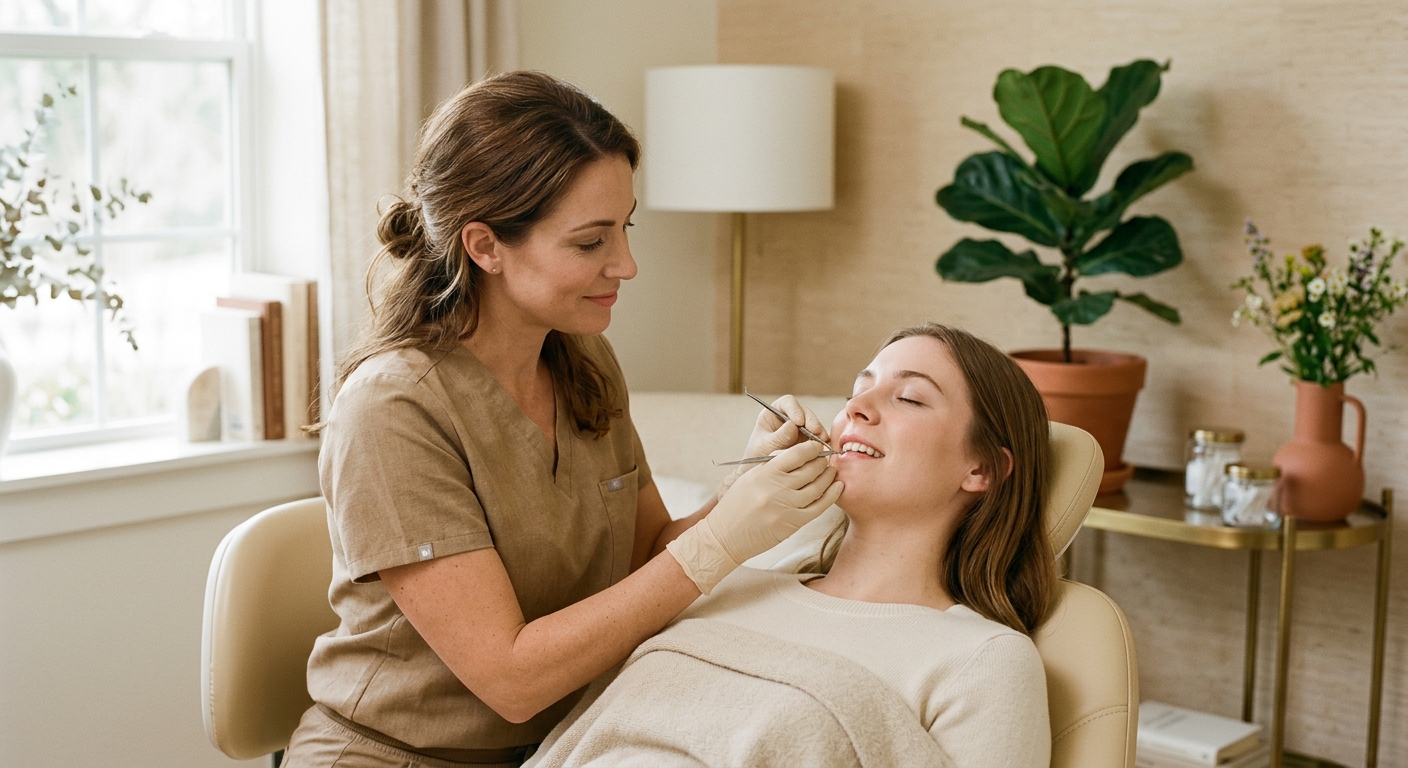
- Building it in your mouthThe proposed shapes are formed over your teeth. It takes about twenty minutes and feels like nothing more than a slightly thicker tooth surface.
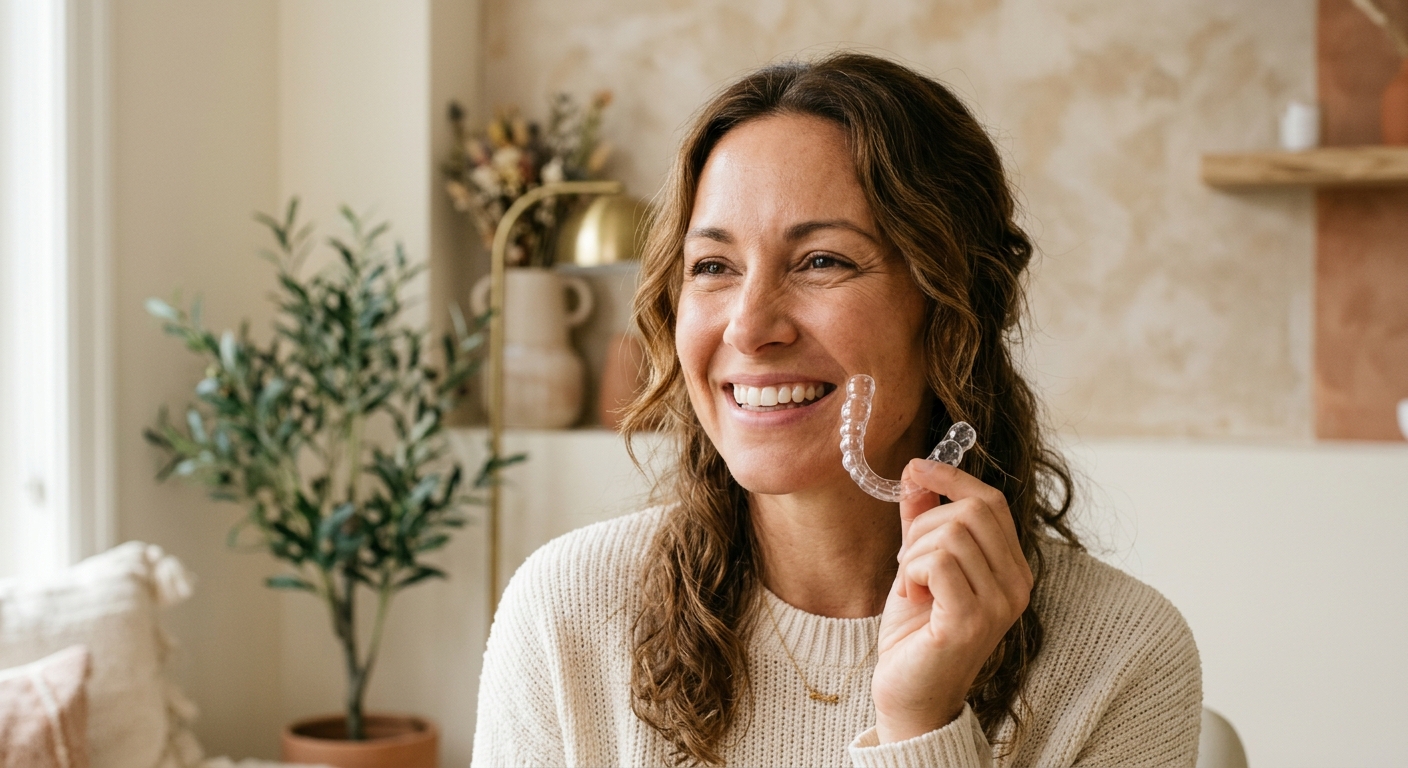
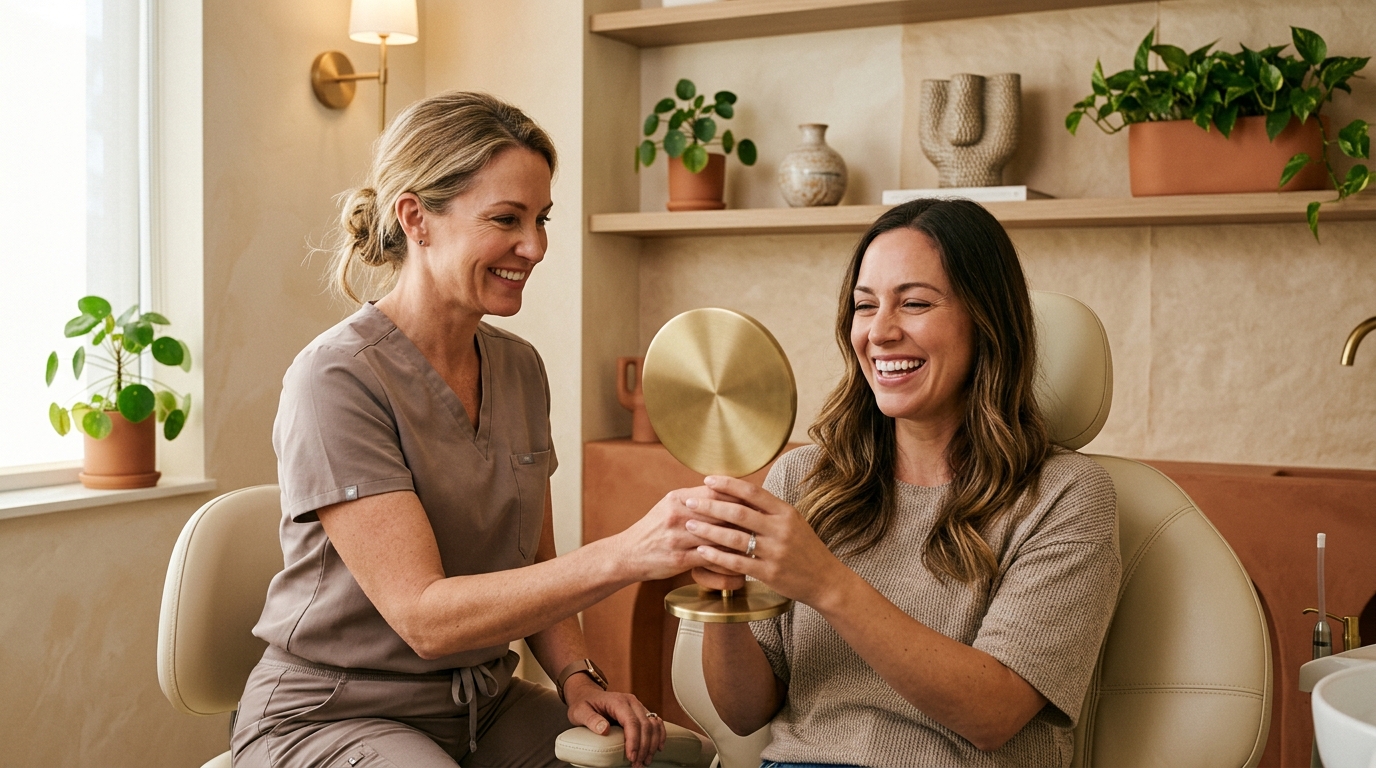
- Mirror, daylight, cameraYou look in a hand mirror, then at the window, then at a photograph of yourself. In that order, because each one tells you something the previous one hid.
What people change once they can see it
The changes people ask for at this stage are remarkably consistent, and almost none of them are about colour. Length comes first: a millimetre of edge either way changes how young or how severe a smile reads, and nobody can judge that from a drawing.
The second most common request is for less symmetry, not more. A perfectly mirrored pair of central incisors looks correct on a bench and slightly uncanny in a face. Once people see the symmetrical version on themselves, they usually ask us to put a little life back in.
About a third of previews get one meaningful adjustment. A small number get two. Almost none go through untouched, which tells you how little any of us can predict from a plan alone.
Why we will not skip it
Occasionally someone asks to go straight to the porcelain, usually because they are certain about what they want or short on time. We say no, politely and consistently, and it is the only step in our process we are inflexible about.
The reason is simple arithmetic. A change at the preview stage costs a conversation and twenty minutes. The same change after the porcelain has been made and bonded costs a full remake, a set of new appointments, and the quiet erosion of trust that comes with anything having to be redone.
It also changes the dynamic of the whole case. When you have already approved the shape in your own mouth, the day we place the veneers stops being a reveal and becomes a confirmation. That is a much better feeling to walk out of the studio with.
Frequently asked questions
Yes, in most cases. We can leave it on for a few days so you can eat carefully, talk at work, and take photographs in your own light. It is the best possible test and we recommend it.
Neither. Nothing is drilled or reduced to build a preview, so no anaesthetic is needed. It sits on top of the teeth you already have.
In shape and length, very closely. In colour and surface polish, not quite, because the temporary material cannot match glazed porcelain for depth. We tell you which parts to judge and which to ignore.
In this demo scenario it is folded into the cosmetic case fee rather than billed on its own. Real pricing would be set out in writing before anything begins.
Written as demonstration content for a fictional studio. Nothing here is dental advice for your own case.