Where the Practice Came From
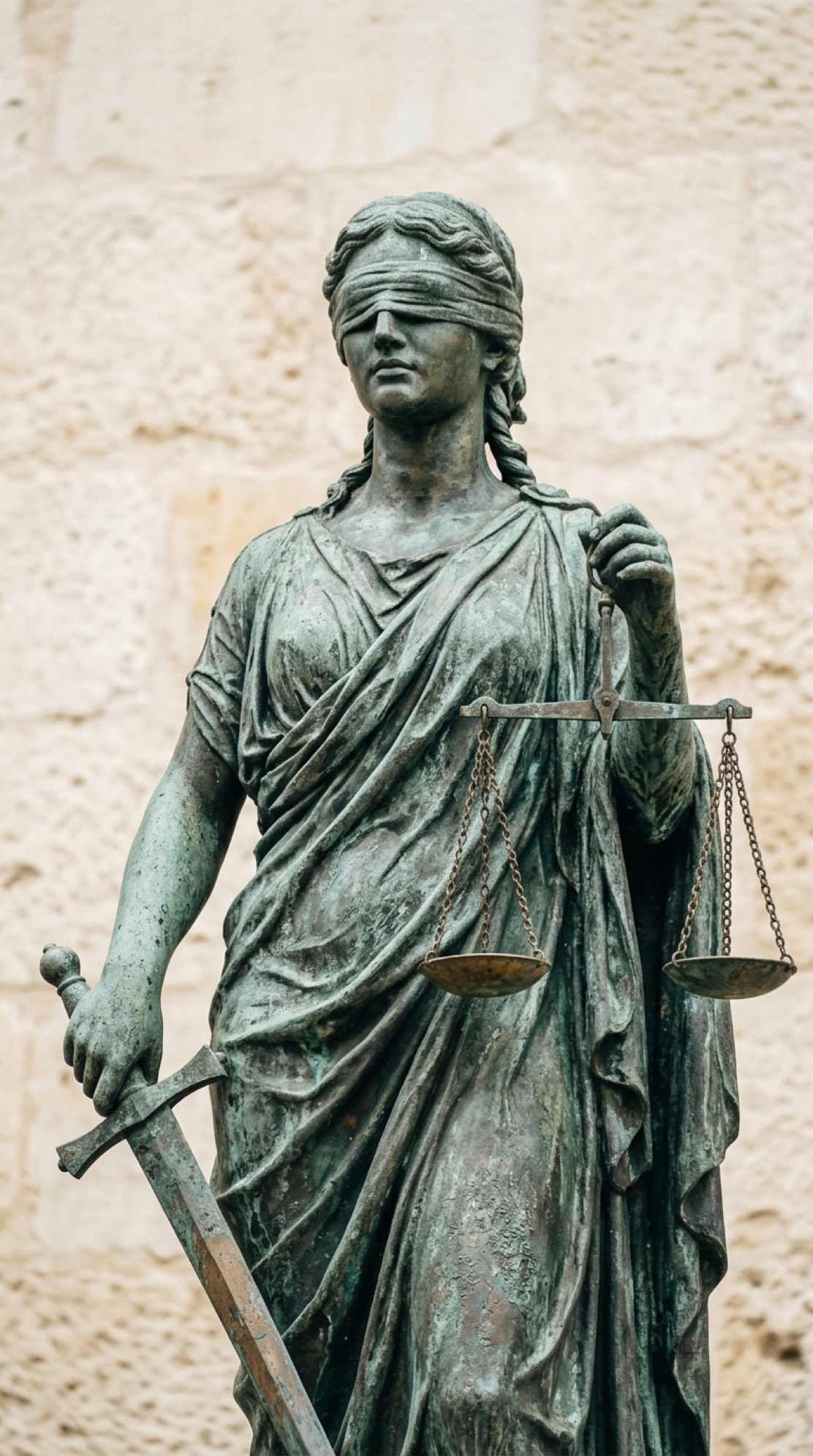
Defense work grew out of a simple argument that took centuries to win: that a person accused of something should have someone standing beside them who knows the rules. Early trials were short, loud and heavily weighted toward whoever brought the accusation. The slow arrival of written procedure, the right to be heard, and the burden resting with the state turned that imbalance into a system with a shape you can learn and use. Each of those steps was won in a courtroom by someone who lost first, which is worth remembering when a process feels slow. The shape it finally took is the one we work inside now, and knowing that shape is most of the job.
What Changed the Work
Two things reshaped the day to day job. First, records. Bodycam footage, phone extractions, lab reports and timestamped digital trails mean a defense now starts with an evidence audit rather than a story. Second, timing. So much of a case is decided in the first weeks, before anyone sees a courtroom, that the useful work is front loaded into charging decisions, bail arguments and preservation letters. A third has crept in behind them: volume. A file that arrives organised and early gets read closely; one that arrives late gets processed.
How We Run a Matter
We read everything before we advise anything. That means the charging documents, the reports, the video, and whatever the client can tell us about the days around the incident. From there we write down the version of events we can support, the version the state will argue, and the gap between them. The gap is the case. Clients get that in writing, in plain sentences, with the deadlines marked. The gap between them is the case.
What You Can Expect
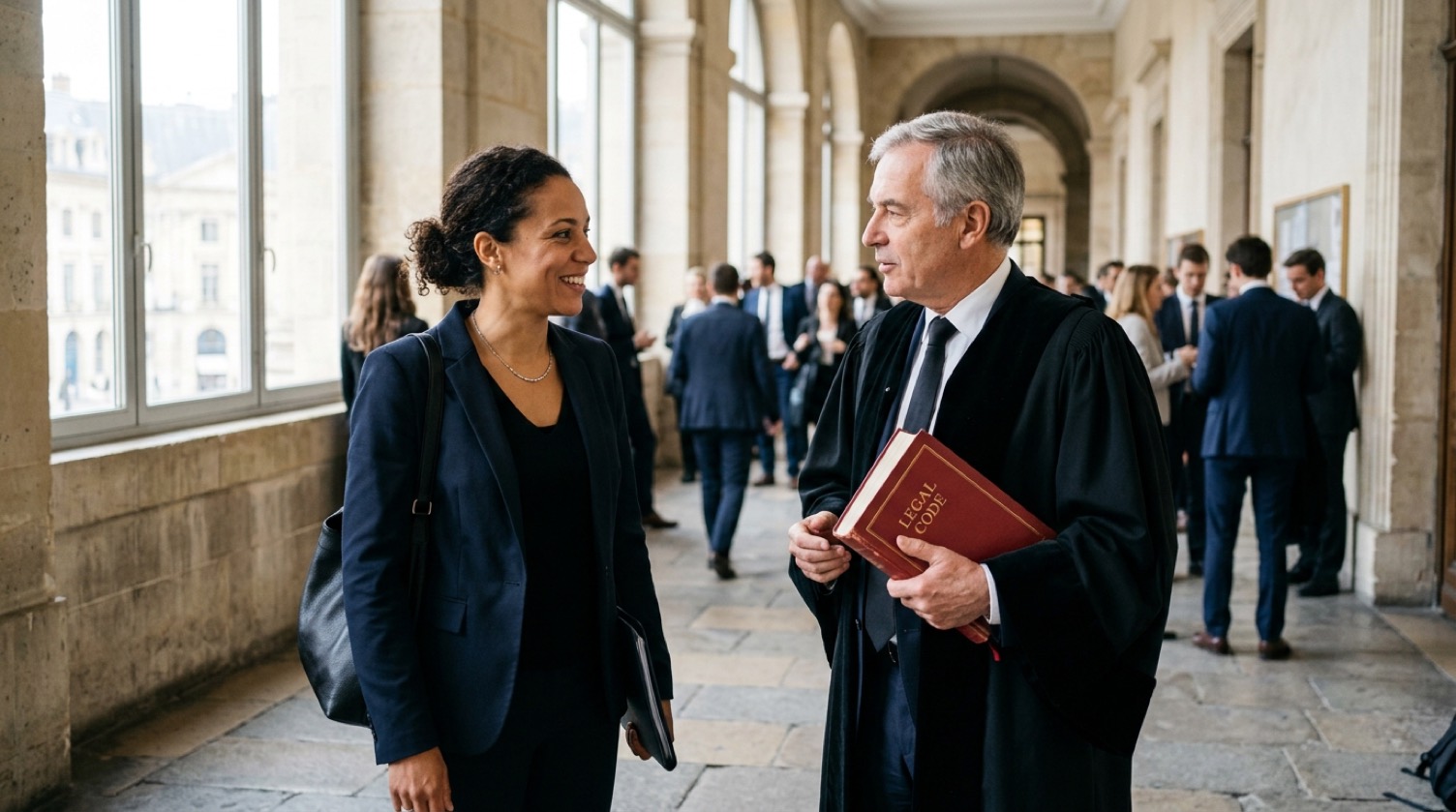
You will know who is handling your matter, what happens at the next date, and what it costs before the work starts. We do not promise outcomes, and we say so out loud in the first meeting. What we do promise is preparation, returned calls, and a defense built on the record rather than on hope. If we are not the right firm for the matter we will say that too.