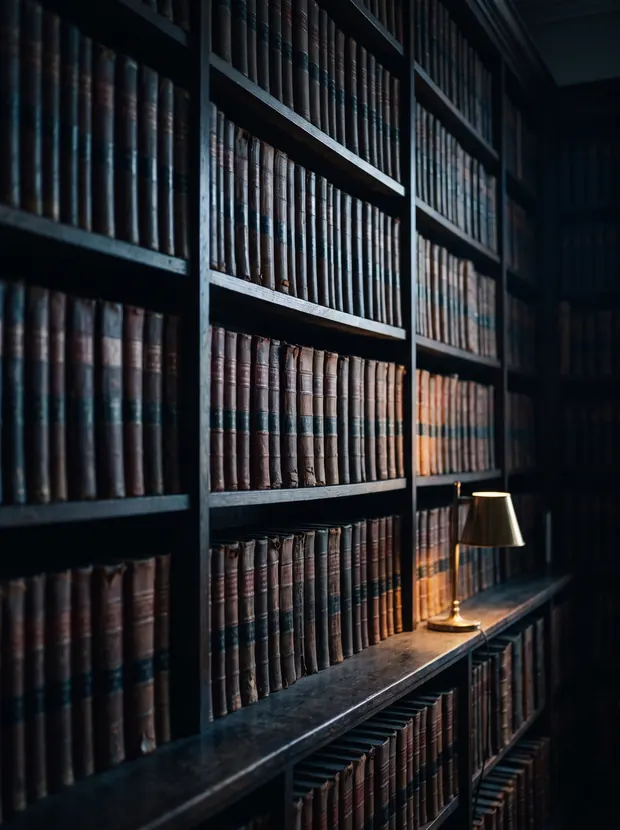
Documents beat speeches, most of the time
Most business cases are decided by what was written down at the time. Read your own documents before you commit to a legal theory.
Most business cases are decided by what was written down at the time. Read your own documents before you commit to a legal theory.
Business disputes are usually decided by records written at the time: contracts, emails, board minutes and invoices. Memories fade and shift; documents stay put.
That is why we ask clients to collect and read their own files before committing to a legal theory. The case you can prove is often narrower than the one you feel, and sometimes stronger.
Early review also protects you. Discovering a damaging email in month two is manageable. Discovering it at a deposition in month fourteen is not.
How we review a file
- PreserveA litigation hold on the day the dispute becomes likely.
- CollectEmail, chat, shared drives and personal devices where relevant.
- ReadA partner reads the key documents personally before the theory is set.
What this changes
Clients who see their own documents early make better decisions about settlement, because they are negotiating from facts rather than hopes.
It also shortens trials. Judges and juries follow a case built on paper far more easily than one built on competing recollections.
Share of our business cases that resolve before a trial verdict.
Your strongest case is usually narrower than the story you arrive with, and it is built from the records you hold.
Questions clients ask
What if the documents hurt us?
Better to know now. Bad documents shape strategy; they rarely end a case on their own.
Do we need an e-discovery vendor?
For larger matters, usually yes. We will tell you when the volume justifies one.
Treat this note as background only. Your own facts decide the right answer, and a short call is the way to test them.