A plain guide to choosing sustainable wood floors
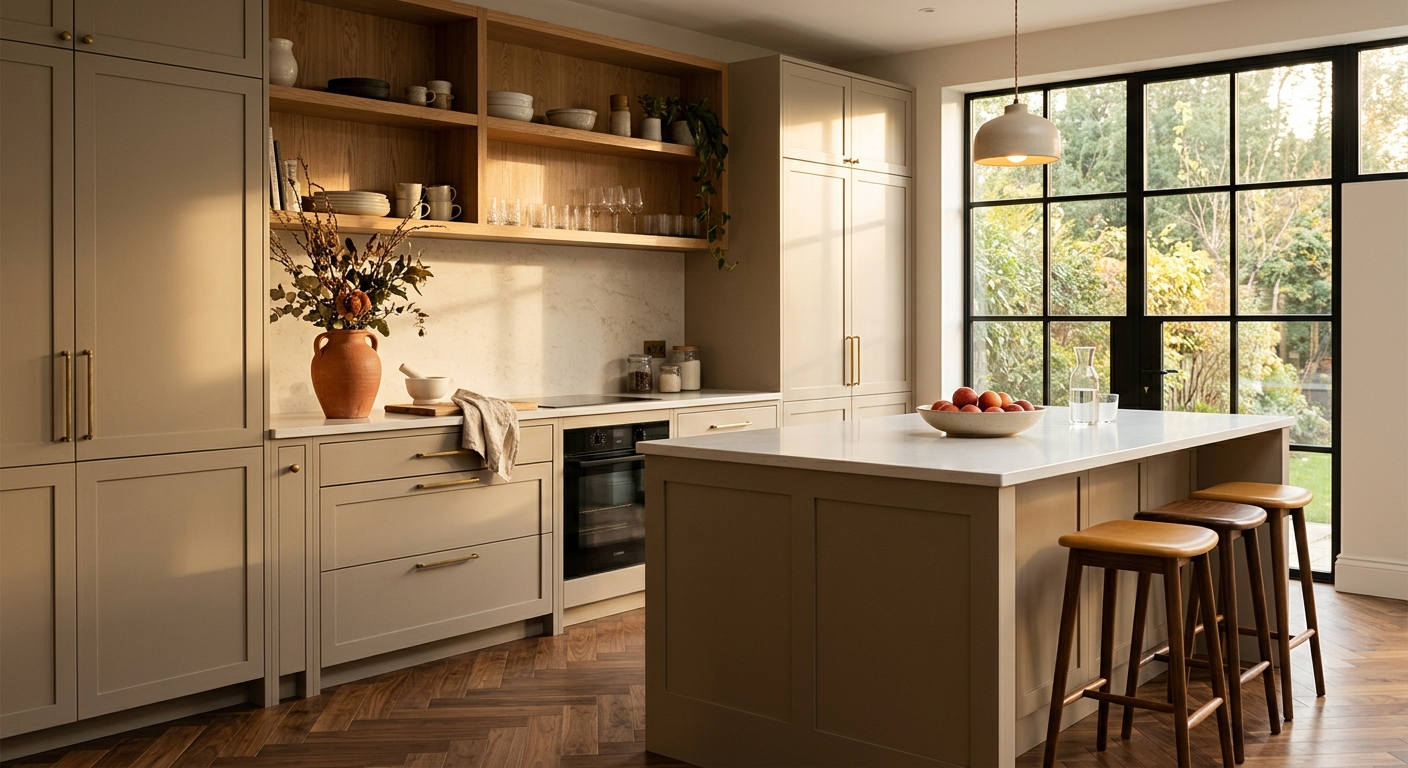
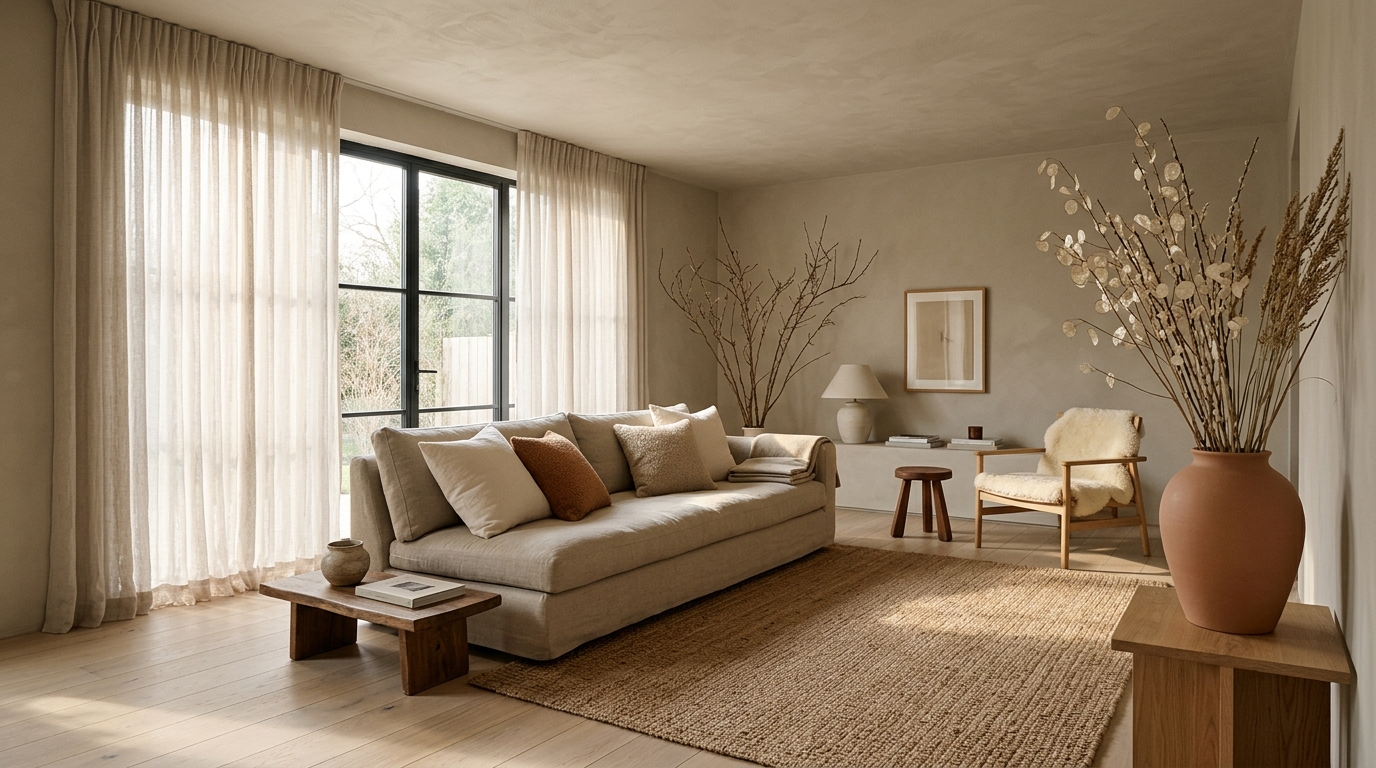
A good floor is a ten-year decision, and the most sustainable one is usually the floor you only lay once. Before we talk species or finish, we talk about how a room is really used, because a floor chosen to match the light and the traffic is a floor you will not want to replace.
Sustainability in flooring is less about a single label and more about a chain of small, honest choices: where the wood comes from, how it is milled, how it is finished, and how long it lasts once it is down. Get those right and the floor earns its footprint back many times over.
Start with the species and the source
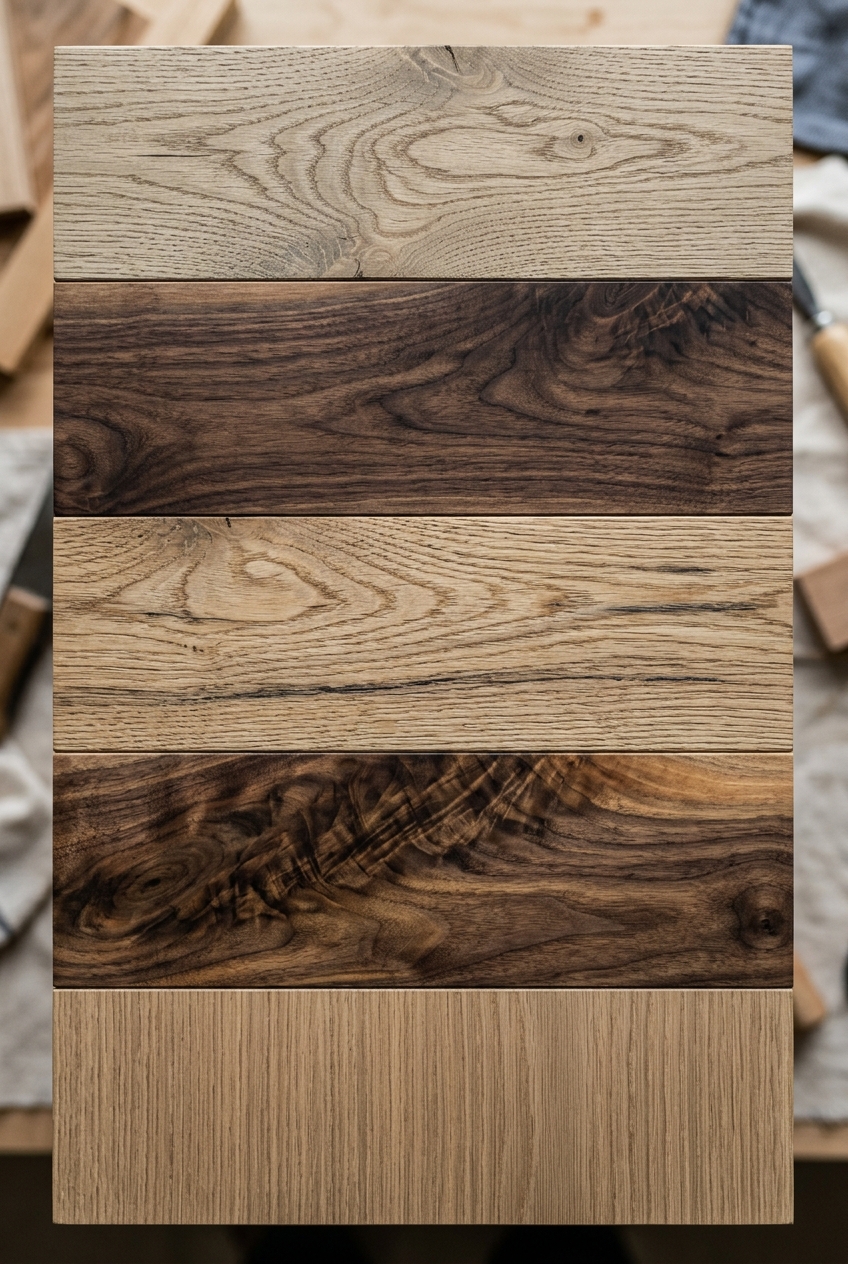
Solid and engineered oak remain our workhorses because they are widely grown, hard-wearing, and easy to refinish. Engineered boards use a thinner wear layer over a stable core, which means less slow-growing hardwood per square metre without giving up the look or the sanding life you want.
Ask where the timber is grown and whether it carries a recognised chain-of-custody certification. A responsibly managed forest is not a marketing line; it is the difference between a floor that quietly gives back and one that quietly takes.
The greenest floor is rarely the newest material. It is the one you plan carefully, lay well, and keep for twenty years instead of ten.
Maria Okafor, Oakform studio
Let the finish do the long work
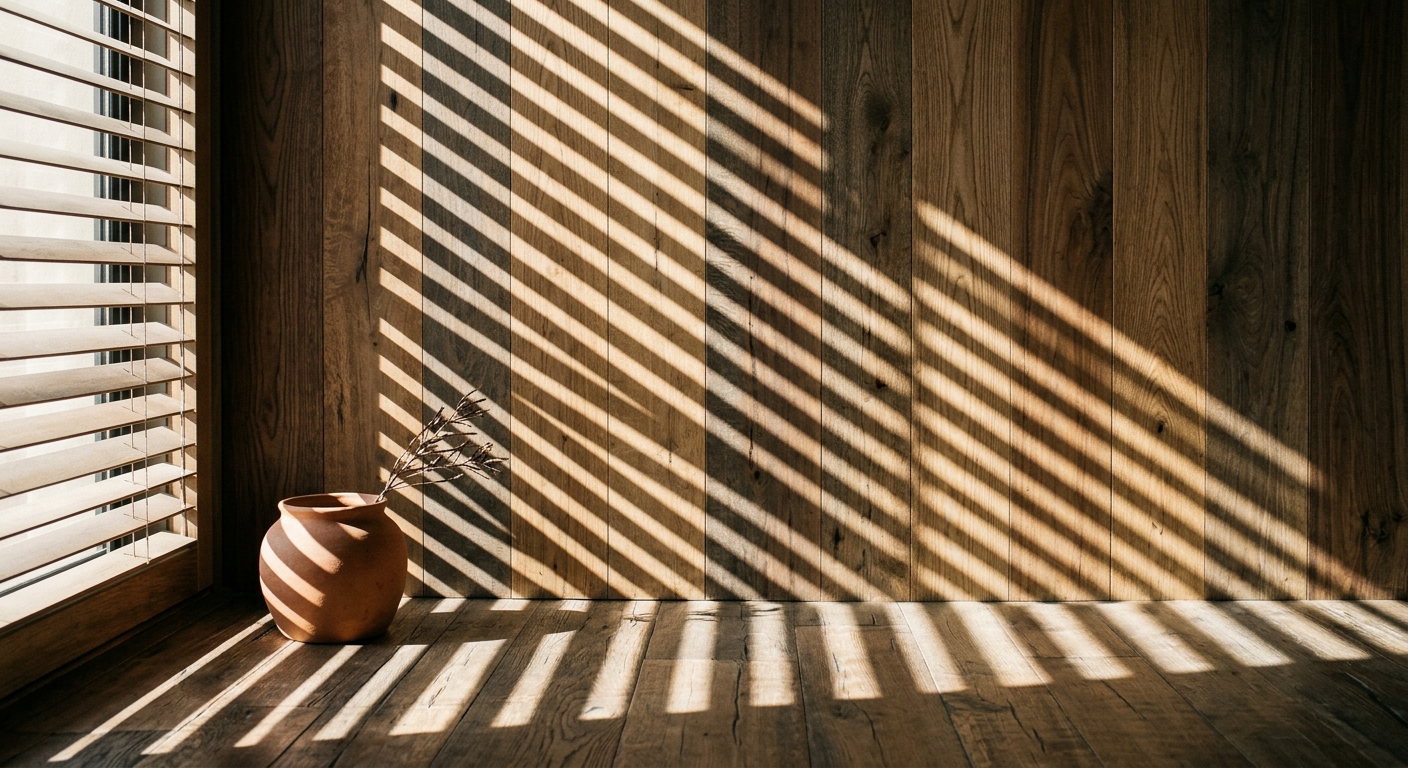
Finish is where a floor is won or lost. Hard-wax oils and low-VOC systems let you spot-repair a scuff rather than sanding a whole room, which stretches the years between big interventions. We match the sheen to your light so the grain reads right, then leave you a plan for the small, seasonal upkeep that keeps it there.
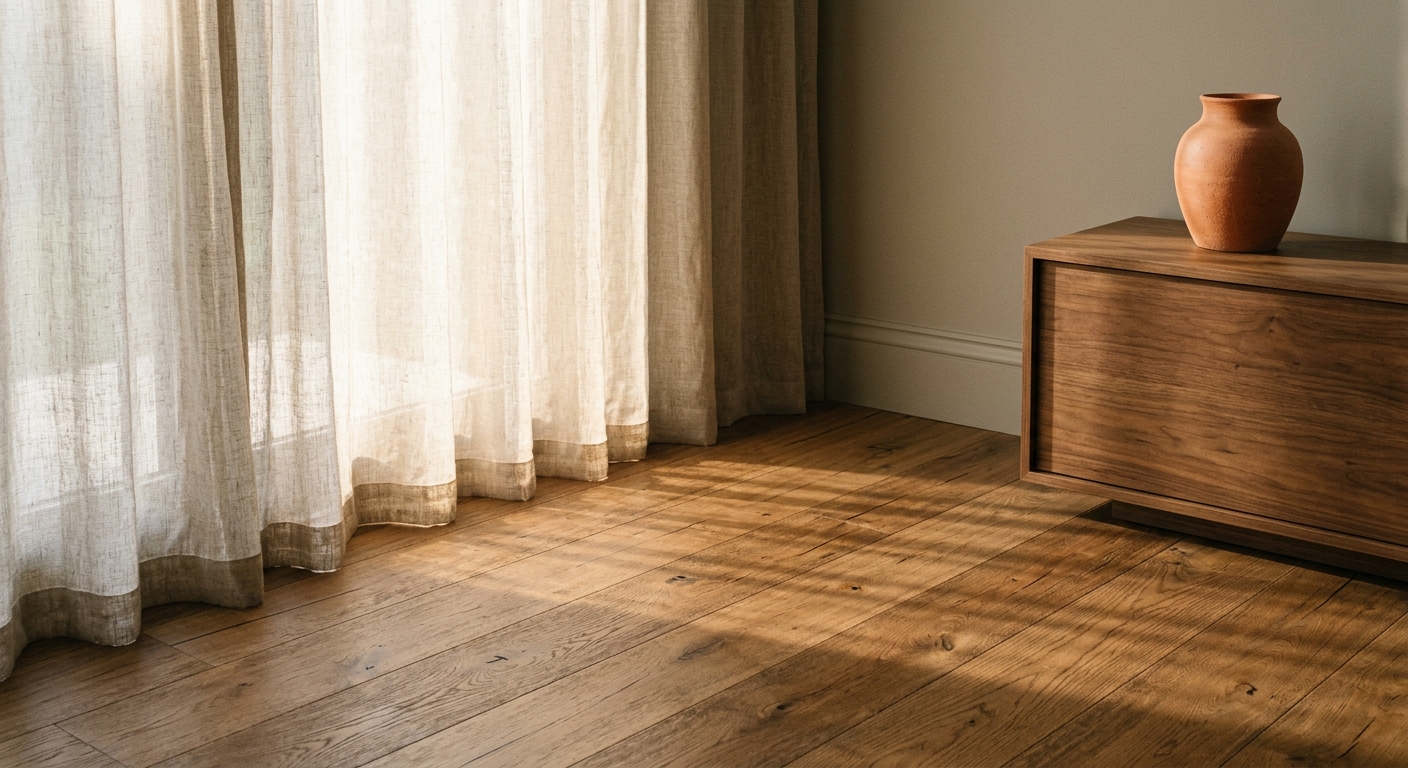
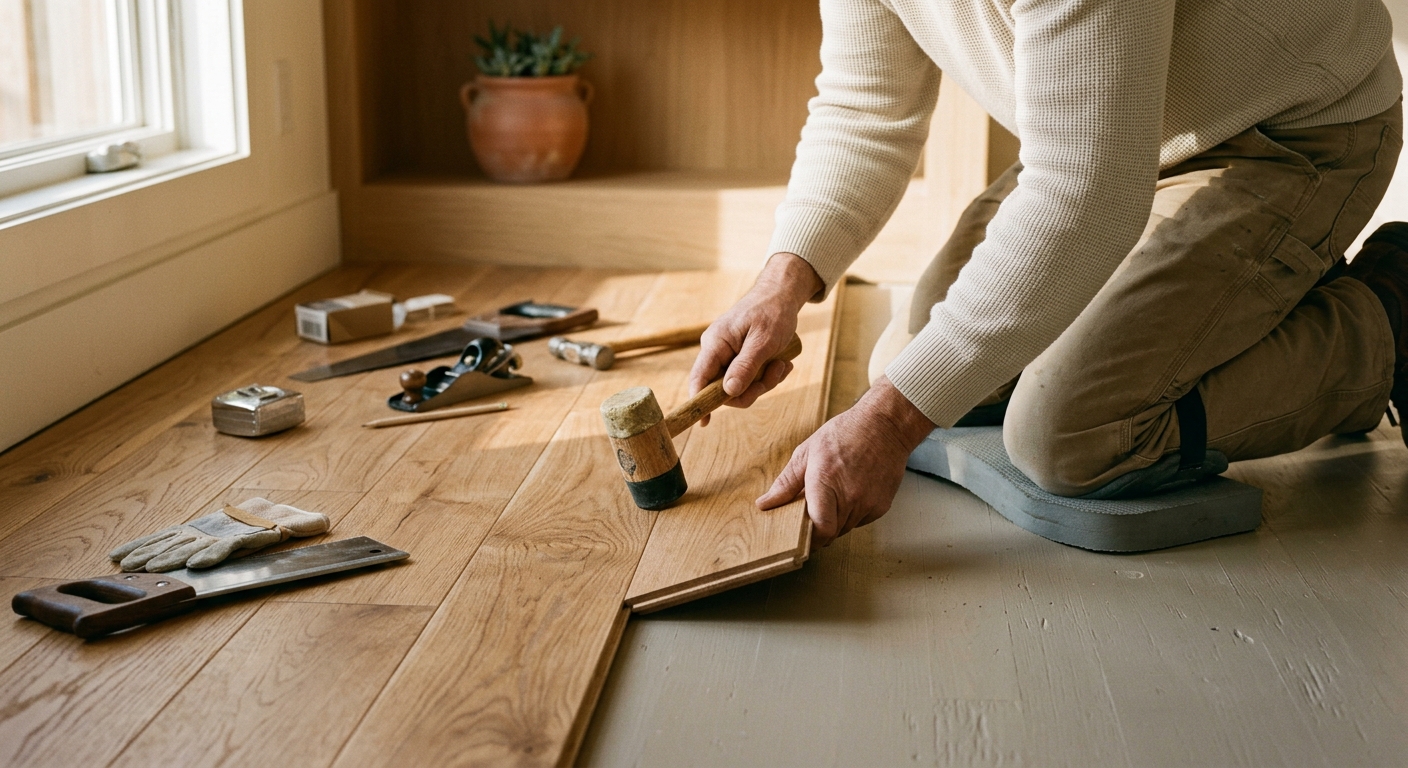
None of this needs to be complicated. Choose a durable species from a source you trust, lay it once and lay it well, finish it so it can be repaired rather than replaced, and give it a little care each season. That is the whole guide, and it is the floor we would lay in our own homes.
This is exactly the framing I needed before our renovation. The point about matching finish to the room's light rather than a swatch card is one nobody mentioned to us until now.
ReplyWe refinished rather than replaced on your advice and the character of the old boards is still there. Worth every bit of the extra planning time.
Reply