Buying an existing business: six issues to clear before closing
Before closing, confirm what you are actually buying: the contracts, the people, the liabilities and the licenses that make the business run.
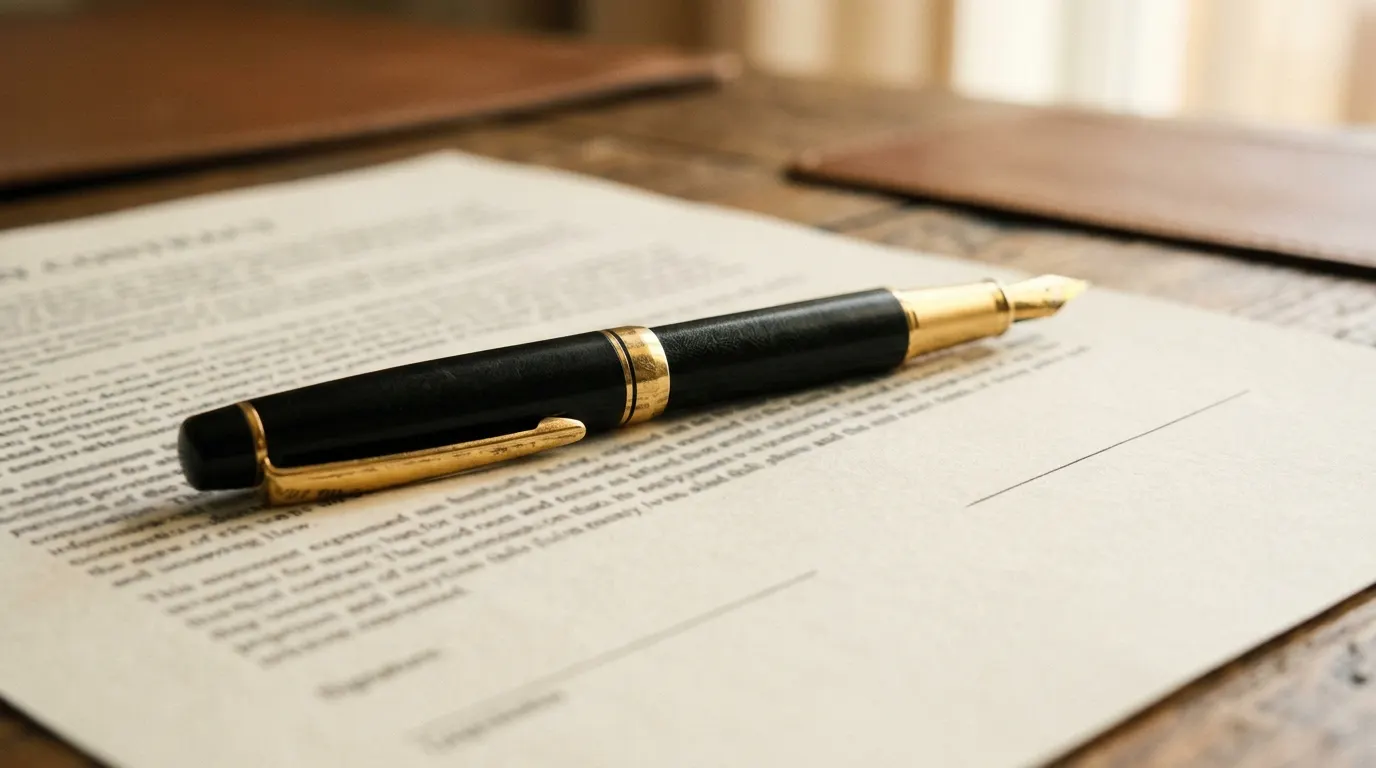
Buy what you think you are buying
A purchase agreement can only protect what diligence uncovers. The goal is to find the surprises before signing, when they can still change the price or the terms.
The six issues
- Deal structure: asset purchase or equity purchase, and why.
- Contracts: which customer and supplier agreements need consent to assign.
- People: who stays, on what terms, and any unpaid obligations.
- Liabilities: taxes, pending claims and warranty exposure.
- Licenses: permits that cannot simply change hands.
- Seller support: transition help, non-compete and training.

| Tool | What it protects |
|---|---|
| Representations | Facts the seller confirms in writing |
| Indemnity | Who pays if those facts prove wrong |
| Escrow or holdback | Money set aside to cover claims |
"Every diligence finding should end up in the price, the terms or the escrow."
Plan the first ninety days
Closing is the start, not the finish. Line up customer notices, bank accounts, insurance and employee paperwork before the day of closing so the business keeps running the morning after.
Common questions
Buyers often prefer asset purchases to limit inherited liabilities, while sellers may prefer stock sales for tax reasons. The right answer depends on the deal.
Often, yes, when goodwill is part of the price. It should be reasonable in length and territory to be enforceable.
For a small to mid-sized business, four to eight weeks is common, depending on how organized the seller records are.

Julian Pruitt
Julian advises owners across the Charlotte region on contracts, formations and deals. This article is general information, not legal advice for your situation.
About Julian