Brand licensing agreement
A growing specialty food brand wanted national shelf space without building a second production facility.
Overview
The owner had built strong regional recognition, but the brand name was only partly registered and several recipes had been developed with an outside contractor. A licensing partner would expect clean ownership before signing.
We filed the missing trademark applications, secured written assignments from the recipe contractor, and then negotiated the license with the co-packer.
Outcome
The final agreement included a five-year term with minimum annual royalties, detailed quality standards, audit rights, and the right to end the license if standards slipped.
Registrations issued during the negotiation, which strengthened the owner’s position on exclusivity and territory.
Illustrative example, past results do not predict future outcomes.
Takeaways
The brand reached national distribution with the owner keeping full control of the name and recipes. The same documents now support future licensing talks in other product lines.
Planning a similar move?
Every matter is different. A first conversation shows which parts of this example apply to your situation.

Founder buyout restructuring
Three co-founders renegotiated ownership so one could exit on a five-year payout without disrupting the business.
Read more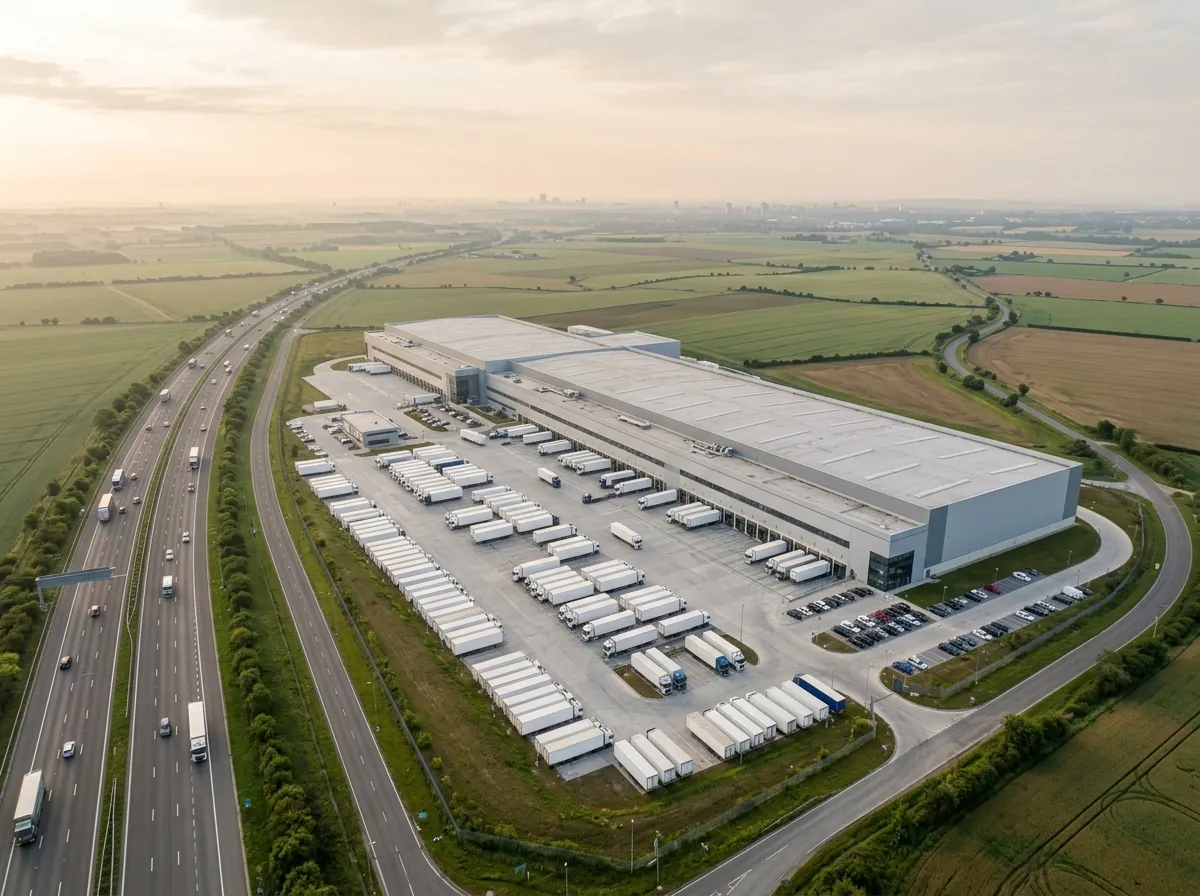
Regional distributor purchase
A family-owned supplier acquired a competing distributor, adding two warehouses and a second service territory.
Read more