Unsafe Product
Injury Lawyer.
Do not throw the product away. In a product case the item itself, its packaging and the record of where it came from are the case, and unlike a police report or a medical chart they cannot be obtained again later from anybody.
What Should I Do With The Product Itself?
Six things to put in one box and leave alone. Every one of them is easy today and impossible in a month.
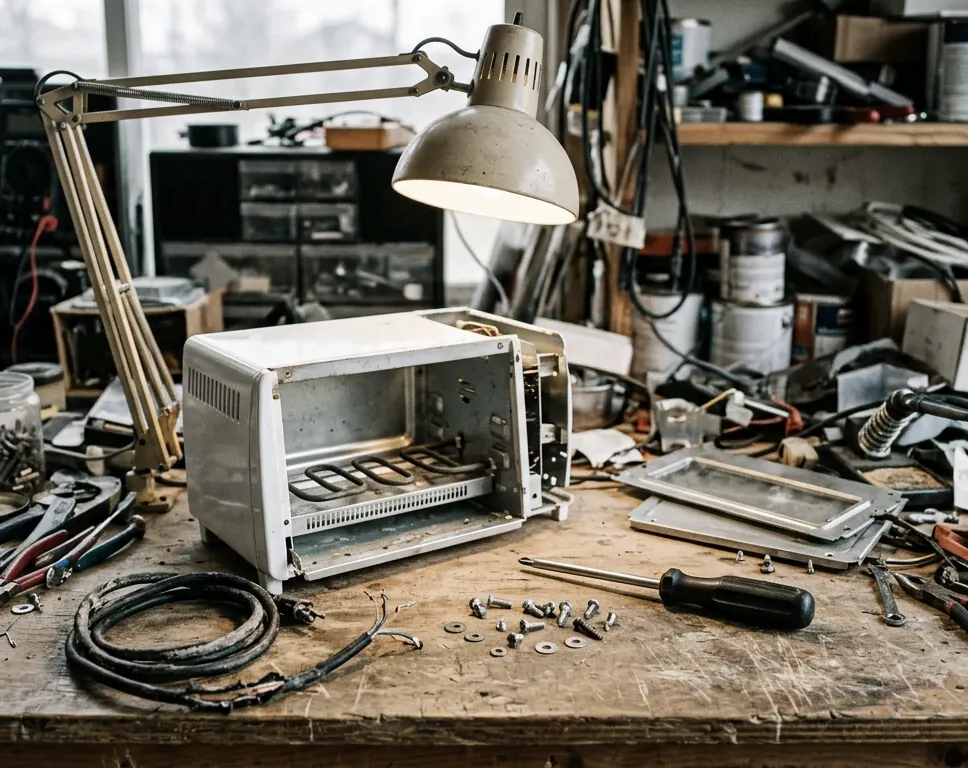
- The product, exactly as it was when it failed: unrepaired, unwashed, not taken apart
- Every piece that came off it, including the ones that look like rubbish
- The box, the manual, the warning card and the packaging, together with the item
- The receipt, the order confirmation email, the card statement line or the delivery note
- Photographs of the scene before anybody clears it, and of the injury the day it happened
- The serial number, the model number and the batch or lot code, photographed rather than copied out
Who Can Be Responsible Besides The Manufacturer?
More parties than people expect, and the one you actually dealt with is usually the smallest of them.
The office's own list of who can be a defendant in a product case: the manufacturer of component parts, the assembling manufacturer, the wholesaler, and the retail store owner. A thing that arrives in a box has usually passed through several companies, and each of them touched a different part of the question. The component maker knows what the part was rated for. The assembler knows how it was put together and what was changed to save money. The wholesaler and the retailer know what warnings and instructions went out with it and what came back from other buyers.
That is why the serial number and the batch code matter more than the brand on the front. They are what ties one item in your kitchen to a production run, to a supplier, and to whatever else has been reported about it.
It is also why a product file moves differently from a crash file. There is no police report and there is no adjuster waiting to open a claim. There is an object, a paper trail, and a set of companies who have never heard of you, and the work of the first month is turning the object into a record.
Where Does The Answer Actually Sit?
Four places, and only the first of them is in your house. The rest have to be asked for, which is the part that takes time.
The item and its packaging
In your house right nowThe fracture surface, the scorch pattern, the missing fastener, the warning that was or was not on the box. This is the only piece of evidence you control.
The seller's records
A shop, a marketplace, a contractorWhen it was sold, which batch it came from, what it was sold as, and whether anything had already been returned or reported.
The maker and the assembler
And whoever made the part that failedSpecifications, testing, change records, supplier correspondence and complaint history. None of it is public and all of it is asked for formally.
If it failed on someone else's premises
A shop, a rental, a workplace, a gymWho controlled the place, what they knew about the equipment and what the maintenance record says is a premises question with its own evidence and its own first week.
If the treatment afterwards went wrong
The burn, the repair, the infectionAn injury made worse by the care that followed raises a separate question with its own rule, its own certificate and its own deadline.
What If The Product Was Recalled?
A recall is not the caseA recall is useful and it is not the answer. It tells you that a problem was identified and it does not establish that this problem caused this injury to this person, which is what a claim has to show. Keep the recall notice with the item, register the claim with the company if they ask you to, and do not send the product back to them until somebody has told you what that does to the evidence.
How Long Do I Have?
The limitation deadlines are the ordinary ones. The practical deadline is whenever the item gets thrown out.
Two years
Minority is not counted
Six months notice
Gone for good
- Statute of limitationsSets the time to start a lawsuit for an injury or a death caused by someone else's negligence, often two years, usually counted from the injury.
- Tolling for minorsIn many states the clock for a child's own claim does not start until the child becomes an adult, although a parent's claim can run sooner.
- Notice of claim against a public bodyA claim against a town, a county or a public agency can require a written statement filed within months, naming who was hurt and the date, time and place.
- Nothing elseA typical state's rules on what makes a product defective come from decided cases rather than from a statute. This page therefore describes what a file turns on in practice and states no doctrine, which is the honest version rather than the compressed one.
Questions About Product Cases.
The firm's own guidance lists the losses people are carrying by the time they call: medical expenses, hospitalisation and treatment, lost wages, property loss, the cost of disability and loss of earning capacity. These are the questions that come first.
Not before you have spoken to somebody. A refund is worth a fraction of what the item is worth as evidence, and once it has gone back it is generally gone. Take the photographs first and ask the question before you hand it over.
Still worth asking. The chain behind the item does not change because you were the second owner, though who you can practically reach in it might. Keep the listing, the messages and the payment record as well as the item.
That is precisely the question a product file is built around, and it is decided on case law in your state rather than on a section you can look up. This page will not compress it into a sentence. Bring the item and the paperwork and it can be answered properly.
It can, because a workplace injury may involve a separate system as well as a claim against whoever made the tool. Say on the first call that you were at work, because it changes which questions get asked.
In most states an injury lawsuit has to be started within a set time, often two years, and where the injured person is an unemancipated minor the period of minority is not counted. Neither of those protects the item itself, which is why the first instruction on this page is about a box.