What To Do After A Crash On Harlow Boulevard
Wide lanes, local traffic beside express traffic, and a lot of people who have no idea what the rules ask of them in the next five days. Here is the order to do things in.
Get clear of the lanes, then get checked
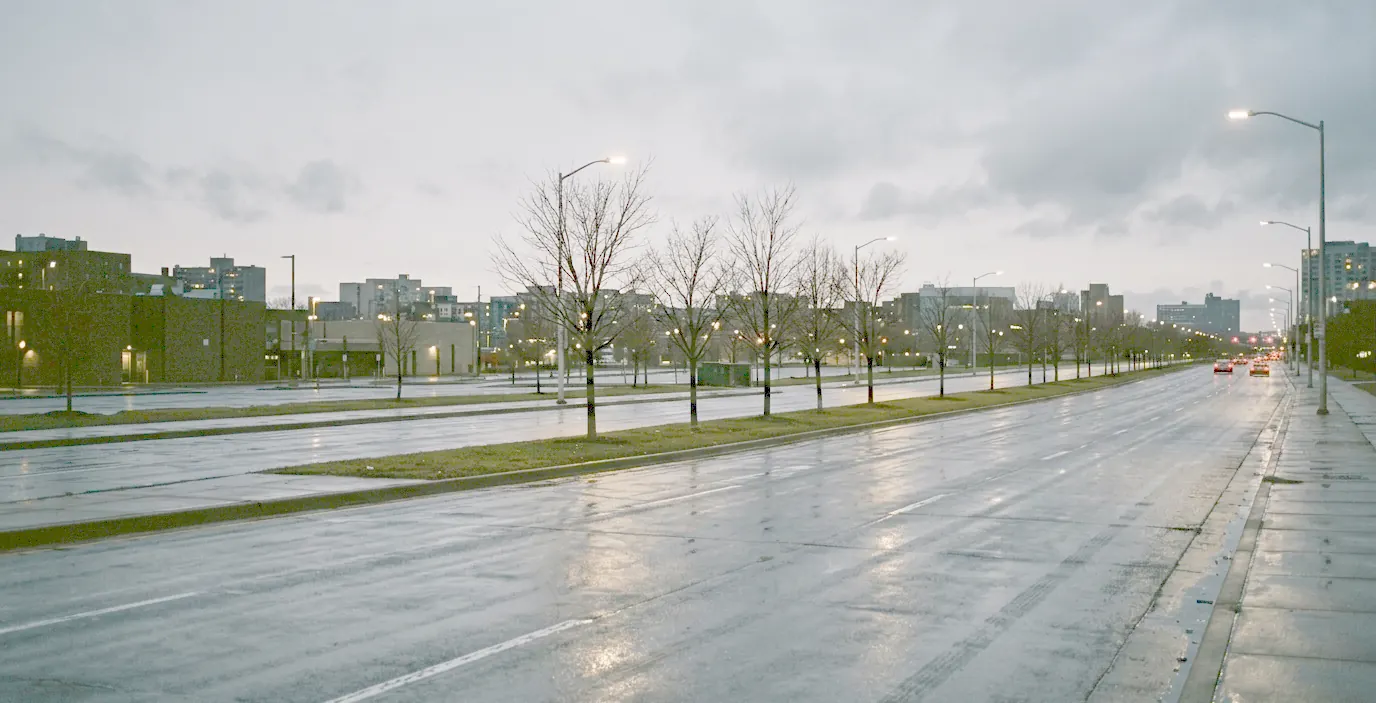
If the vehicles can be moved and it is safe to move them, get out of live traffic first. The boulevard runs local lanes beside express lanes, and a stopped car in the wrong one is a second crash waiting to happen. Then get looked at by a doctor even if nothing hurts yet. Adrenaline hides a lot in the first hour, and a gap between the crash and the first medical visit is one of the first things an insurer will point at later.
Many states require the call
State law tells the driver of a vehicle in a crash to give notice immediately, by the quickest means of communication, to the nearest office of a duly authorized police department, whenever the crash involves injury to or death of any person, or damage to a vehicle bad enough that it has to be towed. If the driver is physically incapable of making that call and another occupant can, the occupant has to make it. Every crash reported under that section is investigated by a police officer, who gives each driver a signed statement that it was reported.
If no officer investigates, you have five days
When a crash that should have been investigated is not investigated by an officer, the driver has to forward a written report to the department within five days of the crash. If the driver is physically unable to do it and does not own the vehicle, the owner files it instead, also within five days. People skip this step constantly because they assume the insurance claim covers it. It does not.
Collect the things that will be gone tomorrow
- Photographs of both vehicles, the lane you were in and the road surface
- The other driver's name, address, plate and insurance details
- Names and numbers of anyone who stopped
- The weather and the light at the time
- Anything about the road itself: potholes, construction, a signal that was dark
Before you give a recorded statement
You will hear from your own insurer and from the other driver's insurer within days, and one of them will ask for a recorded statement or a signed medical authorization. Nothing requires you to answer on the spot. Get advice first. Ours is free, it can happen entirely by phone, and if you cannot travel an attorney comes to you.
- Reporting a crash to policeA crash with an injury or a death usually has to be reported to the police straight away.
- Who makes the reportThe duty to report usually falls on the drivers involved, or on someone else if they cannot.
- Where police do not attendWhere police do not come to the scene, the drivers often have to make the report themselves.
- Written crash reportsSome states require a written report within days of a crash where police did not investigate.
- Using the reportThe official crash report usually cannot be used as evidence at trial, although it guides the investigation.