Preparing custodians before a first deposition

A well prepared witness is not one who has memorised the documents. It is one who understands the process, listens to the whole question, answers only that question and is comfortable saying they do not know. Preparation should spend most of its time there.
Why content-heavy preparation backfires
Witnesses who have been walked through every document tend to answer from the preparation rather than from memory. They volunteer context, reach for documents they were shown and fill silences. Each of those habits lengthens the deposition and widens it.
A session plan that works
- 01
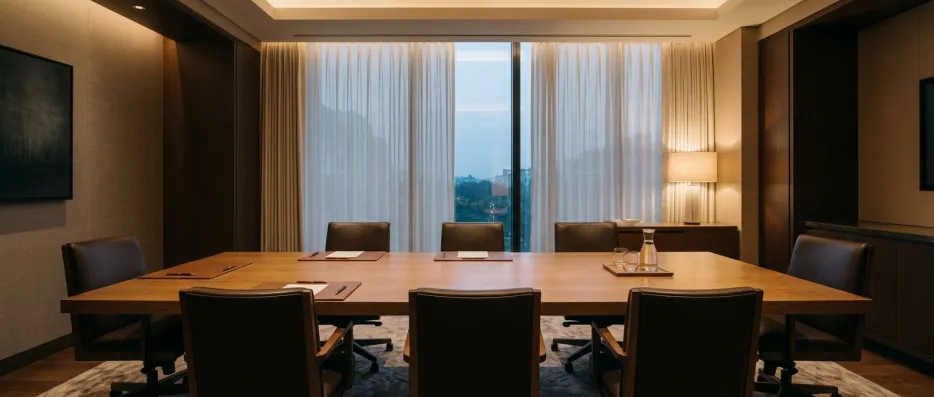
Walk the room
Explain who will be present, how the record is kept and how breaks work.
- 02
Practise the pause
Short mock questions, answered only after a deliberate two-second pause.
- 03
Review the key documents
A small set the witness will certainly be asked about, read together without commentary.
- 04
Close on wellbeing
Confirm logistics, rest and who to call the night before.

The witness's job is to tell the truth clearly. Our job is to make the process familiar enough that they can.
Serrano Litigation, partners' note
After the deposition
Debrief within a day while memory is fresh, and review the transcript for corrections within the permitted window. Keep the debrief short and factual; the witness has had a long day.
Common questions
Can a lawyer tell the witness what to say?
No. Counsel can explain the process and review documents, but the testimony must be the witness's own recollection.
How long should preparation take?
For most fact witnesses, one or two sessions of a few hours each is enough. More is not always better.
This article is general information, not legal advice, and reading it does not create an attorney-client relationship. Every matter turns on its own facts.