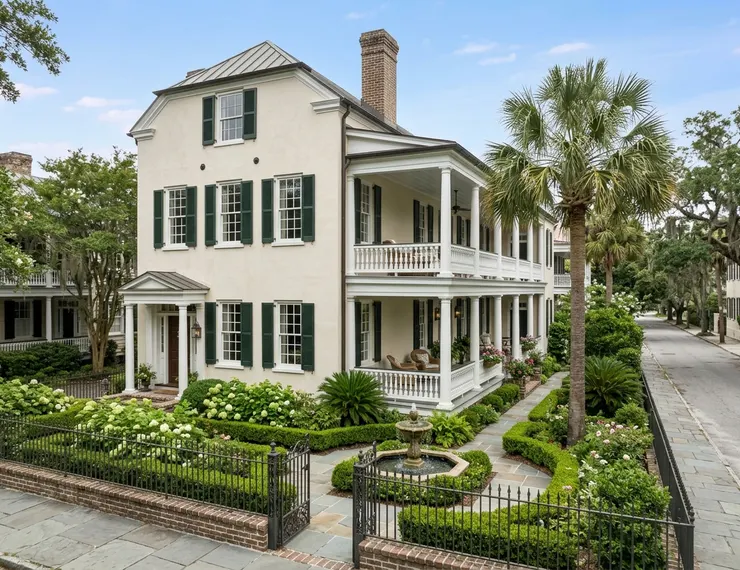
$4,200,000
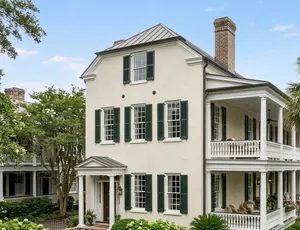
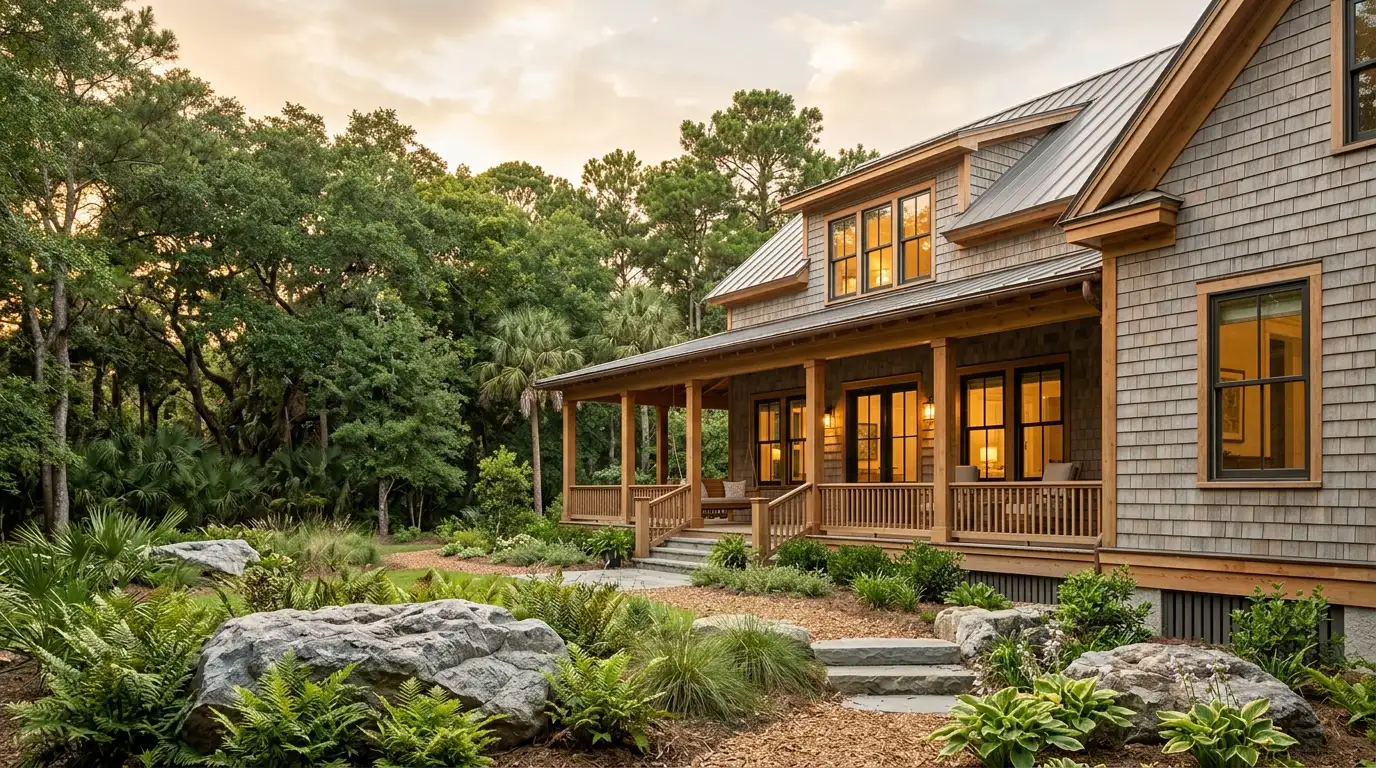
Single House with Double Piazzas
South of Broad, Charleston, SC
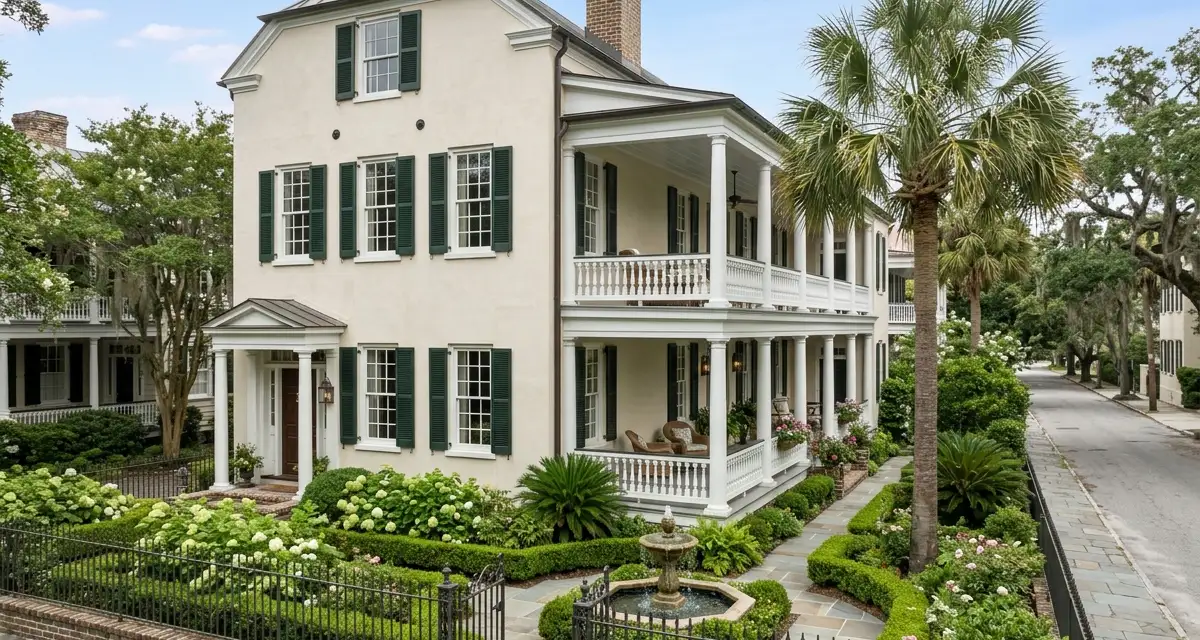
Historic district homes and waterfront property each come with their own rules, inspections and insurance questions. Our specialists handle the review-board paperwork, dock permits and flood data so the beauty of the place stays the focus.
Specialty homes



Rated 4.8 by 2,400+ Clients
Illustrative rating for this demo.
A single house south of Broad and a creekside home with a deepwater dock have more in common than it seems. Both are rare, both carry paperwork most transactions never see, and both are easy to misprice when there are only a handful of comparable sales. Our specialists spend most of their working weeks on homes like these, so the extra steps are routine rather than a surprise.
For sellers, that means gathering the record before the home goes to market: past review board approvals, permits, surveys, dock permits and the elevation certificate. Buyers and their agents ask for these documents in the first few days, and having them ready keeps the conversation on the house rather than on what is missing.
For buyers, it means looking at the parts of the property a listing photo cannot show. We bring in inspectors who know heart pine framing, plaster, pilings and boat lifts, and we explain what each finding means for the budget, the insurance and any work you hope to do later.
We also think about the years after closing. An older house rewards steady care: repointing brick, painting wood before it fails, keeping gutters clear and watching for moisture under the floors. A waterfront home needs its own calendar for dock maintenance, lift service and storm preparation. Before you buy, we talk through what that care usually costs, so the purchase price and the ownership budget make sense together.
At a glance
Historic homes in the city districts need design review for most exterior changes, and buyers want to see the record of past approvals. Waterfront homes add dock permits, bulkhead condition, flood zones and elevation certificates to the usual checklist.
We gather those documents before listing or before an offer, so neither side is surprised during due diligence.
When work is planned after closing, we can introduce contractors, architects and marine builders who are used to review boards and permit timelines, so the project plan is realistic from the first conversation.
Sellers receive a short written summary of the records we gathered, so they can see what buyers will review and address any gaps before the home is listed.
Homes to explore
A sample of current listings that fit this service, each toured by our team before it goes online.
$4,200,000
South of Broad, Charleston, SC
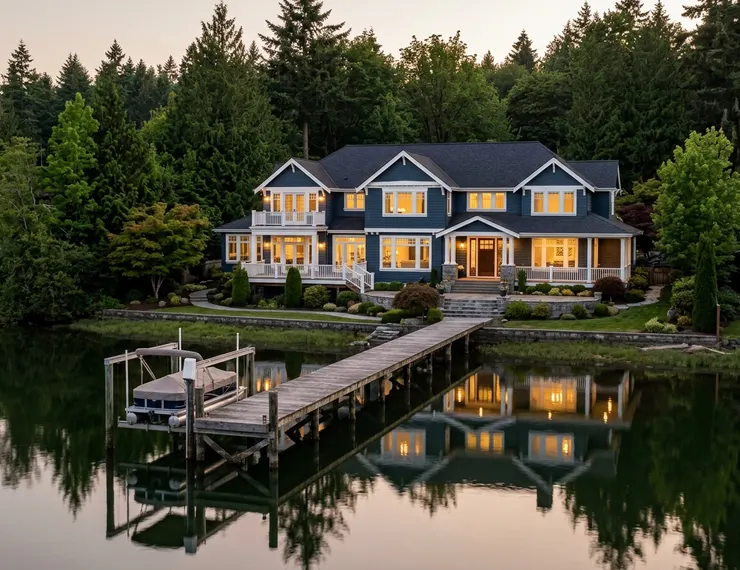
$1,875,000
James Island, SC
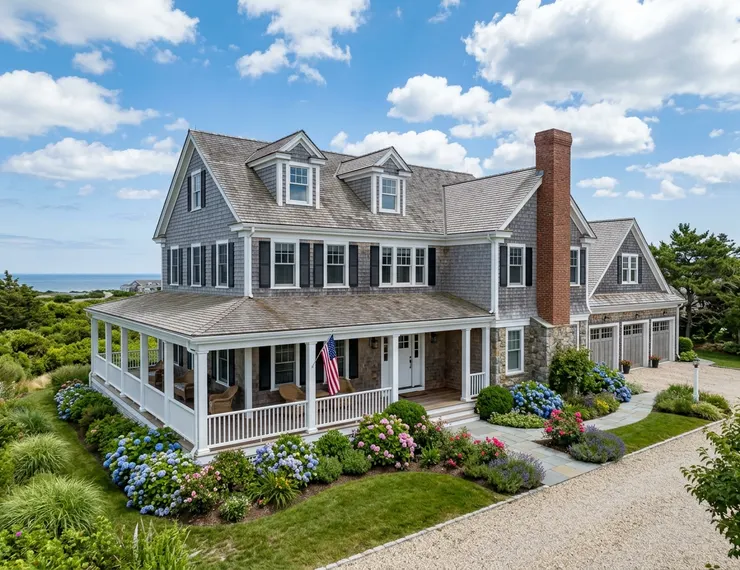
$3,150,000
Sullivan's Island, SC
Illustrative demo listings. Not an offer.
What we look for
Specialty homes reward people who ask the right questions in the right order. Here is how we approach the four that matter most.
01
In the city historic districts, most exterior changes need design review. That includes windows, doors, roofing, porches and many fences. None of it is difficult once you know the order of operations, but it takes time. If you plan exterior work, we suggest a preliminary opinion from an architect or contractor during due diligence so you know the likely path before you commit.
02
Waterfront property brings a second set of records. A dock is only as useful as its permit and its pilings, and a bulkhead or a marsh edge can affect where you can build. We request the dock history, recommend a marine inspection and check the survey for the critical line so the boundaries are clear.
03
Elevation matters more than the flood zone alone. A raised home in a high-risk zone can cost less to insure than a slab home farther inland, and the elevation certificate is the document that shows the difference. We ask for it early, and we suggest an insurance quote before any offer is written.
04
Pricing these homes takes patience. With fewer sales to compare, we explain every adjustment we make for age, condition, lot, water depth and restoration work. Sellers see the reasoning behind the range, buyers see why a number makes sense, and negotiations tend to stay calm.
If you are weighing a specialty home, start with a conversation rather than a showing. We can pull the records for a specific address, explain what they mean and tell you which questions to raise before you commit any money to inspections or deposits.
Why specialists matter
A rehabilitated single house or a dock on a deepwater creek is a different transaction from a newer subdivision home. We have done hundreds of both.
Past approvals, dock permits and elevation certificates are pulled before we market the home.
Wood, structural and marine inspectors who know older and waterfront homes.
Fewer comparable sales means more careful pricing work, and we show you every step.
120+
Specialty Sales
How we handle specialty homes
Older and waterfront homes reward preparation. We gather the paperwork before anyone asks for it.
Stage 1
Past approvals, permits, surveys, dock records and elevation certificates are collected and reviewed with you first.
Stage 2
Wood, structural and marine inspectors who know older homes and docks walk the property before pricing or before an offer.
Stage 3
With fewer comparable sales, we explain each adjustment and negotiate repairs with the history of the house in hand.
Client stories
A few notes from recent clients, shared with their permission and lightly edited for length.
2,400+
Buyers and sellers served
“Selling an old house downtown meant review-board paperwork and a picky buyer pool. The team handled both and kept us calm the whole way, from the first showing to the final signature.”
South of Broad, SC
Charles W.
Sold a historic home
“We wanted land and water access on a modest budget. Claire walked six parcels with us and explained the septic and flood questions on each one before we made an offer.”
Johns Island, SC
Tom and Kerry F.
Bought island acreage
“We were buying from Ohio and never felt behind. Thomas filmed every showing, flagged the roof on the first house we loved and found us a better one a week later. We closed without ever feeling rushed.”
Mount Pleasant, SC
Rachel and Ben K.
Bought a coastal home
Reviews are illustrative for this demo. Figures are illustrative.
Ready when you are
Claire Whitlock leads this service for our team. A short call is enough to map out the next steps and the questions worth asking first.
Talk with a specialistHistoric and Waterfront questions
Common questions about historic and waterfront in the Charleston area. Call (843) 555-0142 if yours is not covered.
Ask an Agent