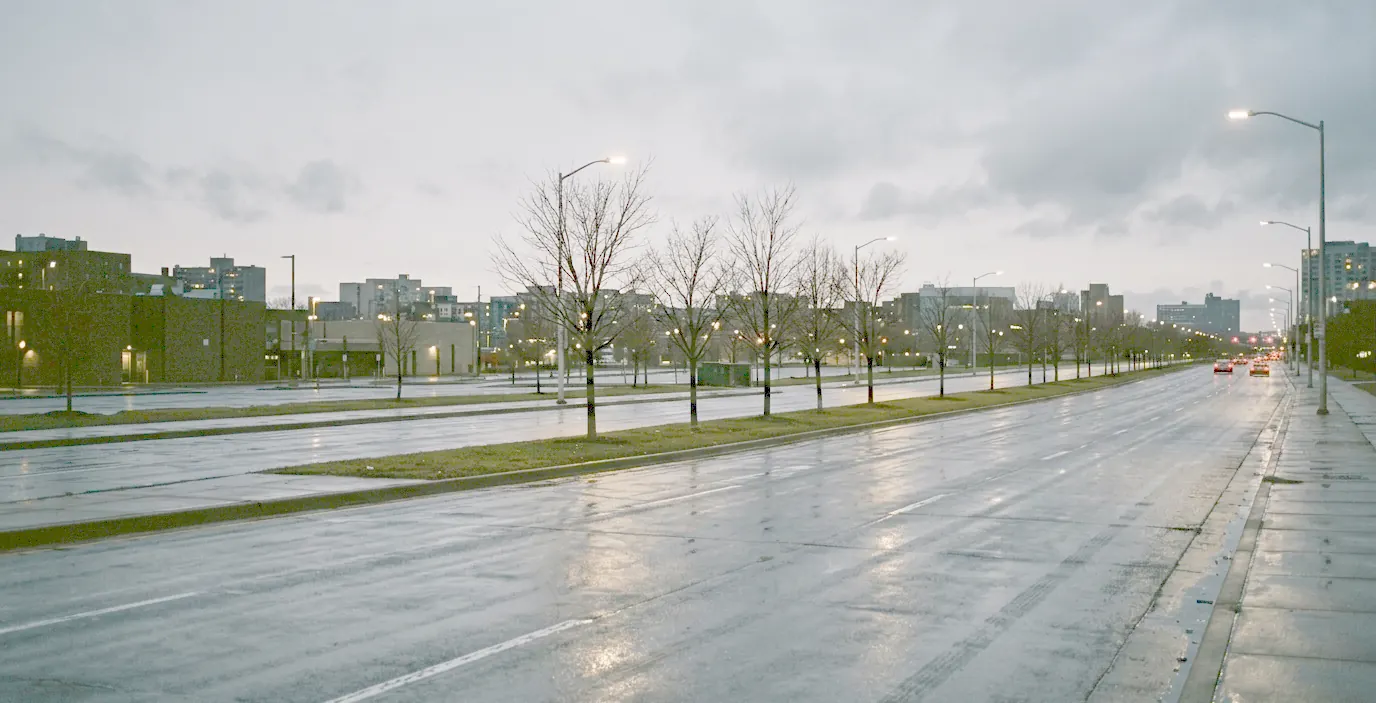
The arterial
Harlow Boulevard and roads like itIn a crosswalk
The driver yields
Between two signals
Marked crosswalk only
Outside one
The pedestrian yields
Deadline
Two years
Describe what happened in one sentence. Someone answers this number at any hour.
Home and hospital visits for people who cannot travel. Two offices on the same road, one number for both.
Not a phone interpreting service. Ask for your language when you call and a person in the office answers in it.
Big enough to take a hard case all the way, and small enough that you always know who is working on yours.
In many states a pedestrian who is hit usually claims the first medical bills on a car policy even though they were on foot, and being outside a crosswalk reduces a claim in proportion to the share of fault rather than ending it.
Because the rule that protects a person on foot is written around a crosswalk, and a wide multi lane arterial puts long stretches of road between one crosswalk and the next. The same traffic code sections govern both of these streets and they land very differently.
The driver yields
Marked crosswalk only
The pedestrian yields
Two years
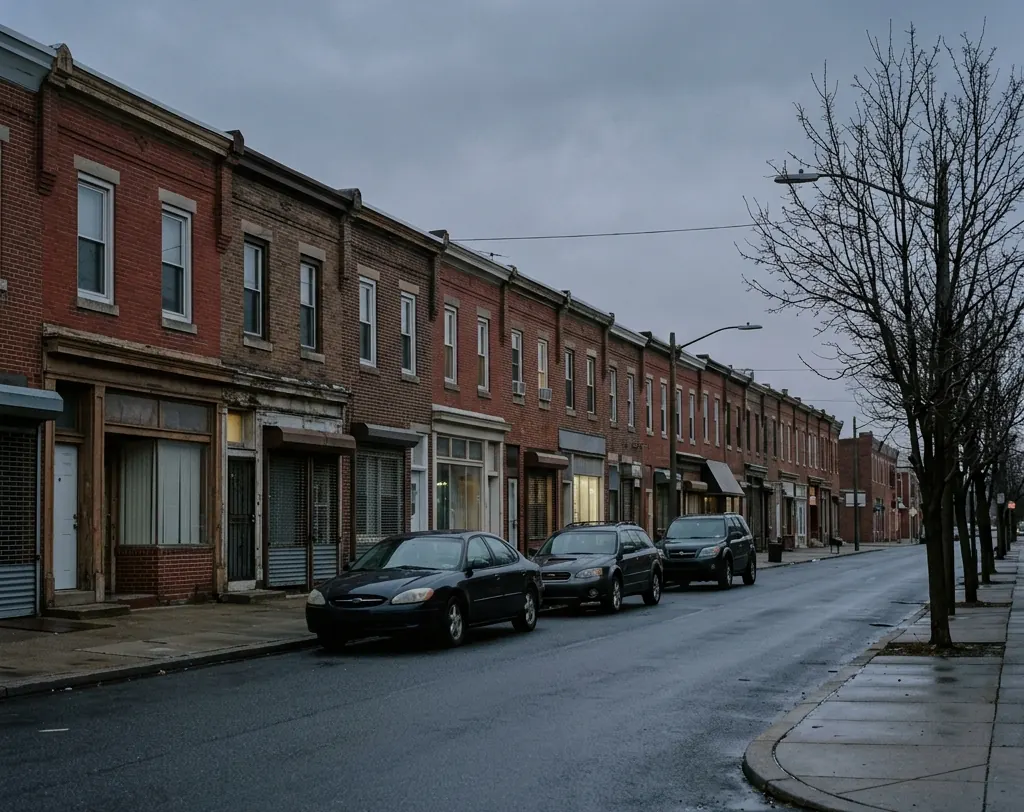
Still a crosswalk
Not permitted
A car policy
The same day
A car policy, almost always, and it does not have to be yours. This is the part people on foot assume does not apply to them.
A typical state's first party benefit statute sets an order of priority and works down it. A named insured claims on the policy on which they are the named insured. An insured claims on the policy covering the insured. An occupant of an insured vehicle claims on the policy on that vehicle. And for a person who is not the occupant of a motor vehicle, which is exactly what a pedestrian is, the statute names the policy on any motor vehicle involved in the accident.
So the first question after a pedestrian is hit is not whether you have insurance. It is whether anybody in your household has a car policy, and if not, what was insured on the vehicle that hit you. That answer usually exists, and it is why a person with no car and no health plan can still be treated while a claim runs.
The claim against the driver is a separate thing that comes later, and it is where the argument about the crossing lives. The office's own point, made on the firm's own guidance, is the one worth keeping: except in limited circumstances, pedestrians have the right of way, and drivers are responsible for yielding to a pedestrian lawfully crossing the street.
A pedestrian is rarely the person giving the account at the scene, so the report often records only the driver's version. These are the details worth getting into it, or corrected later.
The ordinary dates, plus the shorter one that catches anybody hit on a street or by a vehicle a public body runs.
Two years
Six months notice
Minority is not counted
No rule at all
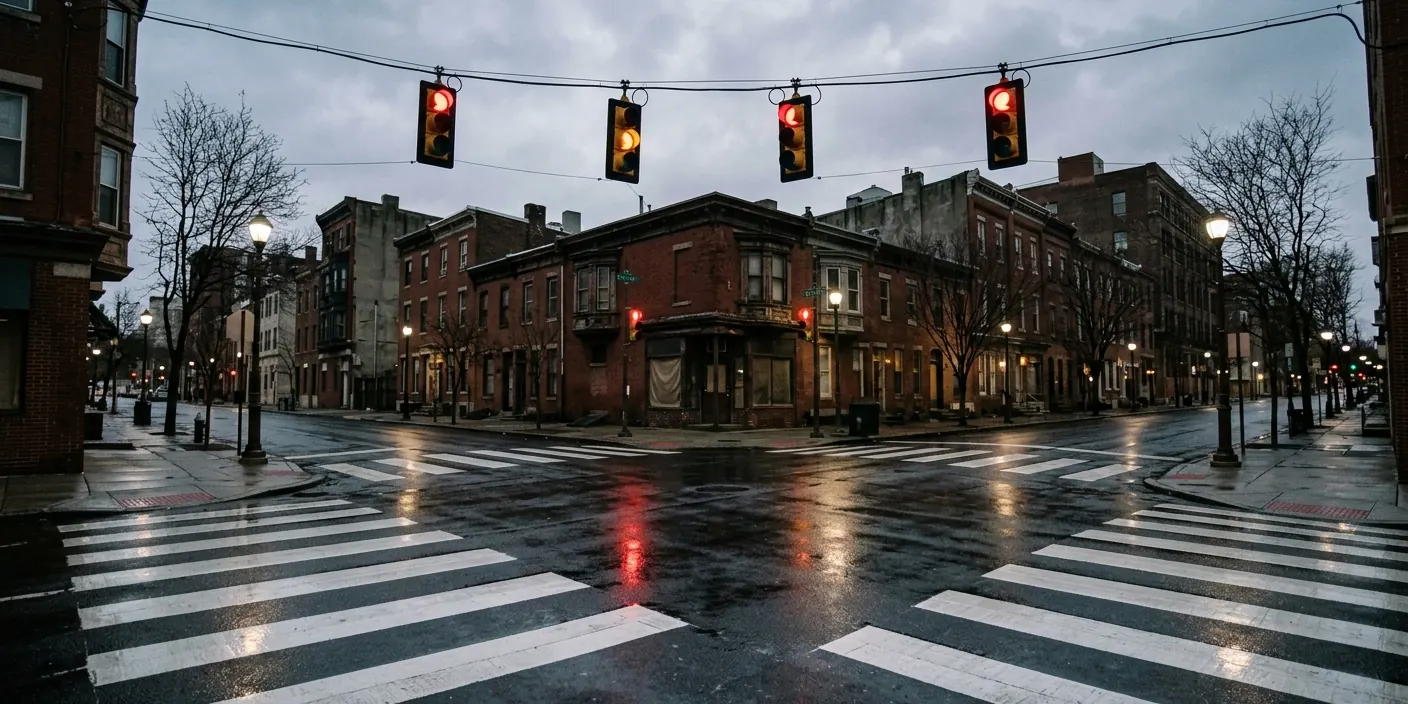
Four things drivers and insurers say about a person on foot, and what the traffic code and the comparative negligence statute actually provide.
A hit and run does not close the file. The statute's order of priority for first party benefits does not depend on identifying the driver, so the medical side can usually start while the police work on the rest. Report it the same day, get the incident number, and ask somebody to look for a camera on the corner before whatever is on it is recorded over.
The firm's own guidance makes the point that these happen anywhere a person walks near moving vehicles: car parks, pavements, crosswalks and intersections, and often at night.
Yes. The statute's order of priority ends with the policy on any motor vehicle involved in the accident, for a person who was not the occupant of a motor vehicle. A pedestrian is that person, so there is usually a policy that answers even when you own nothing.
No. Outside a crosswalk the traffic code puts a duty on the pedestrian to yield, and the comparative negligence rule where you were hurt reduces a recovery in proportion to the share attributed to the injured person rather than ending it, unless that share was greater than the other side's.
Less than people think. The section covers a pedestrian crossing within any marked crosswalk or within any unmarked crosswalk at an intersection, so a corner with no paint on it can still be a crosswalk.
That situation has its own subsection. Whenever a vehicle is stopped at a crosswalk to let a pedestrian cross, a driver approaching from the rear shall not overtake and pass the stopped vehicle.
Worth establishing early, because if a government unit is involved a written statement has to be filed within six months of the injury. That deadline is much shorter than the two years and it is the one people miss.