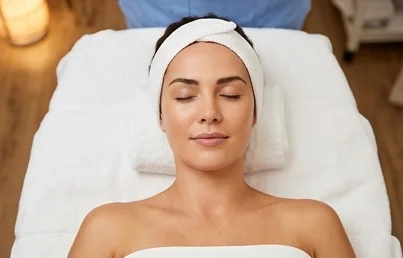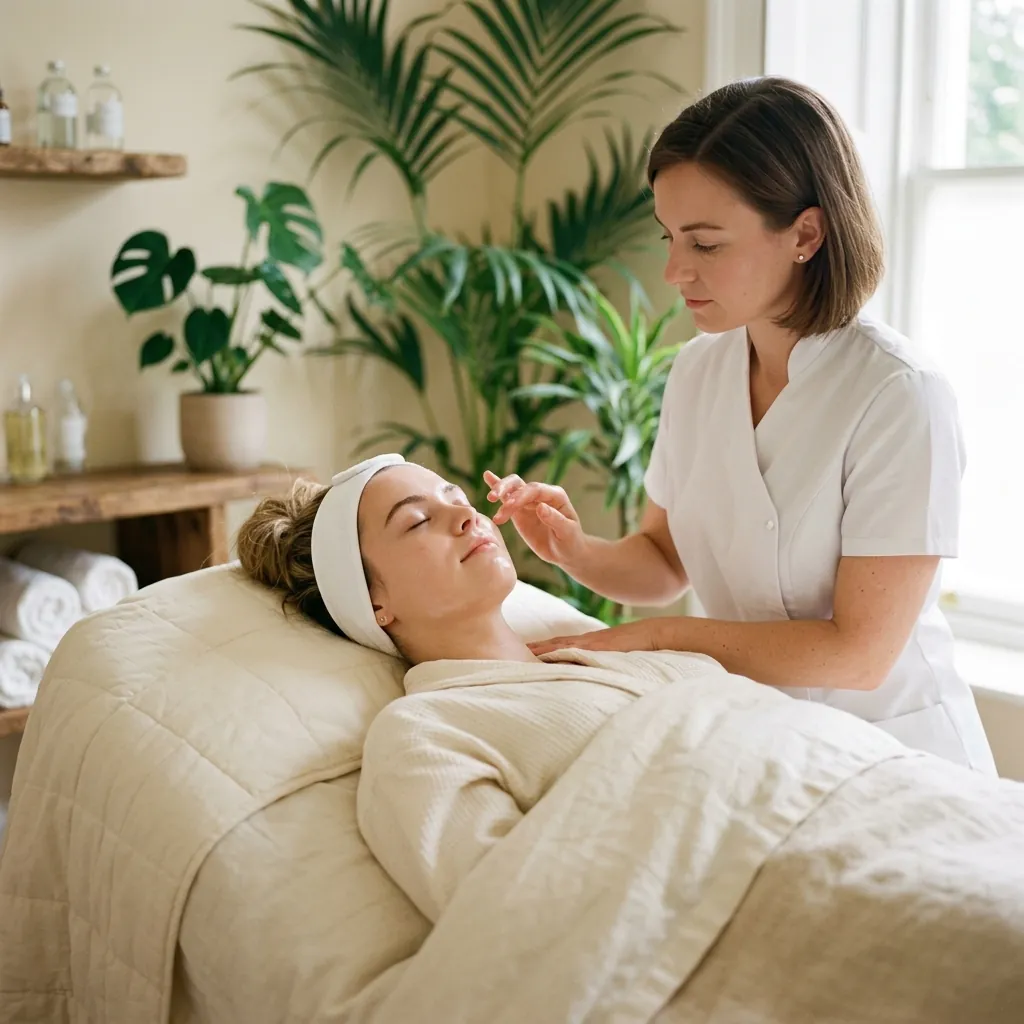
A spa facial is built for relaxation. A medical facial is built around a skin assessment, uses clinical exfoliants and extraction tools, and is adjusted by a medical team to what your skin needs that day.
Where the two overlap
Both involve cleansing, exfoliation, masks and a calm room. Both can leave skin looking fresher. The difference is in how decisions are made and which tools are available, which matters most if you have breakouts, sensitivity, pigment or a treatment plan in progress.
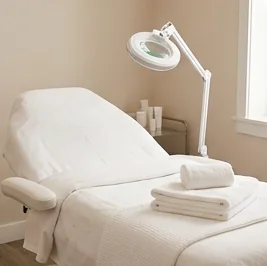
- Skin analysis under magnification
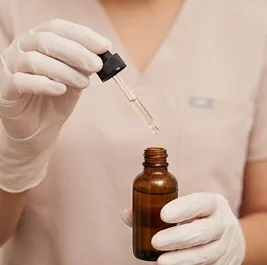
- Medical-grade exfoliants and serums
- Coordination with your other treatments
How a medical facial runs
Each visit follows the same backbone, adjusted to your skin on the day.
- Double cleanse and skin assessment
- Enzyme or light acid exfoliation
- Suction extraction with hydrating serum
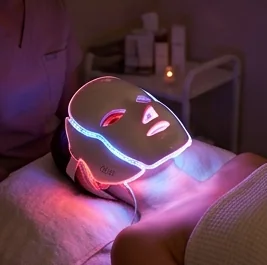
- Targeted step: LED, calming mask or antioxidant
- Moisturizer, mineral sunscreen and home notes
Why it helps other treatments
Clean, well-hydrated skin tends to respond better to peels, IPL and microneedling, and heals more comfortably afterward. Many clients alternate facials with more active treatments across the year for steady improvement.
Think of it as maintenance that makes every other treatment work a little better.
Before an event
Book your facial three to five days ahead. That gives any pinkness from extractions time to settle and lets your skin look its calmest on the day.
Quick questions
Is a medical facial painful?
No. Extractions can feel like pressure, and the rest is relaxing.
Will it cause a breakout?
A few small spots can surface in the days after if pores were congested. It settles quickly.
Can I have one while pregnant?
Yes, with pregnancy-safe products. Let us know when you book.
Illustrative demo. Individual results vary. Pricing shown is illustrative. This article is general information, not medical advice.
Back To Journal