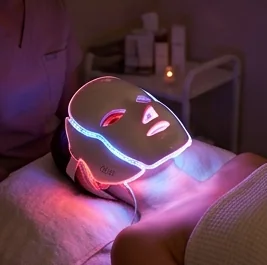
An IPL series can fade many brown sun spots and calm diffuse redness in three to five sessions. It does not treat melasma or deep wrinkles, so a pigment check comes first.
What IPL targets
Intense pulsed light is filtered to be absorbed by brown pigment and by the small red vessels that cause flushing. Spots absorb the light, darken over a few days and shed, while redness fades a little more with each visit. The surrounding skin is largely spared, which keeps downtime light.
- Freckling and sun spots on the face, neck and hands
- Diffuse redness across the cheeks and nose
- Some small visible vessels
Why the pigment check matters
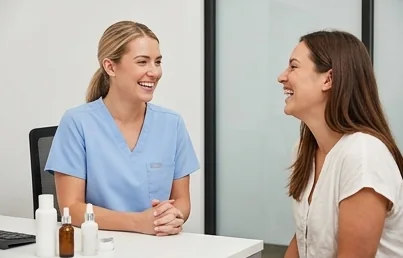
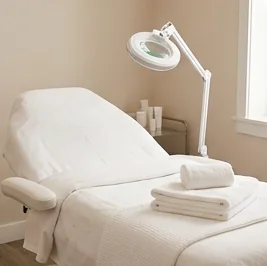
Not every brown patch is sun damage. Melasma, which often appears as symmetrical patches on the cheeks, forehead or upper lip, can darken after heat-based treatments. A nurse looks at your pigment under magnification before recommending IPL, and if it looks like melasma, suggests gentler options.
The right treatment starts with naming the pigment correctly.
How a series usually looks
Most people see a clear change after the first session and a more even complexion after three to five.
- Session 1: spots darken, flake off within 10 days
- Session 2, four weeks later: redness starts to calm
- Session 3: overall tone looks more even
- Maintenance: once or twice a year with daily sunscreen
Keeping results
Sun exposure brings new spots back over time. A broad-spectrum sunscreen every morning, a hat outdoors and a yearly maintenance session help protect what the series achieved.
Quick questions
Does IPL hurt?
Each pulse feels like a warm snap. A cooling gel keeps it comfortable, and a full face takes about 30 minutes.
Can I have IPL on my chest?
Yes, the neck, chest and hands are common areas, treated with settings adjusted for thinner skin.
Is IPL right for darker skin?
Usually not. Deeper skin tones have a higher risk of pigment change, so we often suggest peels or microneedling.
Illustrative demo. Individual results vary. Pricing shown is illustrative. This article is general information, not medical advice.
Back To Journal