Introduction to IPL photofacials
IPL stands for intense pulsed light. Unlike a laser, which uses one wavelength, IPL delivers a broad band of light through filters that target brown pigment and red blood vessels in the skin. The light is absorbed by those targets and turns to gentle heat, which breaks up pigment and calms small vessels, while the surrounding skin stays largely untouched.
Years of Arizona sun show up first as uneven color: freckles that merge into patches, brown spots on the cheeks and hands, and a flush across the nose and cheeks. IPL is one of the most efficient ways to even that out, which is why it is often the first light treatment we suggest.
What changes, and what does not
IPL is strongest on color. Brown spots usually darken slightly for a week, then flake away, and redness fades gradually over a series. It is not a treatment for deep wrinkles or significant laxity, and it is not suitable for melasma, which can worsen with heat. If your pigment looks like melasma, we will guide you toward safer options.
It also needs the right skin tone. IPL suits lighter to medium skin; on deeper tones the risk of pigment change is higher, so we may suggest peels or microneedling instead.
What to expect from a visit
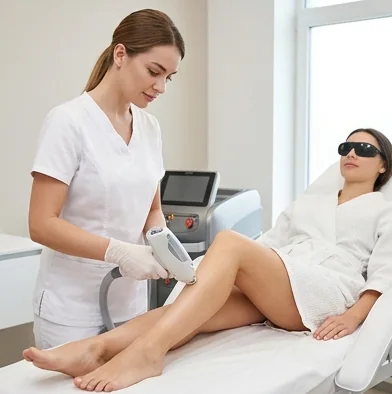
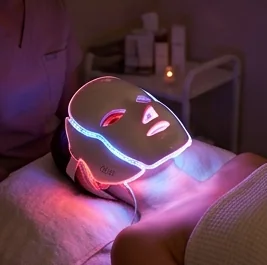
A full face takes about 30 minutes. You wear protective eye shields while a cool gel and the handpiece glide over the skin. Each pulse feels like a quick warm snap.
- Spots may look darker, like coffee grounds, for 5 to 10 days
- Mild redness for a few hours, sometimes a day
- Makeup is usually fine the next morning
Building a series
Most clients see a clear change after the first session and a more even result after three to five, spaced about four weeks apart. After that, one or two maintenance visits a year, combined with daily broad-spectrum sunscreen, help keep new spots from building up. We take standardized photos at each visit so you can compare side by side.
Aftercare and sun protection
Your skin may feel warm and look slightly pink for a few hours. Treated spots darken over the next two to three days and gradually flake away over about a week. Let them shed naturally, avoid scrubs and picking, and keep up a plain moisturizer while they do.
Sun protection is the most important part of aftercare. Wear a broad-spectrum sunscreen every day, reapply when you are outdoors, and add a wide-brimmed hat for longer stretches outside. Avoid tanning, including self-tanner, for at least four weeks. Your nurse takes photos at each visit so you can see progress across the series.