Rooftop and container gardens planted for wind, heat and weight limits
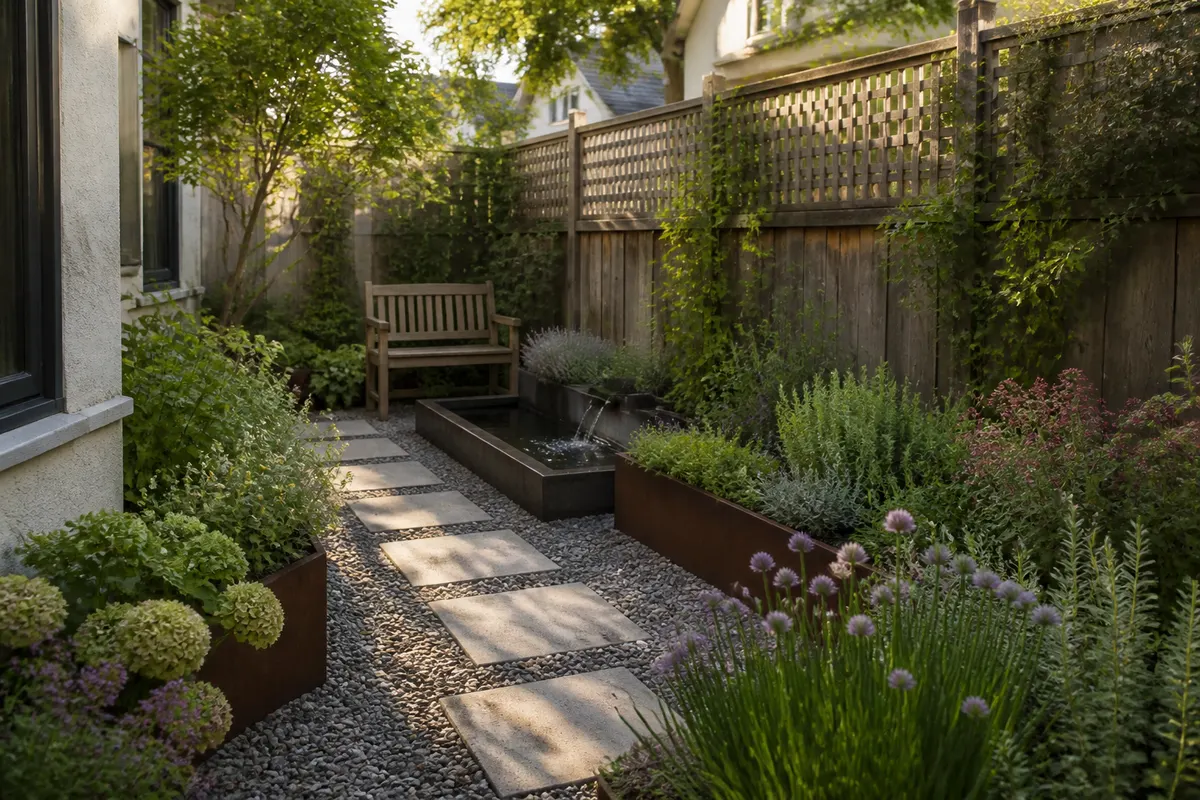
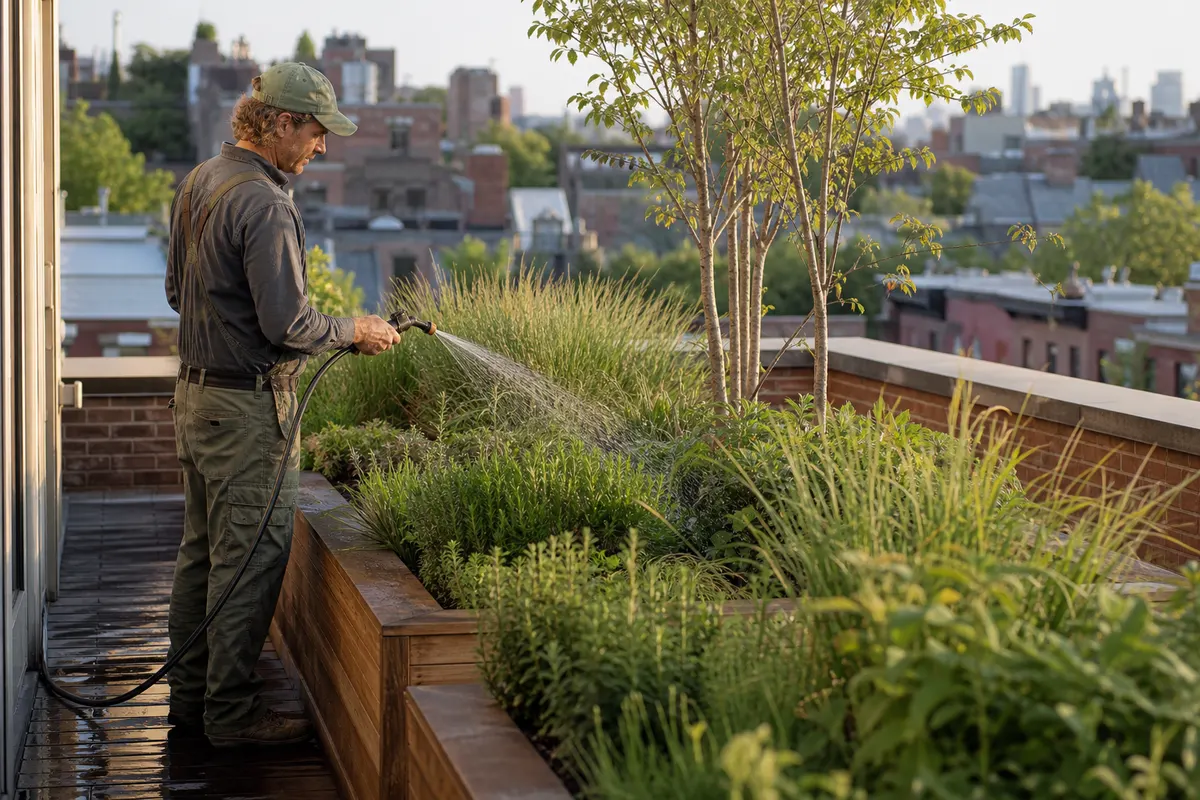
A roof deck or balcony is a hard place for plants: full sun, drying wind, reflected heat and a structure that can only carry so much. We design container gardens around those limits, using lightweight soil, planters sized to the load rating, drip watering on a timer and plants that shrug off exposure, so the space stays green through a Kansas City August. We coordinate with building managers, protect finished floors and elevators during the build, and haul every scrap away.
What is included
- Site visit with photos, measurements and a sun study
- Load check against the deck or roof rating
- Planter layout and sizes drawn to scale
- Cedar, steel or fiberglass planters built or supplied
- Lightweight container soil mix
- Drainage layer and root barrier where needed
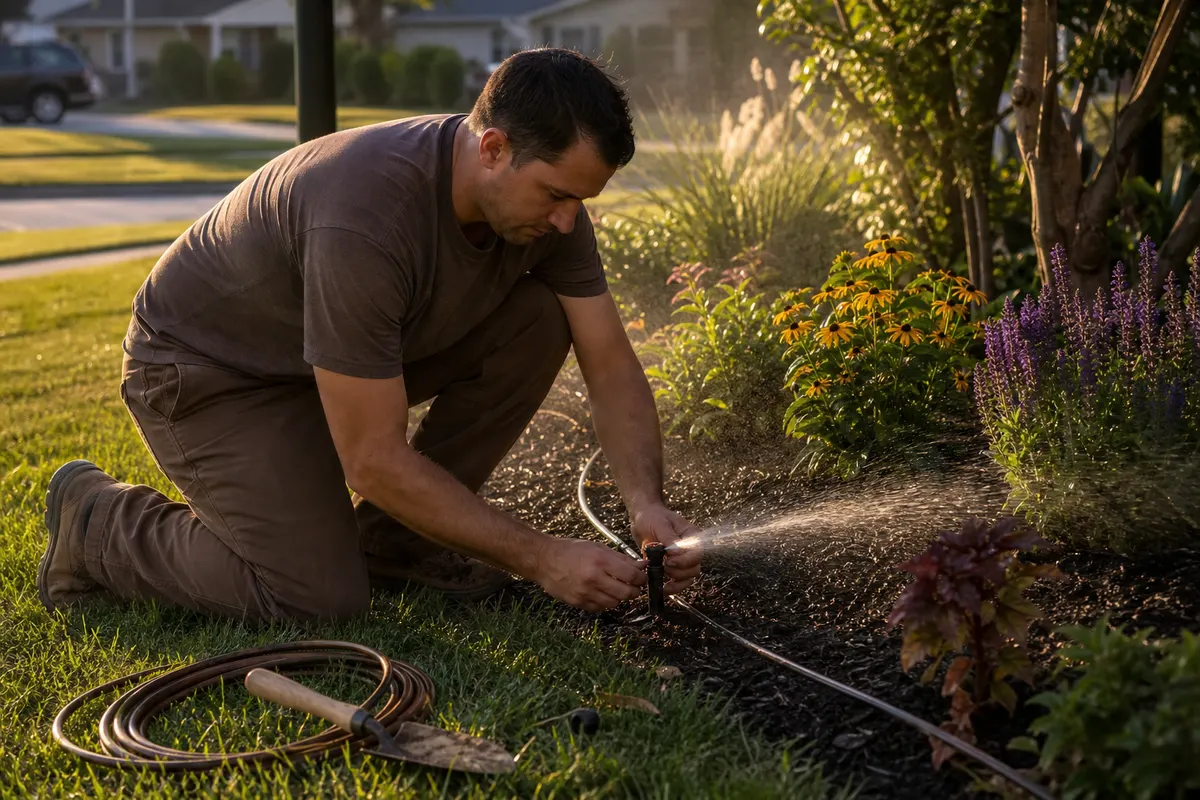
- Drip irrigation to every planter on a timer
- Plants chosen for sun, wind and heat
- Top dressing to hold moisture
- Seasonal refresh visits in spring and fall
What goes into a rooftop quote
Planter material drives most of the cost. Cedar is warm and affordable, powder-coated steel lasts longer and looks crisp, and lightweight fiberglass helps when the load rating is tight. After that come the number and size of planters, how far water has to run to reach them, whether materials go up by elevator, stairs or crane, and the size of the trees. Quotes list each planter with its soil volume and wet weight so the building can sign off.
Keeping a roof garden going through the seasons
Container soil dries and settles faster than ground soil, so each spring we top up the mix, restart the drip system and check every emitter. Summer visits trim, feed and adjust watering for heat. In fall we cut back grasses where needed, swap seasonal color and shut the water off before the first hard freeze. Small trees in large planters generally overwinter well in Kansas City when the pots are sized right.
Weight comes first
Wet soil is heavy. Before we draw anything, we check the roof or deck rating, often with your building manager or engineer, then size the planters and choose a lightweight mix so the finished garden stays well inside the limit.
Plants that handle exposure
Up high, wind dries leaves faster than roots can replace water. We lean on grasses, sedums, herbs, compact shrubs and small multi-stem trees that tolerate it, and group them so taller plants shelter the rest.
“Our terrace was a bare deck with two dead pots. Now it has cedar planters, grasses and a small maple, all watered on a timer. It is the room we use most from May to October.”
How rooftop and container gardens works with us
- 01
Survey the space
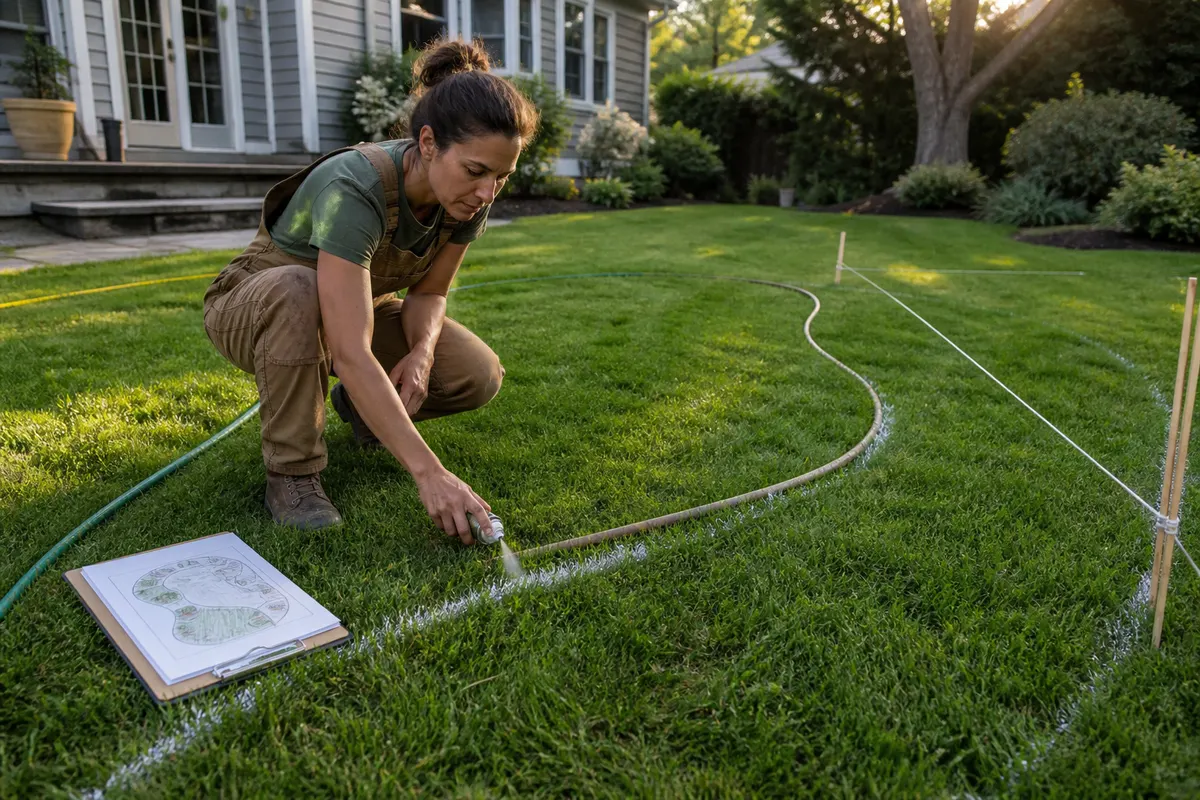
We measure, photograph and study sun and wind, and gather the load rating for the roof or deck.
- 02
Design the planters
You get a scaled layout with planter sizes, materials, a plant list and a fixed price to build it.
- 03
Build and plant
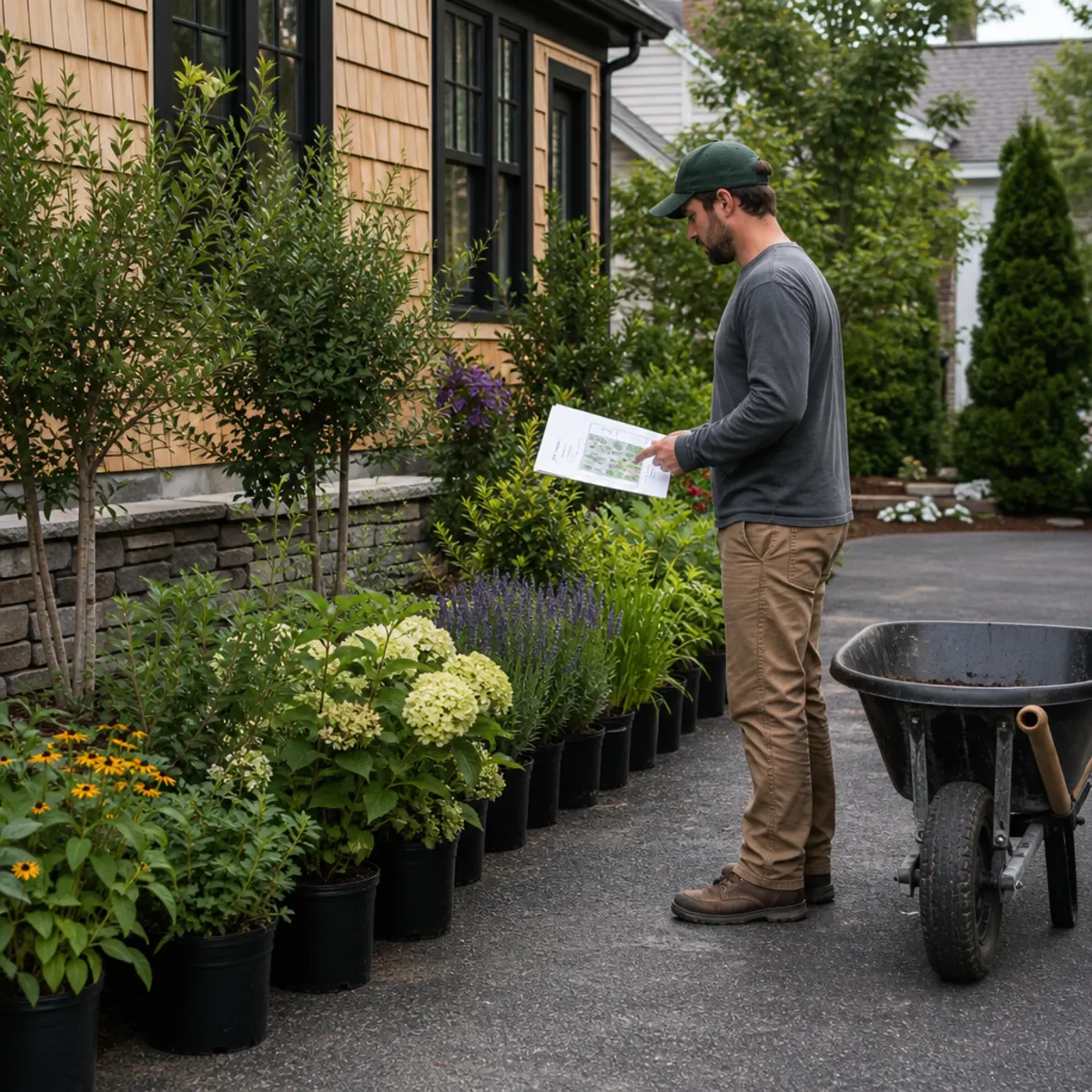
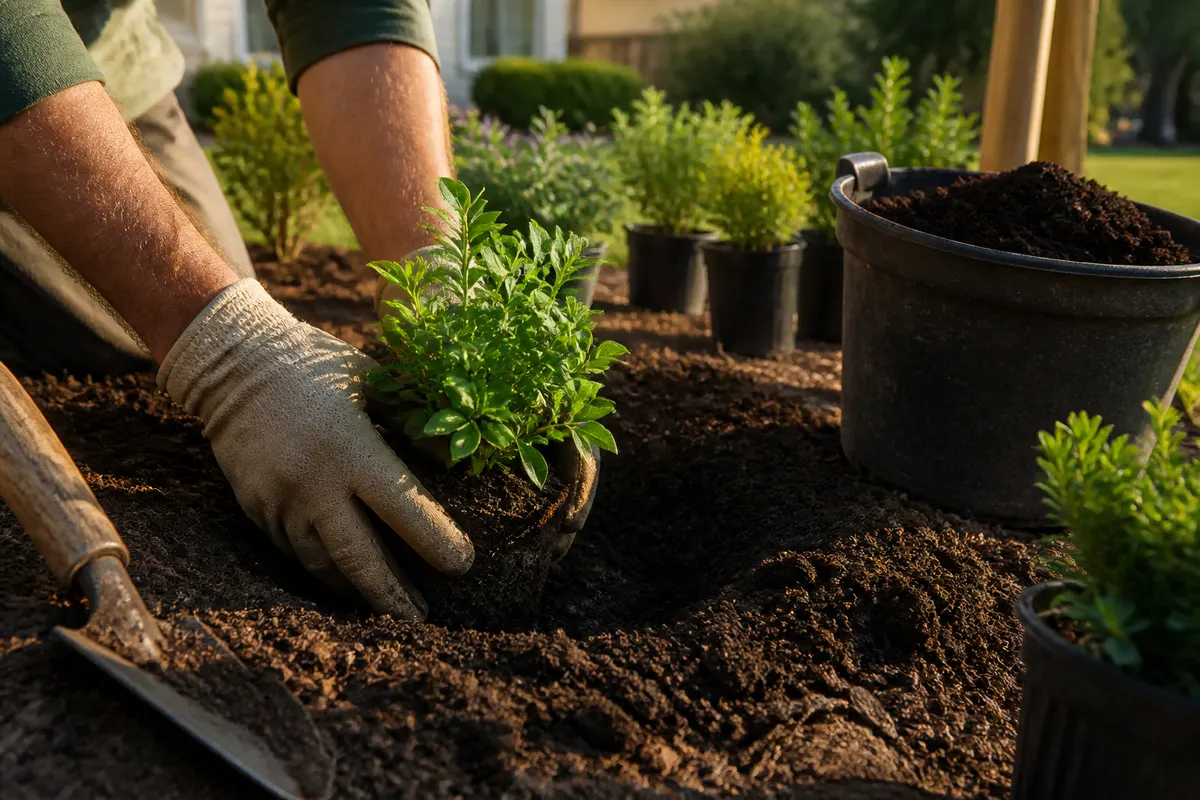
Planters are set, drip lines run, soil mixed and plants installed, usually in under a week.
- 04
Keep it thriving
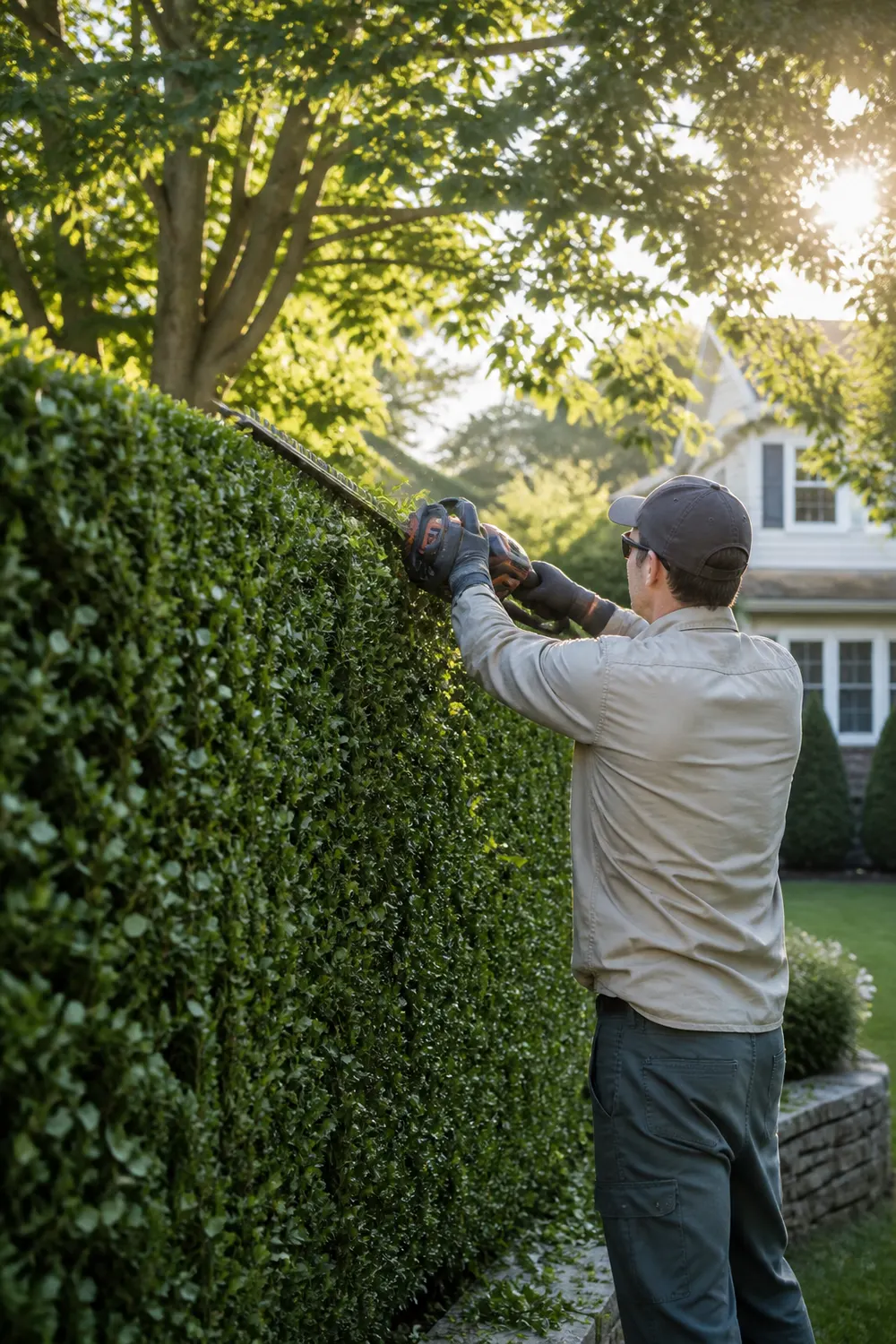
Spring and fall visits refresh soil, check emitters, prune and swap seasonal color.
Rooftop and container gardens questions, answered
Small balcony container gardens start around $2,800. Larger roof terraces with custom planters and irrigation are quoted after the site visit and load check.
We never guess. We ask for the rated load from your building, HOA or engineer and design the planters and soil well inside it.
A drip line runs to every planter from a hose bib or water line, on a battery or smart timer that we set for the season.
Grasses, sedums, rosemary, lavender, compact junipers and small multi-stem trees like serviceberry do well with drip watering and good soil.
Yes. We prepare drawings, product sheets and insurance certificates for approval and schedule work around building rules and elevator bookings.