Planting beds built on better soil, so new plants root in and stay
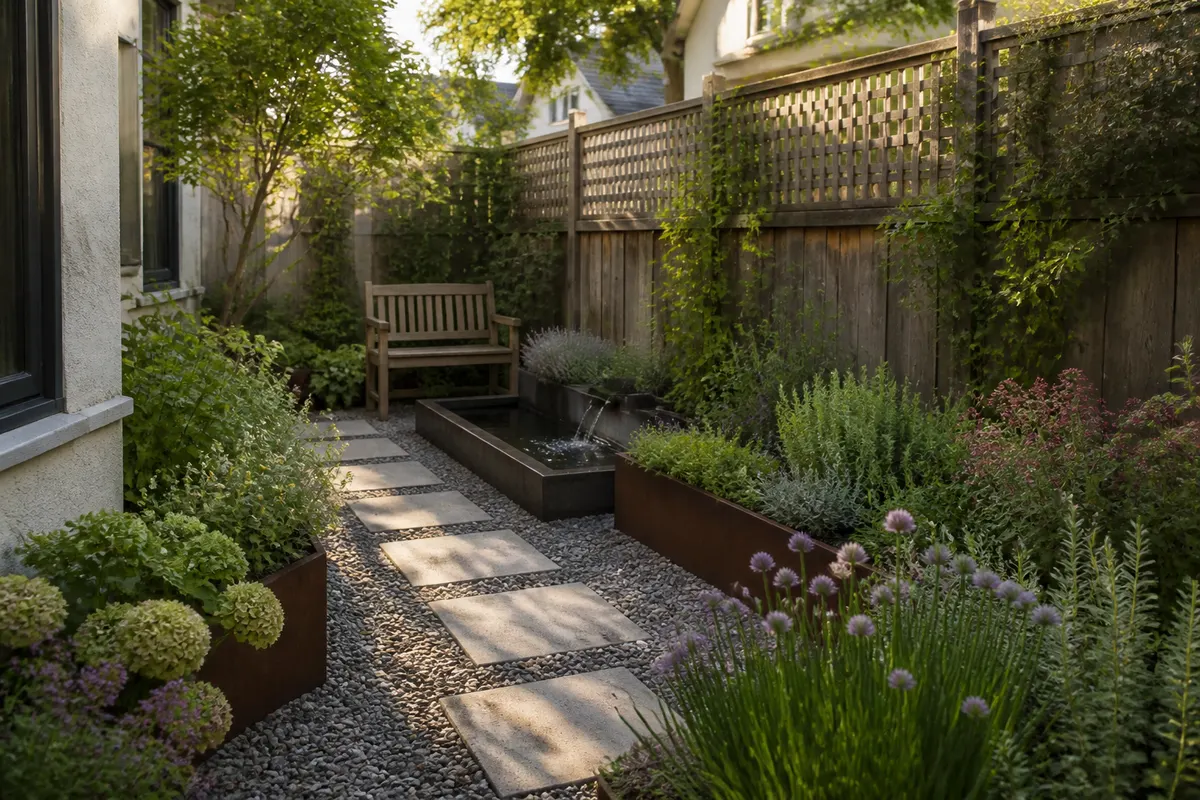
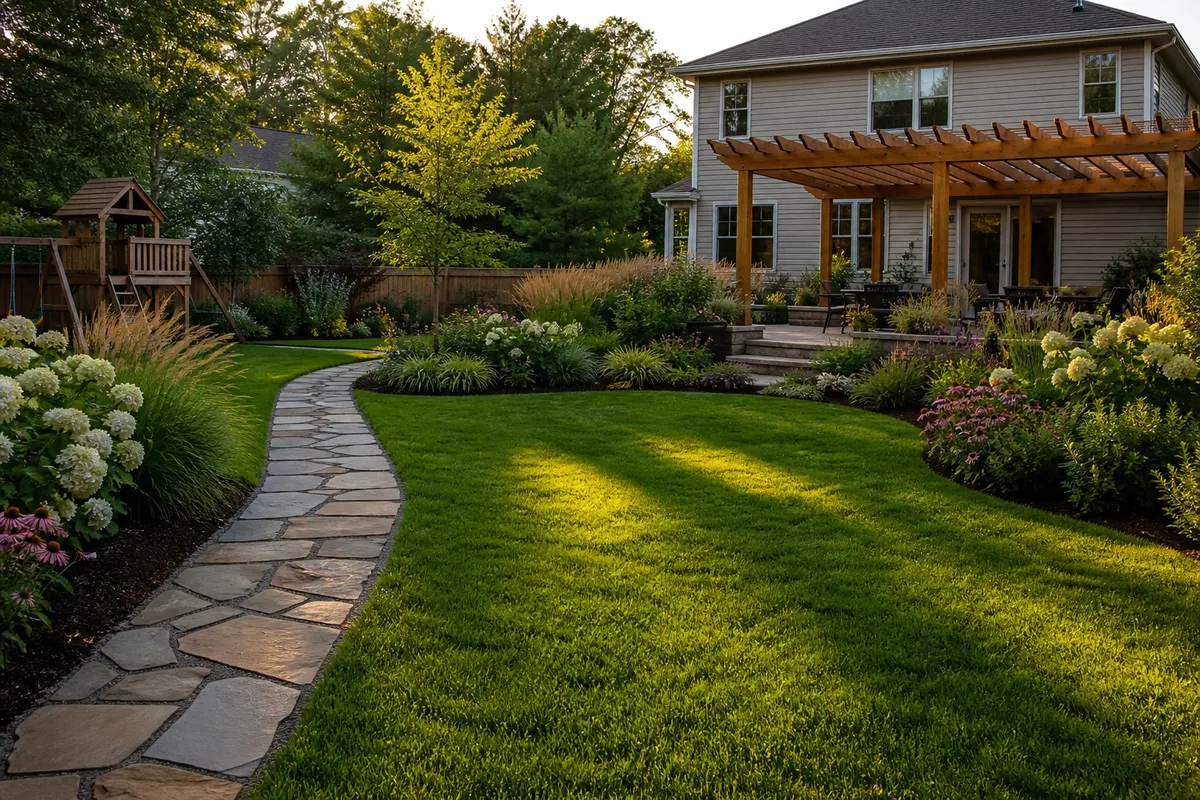
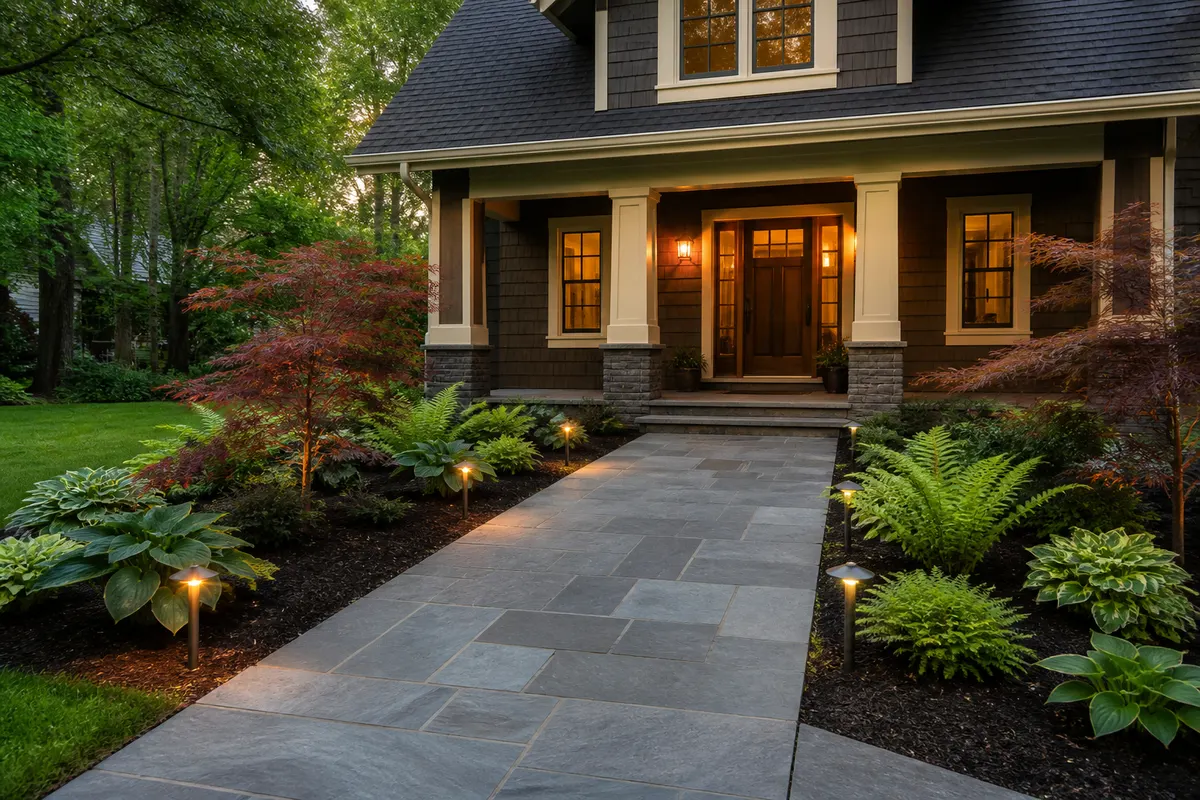
Most plant failures start underground. Johnson County clay drains slowly, packs hard and starves roots of air, so we fix the soil before anything goes in the ground. Every bed we build is cut, loosened and amended with compost, planted at the right depth and finished with mulch, so trees, shrubs and perennials establish in one season instead of struggling for three.
What is included
- Soil test and amendment plan
- Old sod and weeds stripped from new beds
- Beds loosened to 10 to 12 inches
- Compost worked into the planting zone
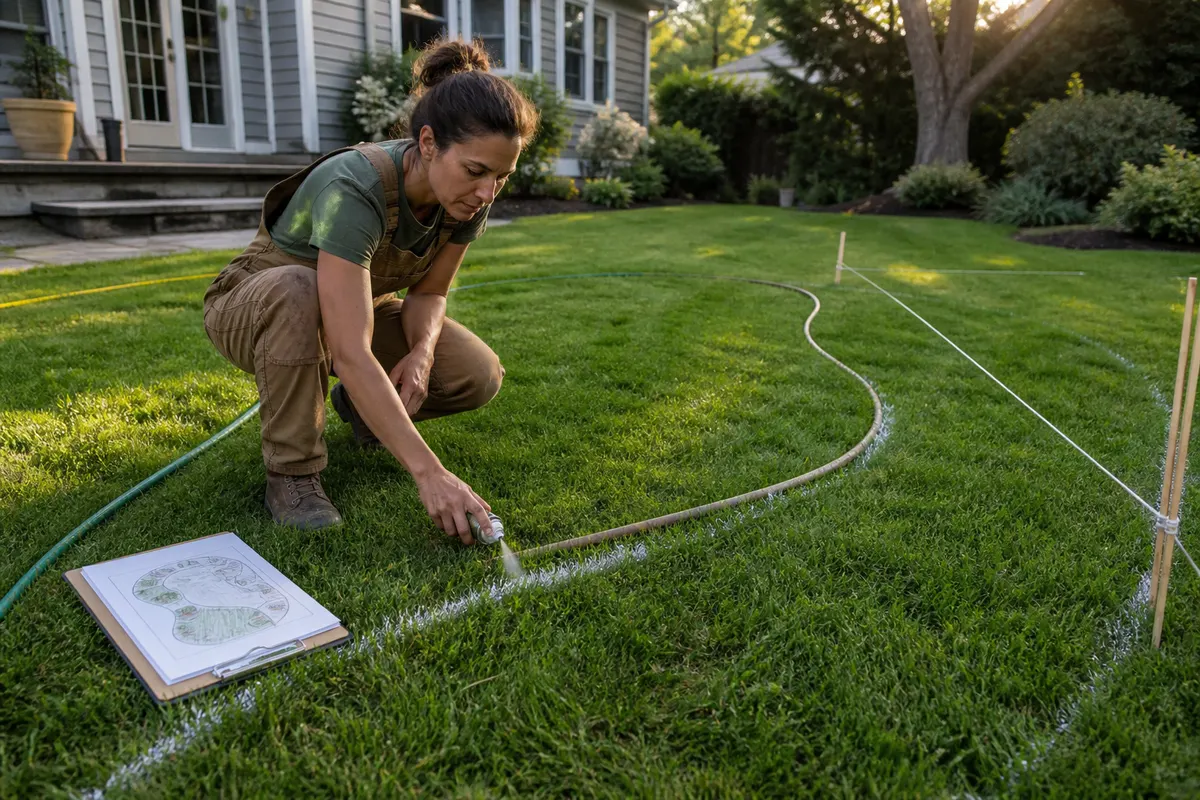
- Bed edges cut clean or steel edging set
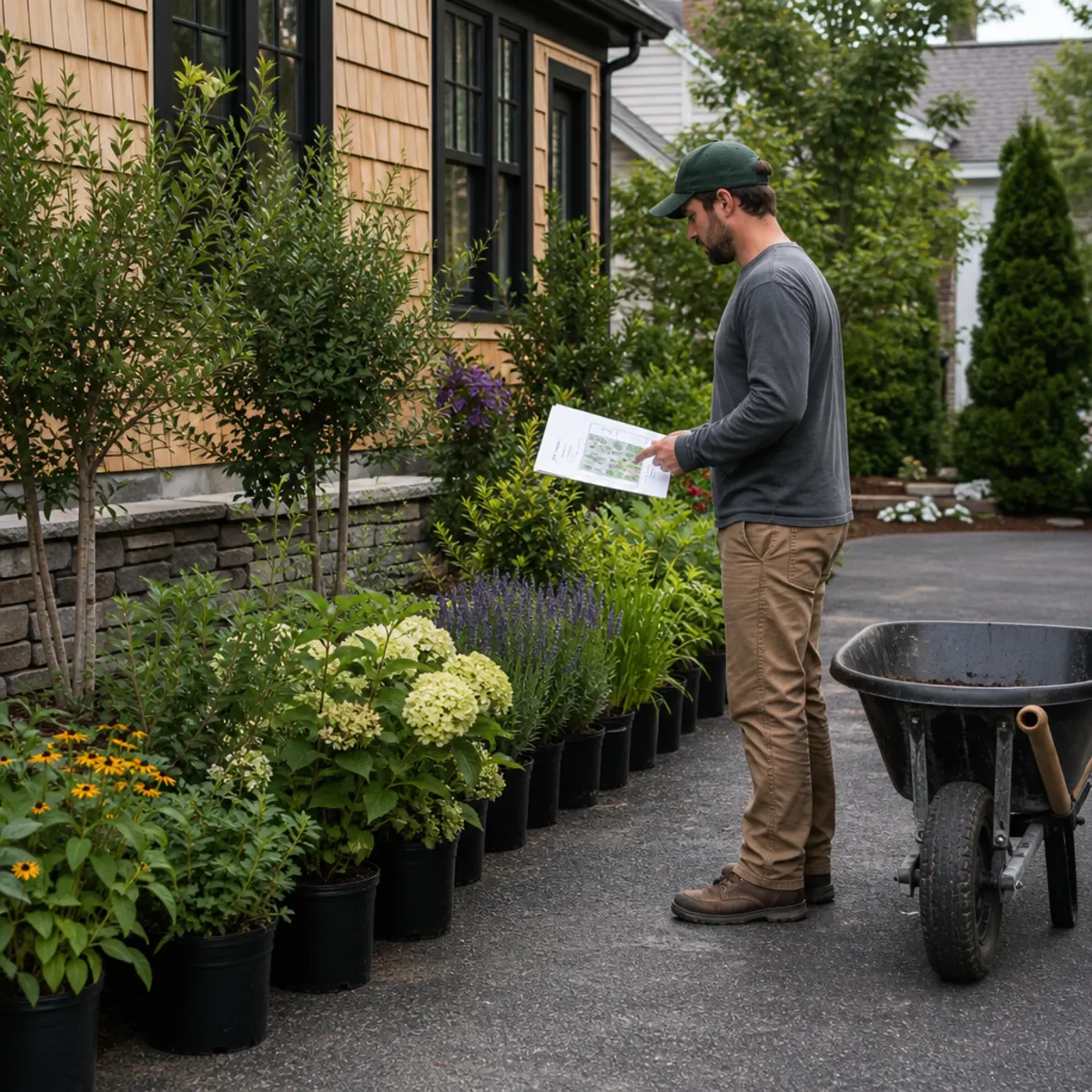
- Trees and shrubs planted at the right depth
- Perennials and grasses set to the planting plan
- Starter fertilizer where the soil test calls for it
- Two to three inches of shredded hardwood mulch
- A written first-season watering schedule
- One-year plant replacement guarantee
What drives the cost of a planting bed
Plant size is the biggest factor: a five-gallon shrub costs far less than a balled-and-burlapped tree that needs two people to set. After that come bed size, how much compost the soil test calls for, whether old sod has to be stripped and hauled, and the edging you choose. Steel edging costs more than a cut spade edge but holds its line for decades. Every quote lists plants by size and count so you can trade up or down.
Caring for new plants the first summer
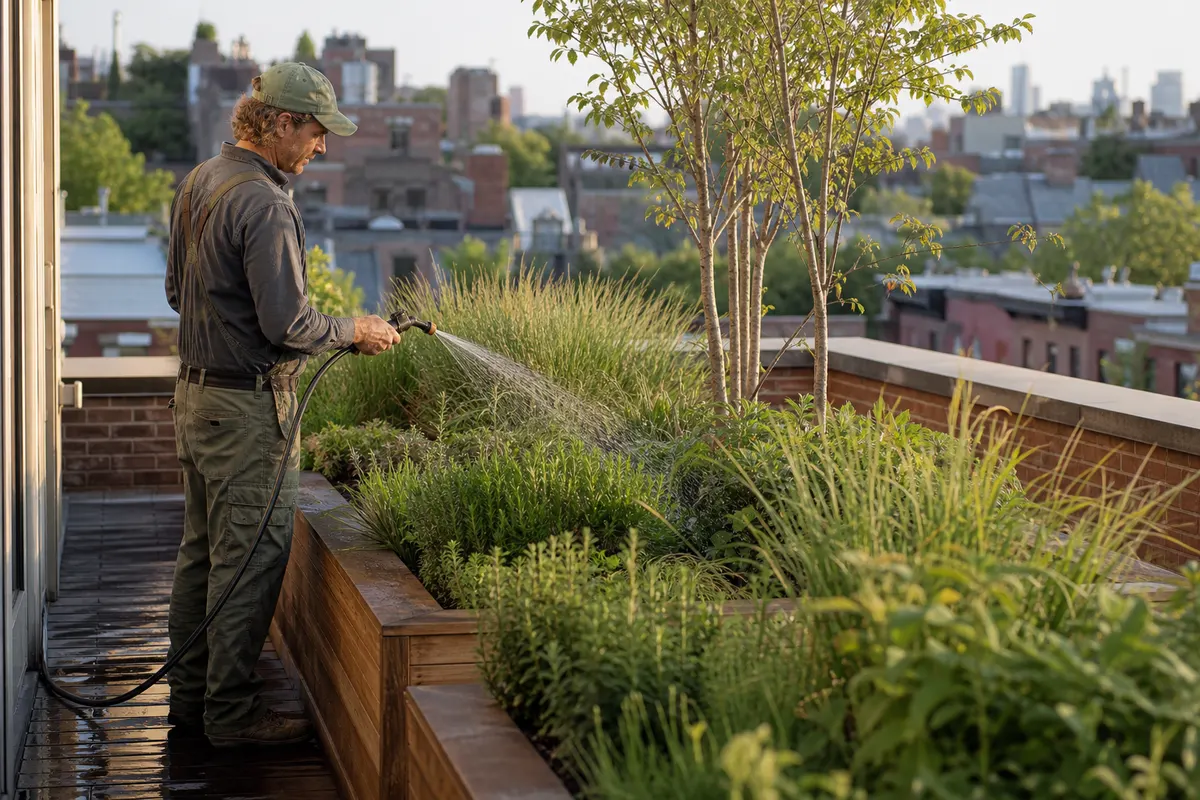
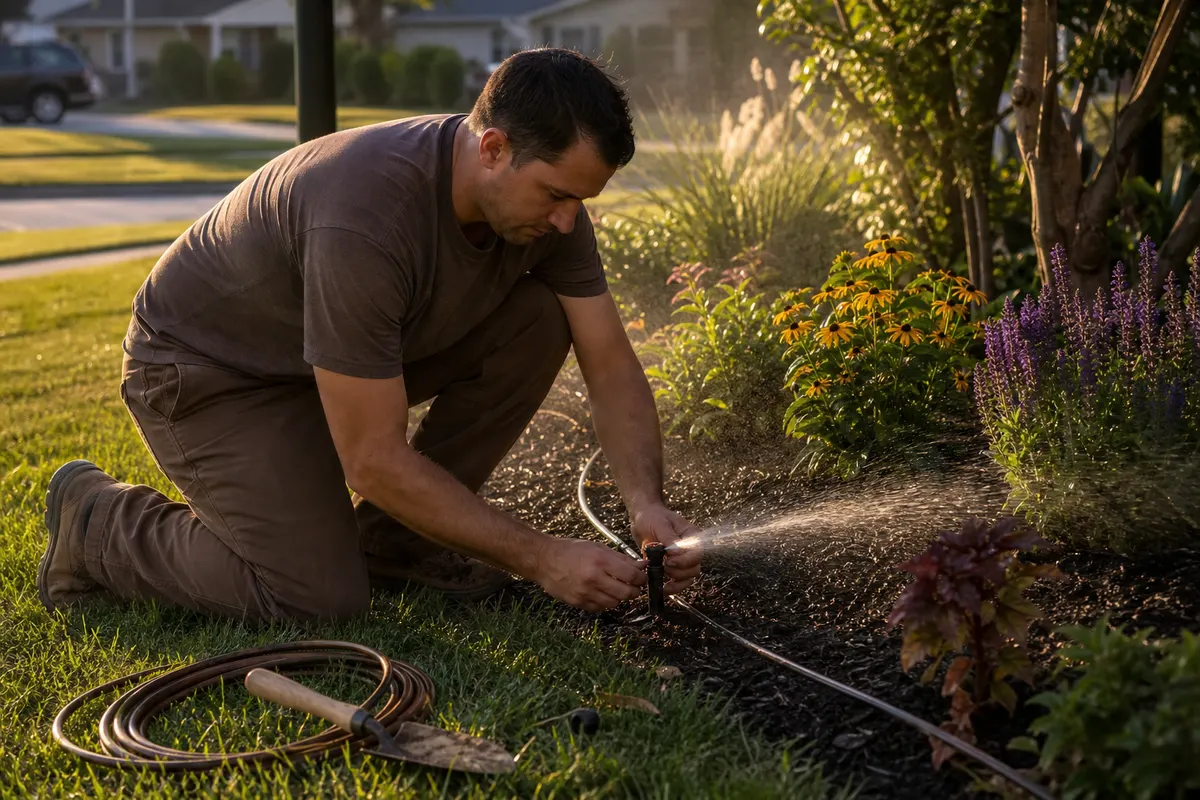
Roots need steady water until they reach past the original root ball, which takes most of a growing season. We leave a written schedule, usually a deep soak twice a week for the first month, then weekly through the summer, with extra water in heat waves. Drip lines or soaker hoses make it easy. We come back at six weeks to check every plant, adjust mulch and replace anything that failed to take.
Why we amend before we plant
Clay holds nutrients well but little air. Working compost into the top foot of soil opens it up, improves drainage and feeds the soil life that roots depend on. It costs a little more on day one and saves you replacing plants in year two.
Right plant, right depth, right spacing
Trees go in with the root flare at grade, never buried. Shrubs and perennials are spaced for their mature size, so the bed looks a little open the first summer and full by the third, without crowding or constant pruning.
“Every shrub the last company planted died within a year. Tallgrass dug out the clay, mixed in compost and replanted. Not one loss since, and the beds are finally filling in.”
How soil and planting works with us
- 01
Soil test
We sample each bed area and read texture, pH and organic matter before we choose plants or amendments.
- 02
Bed preparation
Sod and weeds come out, soil is loosened and compost is worked in, then edges are cut or set in steel.
- 03
Planting day
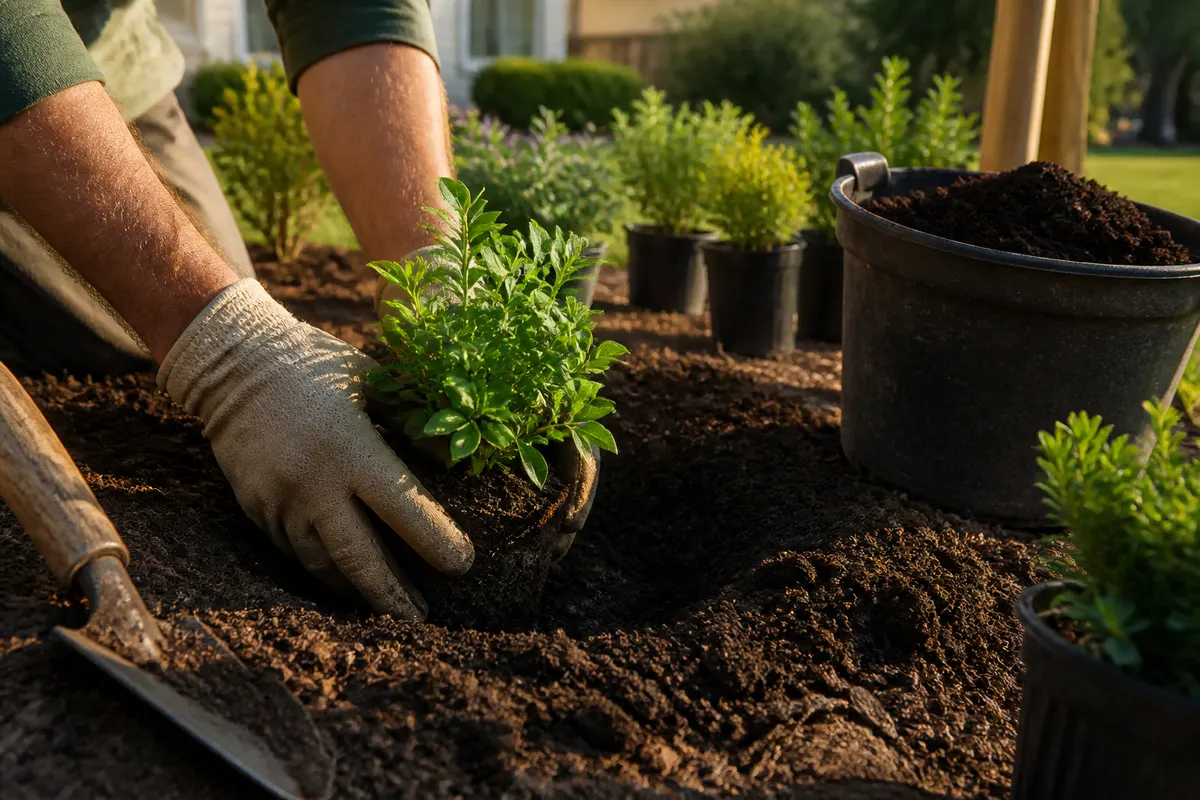
Trees, shrubs and perennials go in at the right depth and spacing, are watered in and mulched the same day.
- 04
First-season care
You get a watering schedule, a follow-up visit at six weeks and a one-year replacement guarantee.
Soil and planting questions, answered
Small refreshes start around $950. A typical new front bed with shrubs, grasses and perennials runs $2,500 to $6,000 depending on size, plant sizes and edging.
Spring and early fall are best. September and October planting gives roots two cool months to establish before summer heat, which suits most trees and shrubs.
Trees, shrubs and perennials we install carry a one-year replacement guarantee when they are watered on the schedule we set up with you at planting.
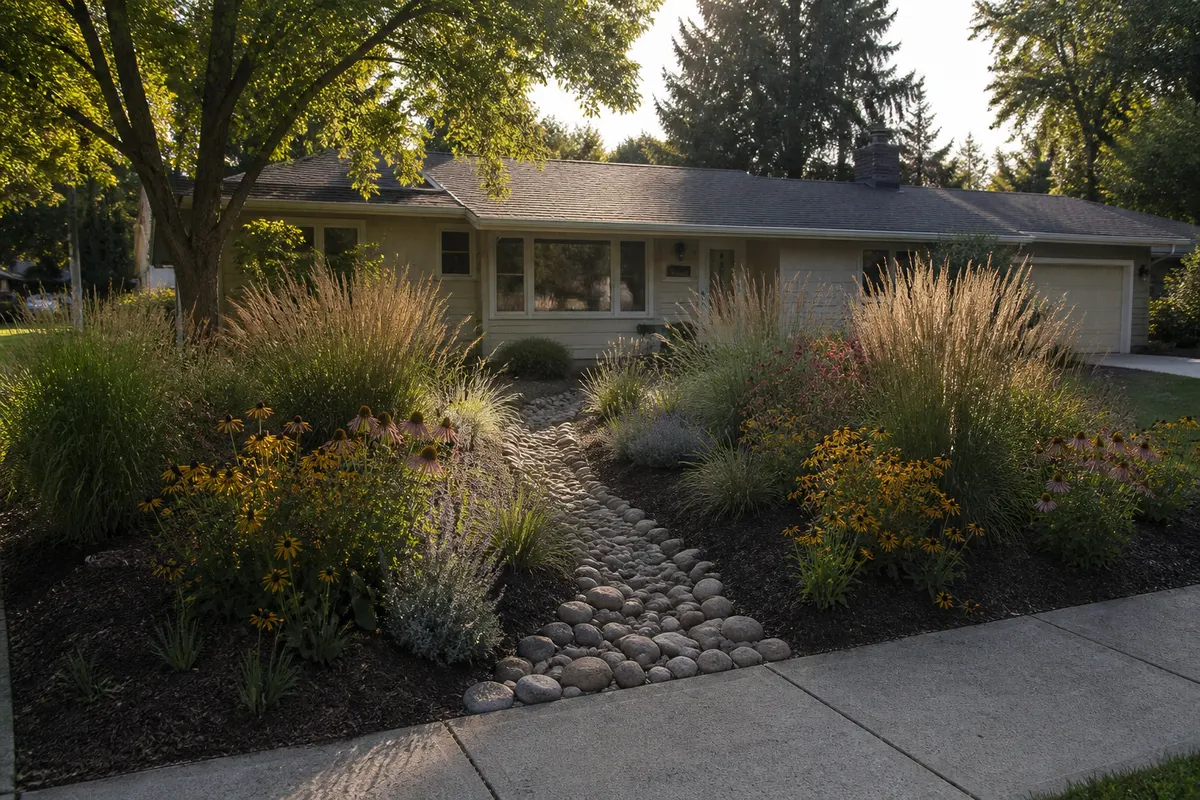
Yes, and we often recommend them. Switchgrass, little bluestem, coneflower, aster and native shrubs handle clay, heat and drought better than many nursery staples.
Double-shredded hardwood mulch at two to three inches, pulled back from stems and trunks. We can also install river rock where it suits the design.