Hurt on unsafe property in Sacramento? The question is what the owner knew.
Nobody disputes that you fell. The dispute is whether the owner knew about the spill, the loose rail or the dark lot, and for how long. That answer lives in complaint records, repair logs and camera footage, and we go after it in the first week.
6 months
for a written claim on public property
2 years
for most other property injury claims
1 photo
of the hazard today outlasts any later description
How it works
General information, not advice on your case.
How a property injury claim works in California
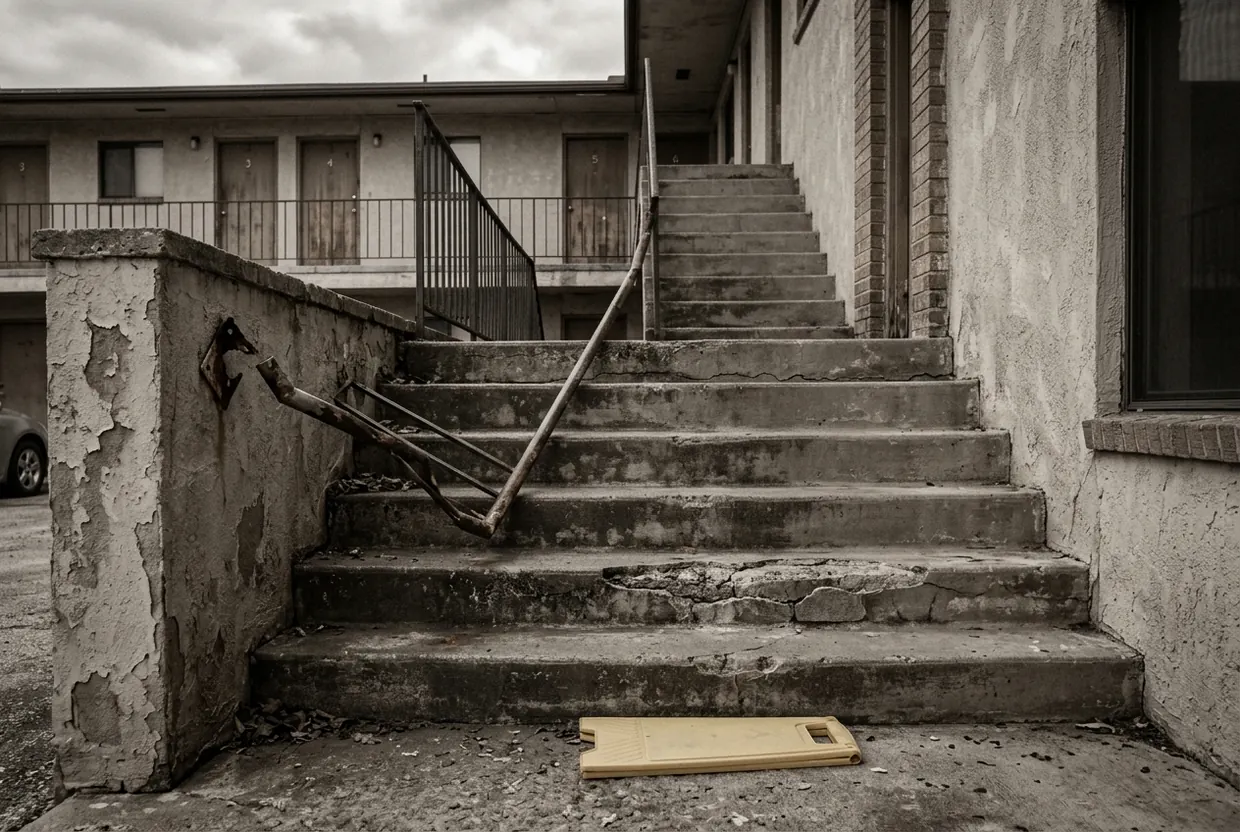
Anyone who owns, rents out or manages property in California has to keep it reasonably safe for the people who are allowed to be there. That covers stores and restaurants, apartment buildings, parking lots, offices and private homes. It does not make an owner responsible for every fall. The claim rests on showing that a dangerous condition existed, that the owner knew about it or should have discovered it, and that they did nothing reasonable to fix it or warn people before you were hurt.
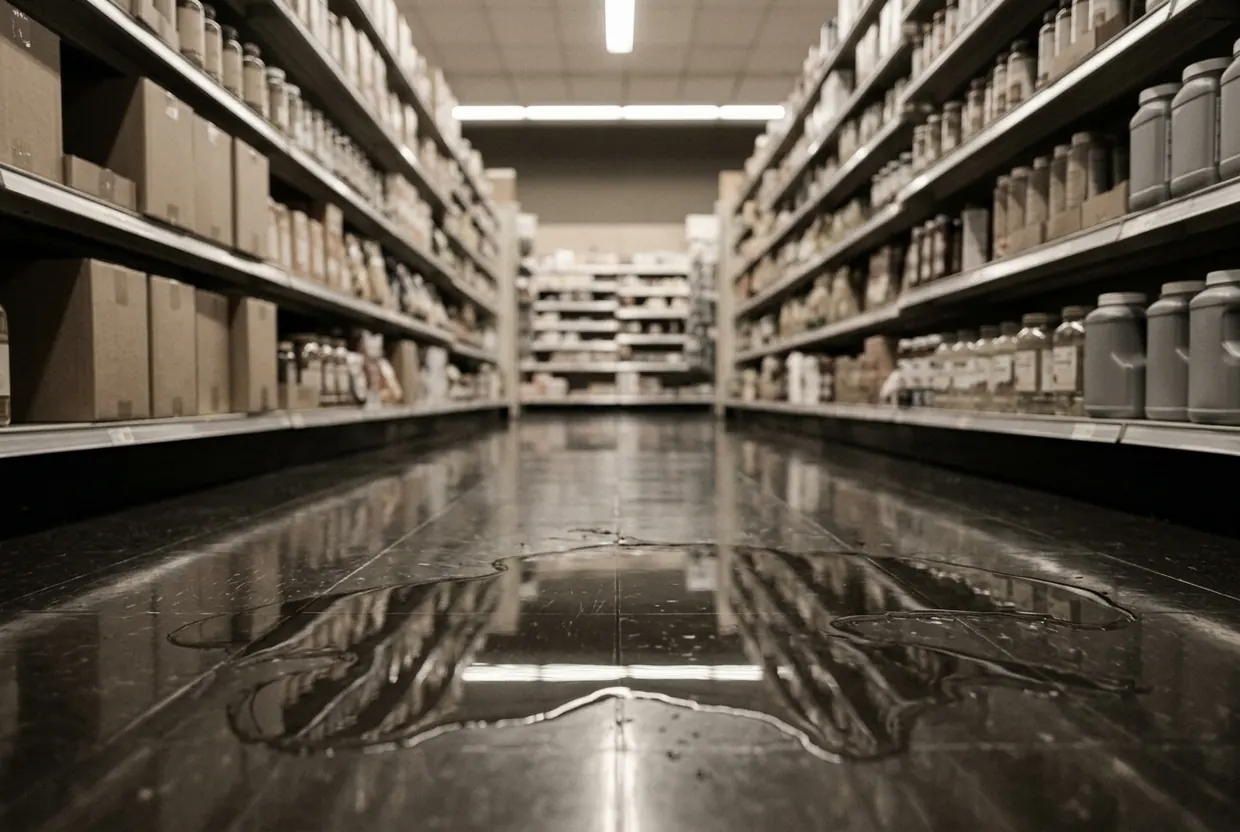
That middle part, what the owner knew and when, is where these cases are won or lost. A spill that appeared seconds before a fall is usually not the owner's fault. A spill that sat for forty minutes on camera, a stair rail tenants reported months earlier, a parking lot light logged as broken for a year: each of those turns an accident into a choice someone made.
Your own care is weighed too. If you were looking at your phone or the hazard was plain to see in daylight, California's comparative fault rule can reduce what you recover, but it rarely ends the claim. Most property claims must be filed within two years. Public property is different: a fall on a city sidewalk, at a county building or a transit stop generally requires a written government claim within six months, long before any lawsuit.
Notice
The heart of a property case.
How do you show the owner knew about the hazard?
California owners and managers must keep property reasonably safe, which includes finding hazards a sensible inspection would catch. A claim usually rests on showing they knew about the danger, or would have known if they had looked, and did not fix it or warn anyone.
Time is the evidence. A spill that sat for forty minutes on camera, a rail tenants reported nine months earlier, a parking lot light logged as broken for a year: each one turns an accident into a choice the owner made.
What to do before the scene changes
Photograph the hazard before it is mopped, repaired or roped off, along with your shoes, the lighting and any warning signs or the lack of them. Ask for the incident report and the names of the staff who responded. Keep the shoes and clothing you wore. If you rent, gather every repair request you sent. Get checked by a doctor even if the injury feels minor, and keep going to follow-ups. Then let us send the preservation letters before the footage is gone.
- Day 1
Photograph the hazard
Before it is mopped, repaired or roped off. Include your shoes and the lighting.
- Day 1
Ask for the report
Request the incident report and the names of staff who responded.
- Week 1
Footage and logs
We send a written request to keep cameras, cleaning logs and repair tickets.
- Month 1
Prior complaints
Tenant requests, earlier incidents and city code records show how long it was known.
Strong and weak claims
An honest read on the first call.
Which property injuries usually make a strong claim?
Usually strong
- A hazard reported before your fall and never fixed
- A spill or leak left long enough to be found
- Broken stairs, rails or lighting the owner was told about
- An assault in a lot with dead cameras or locks
- A dog with an earlier complaint on file
Usually harder
- A hazard that appeared seconds before the fall
- A fall with no injury that needed treatment
- Open and obvious conditions in daylight
- No photos and no witnesses
- Waiting months before telling anyone
How we answer
What the owner's insurer usually says, and how we answer it
The first answer is nearly always the same: the hazard was open and obvious, or it had only just appeared, or there is no proof anyone knew. Stores point to a cleaning schedule. Landlords say the tenant never complained. Insurers ask for a recorded statement early, hoping you will say you did not see what you tripped on.
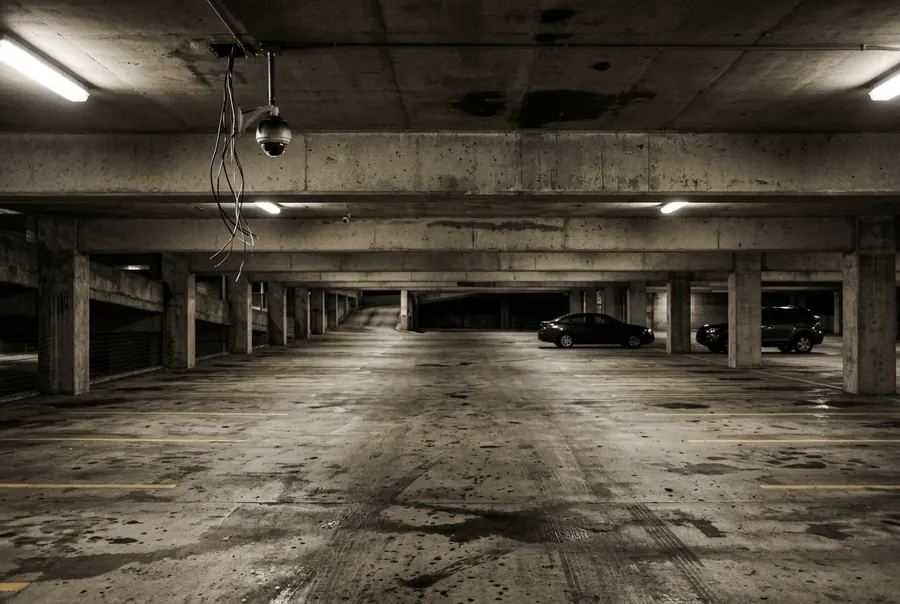
We ask for the paper the owner keeps for itself: sweep and inspection logs, maintenance tickets, earlier incident reports, tenant repair requests, code enforcement records and the camera footage from the hour before your fall. A written request to preserve that footage goes out in the first week, because most systems record over themselves. The fee is a share of what we recover, set in writing. If there is no recovery, you owe no fee and you do not repay the costs we advanced.
Deadlines and limits
General California rules.
Which deadline applies to your fall?
Most property injury claims follow the two-year rule. Public property is the exception that catches people out: a sidewalk, a library, a transit platform or a county building usually needs a written claim within six months, before any lawsuit.
| Where you were hurt | Usual deadline |
|---|---|
| Store, restaurant or private business | 2 years |
| Apartment or rental property | 2 years |
| City, county or state property | 6 months for the written claim |
| Federal property | 2 years for an administrative claim |
Your own deadline depends on the facts. Ask early.
Illustrative figures for this demo, not a study or a promise.
Who works these files

I spent years on the owner's side of these cases. The first thing I ask for now is the paperwork they hoped nobody would request.
Owen Dunn, partner. Leads workplace and dangerous property matters.
Property injuries
General information, not advice on your case.
What people ask after a fall or an injury on someone else's property.
Short answers to the questions we hear most. Property cases turn on records, so we confirm the details on your call.
Do I have to prove the owner knew about the hazard?
Usually you show the owner knew, or should have found it with reasonable inspections. Complaint records, repair logs and how long a spill sat are the usual proof.
I fell in a store. What should I ask for?
An incident report copy, the names of employees who responded, and that the store keep its camera footage. Ask in writing the same day if you can.
I slipped on public property. Is the deadline different?
Yes. A written claim against a city, county or state agency is usually due within six months, far sooner than the two years for most claims.
I was renting. Can I bring a claim against my landlord?
Often yes, especially if the hazard was reported and not repaired. Keep copies of every repair request you sent.
Does it matter that I was not watching where I walked?
It can lower a recovery under comparative fault, but it rarely ends one. Owners still have a duty to keep the property reasonably safe.
What does it cost to hire you?
A share of what we recover, in writing before we start. If there is no recovery, you owe no fee and you do not repay the costs we advanced.



Rated 4.8 over 186 reviews"They handled every call from the insurer. That alone gave me my weeks back."
Hurt on unsafe property
Tell us where it happened and what you saw. We will ask for the records that same week.
If there is no recovery, you owe no fee and you do not repay the costs we advanced.