Hurt at work in Sacramento? Comp pays part of it. Someone else may owe the rest.
Workers compensation covers medical care and part of your wages, whoever was at fault. It does not cover pain, your full lost pay or the life the injury interrupted. When an outside contractor, an equipment maker or a property owner caused the fall, a second claim can.

Two kinds of claim
You can usually pursue both.
Pays without anyone proving fault, and stops there.
- Paid by your employer's comp insurer
- No need to show who was at fault
- Medical care and part of lost wages
- Nothing for pain or daily life
- Benefits set by a state schedule
Requires fault, and covers the whole loss.
- Paid by whoever else caused the injury
- Fault must be shown with evidence
- Full lost pay and future earning loss
- Pain, sleep and daily life included
- Our fee comes from a recovery only. If there is no recovery, you owe no fee and you do not repay the costs we advanced.
The comp insurer may be repaid part of what it paid from a third-party recovery. We negotiate that repayment as part of the case.
How it works
General information, not advice on your case.
How a work injury claim works in California
Workers compensation is a no-fault system. If you were hurt doing your job, your employer's comp insurer pays for medical treatment and part of your lost wages, whether or not anyone was careless. In exchange, California generally does not let you sue your own employer for the injury. That trade is why comp pays without a fight over fault, and also why it pays less: there is nothing in it for pain, and wage benefits are capped by a state schedule.
Comp is not the only door. California law keeps your right to bring an ordinary injury claim against anyone other than your employer whose carelessness caused the harm (Labor Code 3852). On a busy site that can be a general contractor, a subcontractor who built the scaffold, the company that rented out a lift it never serviced, the maker of a machine with a guard missing, or the owner of a property with a known hazard. That third-party claim follows normal injury rules: fault must be shown, and the usual deadline to file is two years.
The two claims run side by side. The comp insurer may ask to be repaid from a third-party recovery for what it has already paid, and that repayment is negotiable. Coordinating both, and making sure the comp claim is protected while the larger claim is built, is most of the work on these files.
Who else may owe you
Beyond your employer.
Who else can be responsible for an injury at work?
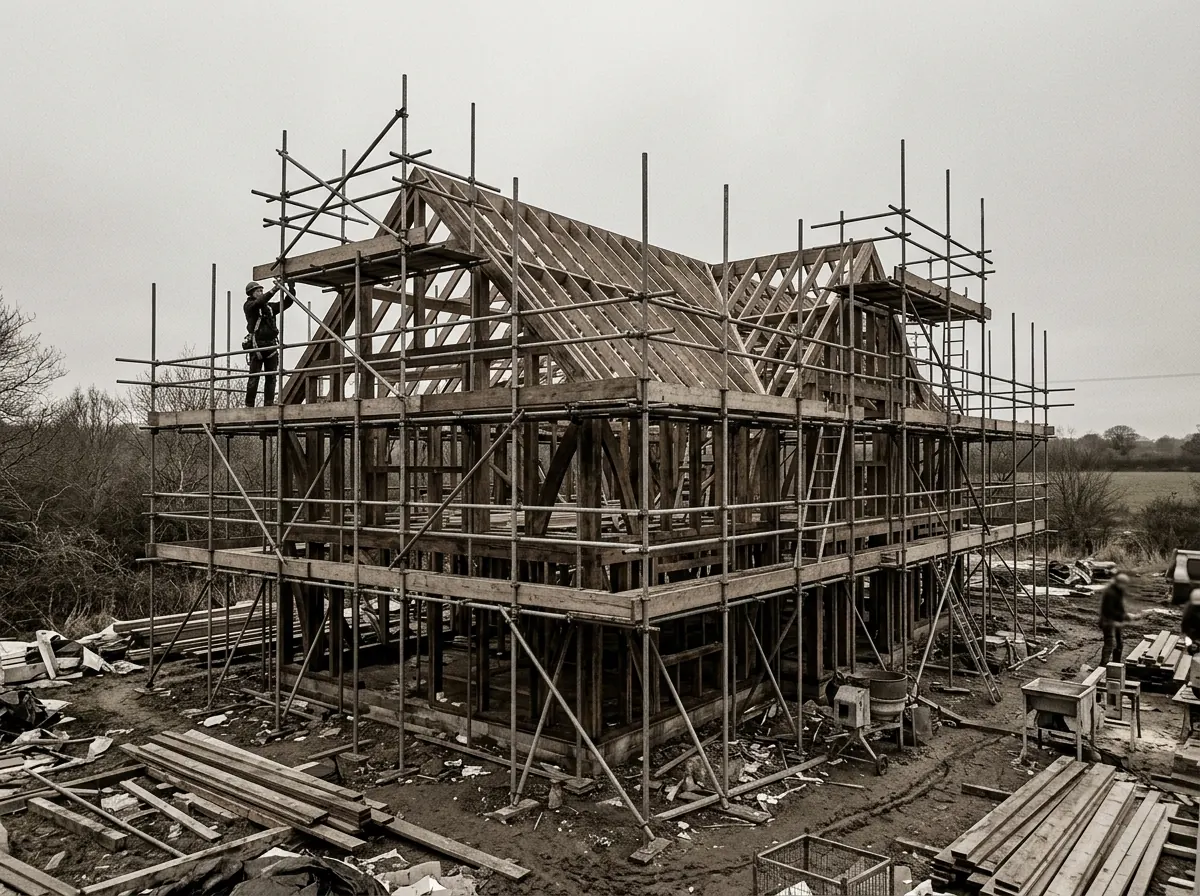
Most work sites have more than one company on them. The one that built the scaffold, rented the lift or kept the loading dock is often not the one that signs your paycheck.
- 01
A general contractor or subcontractor
Another company on site that built, moved or ignored the thing that failed. Common on construction and remodel jobs.
- 02
An equipment maker or rental company
A guard removed at the factory, a lift that was never serviced, a ladder with a known defect.
- 03
A property owner or manager
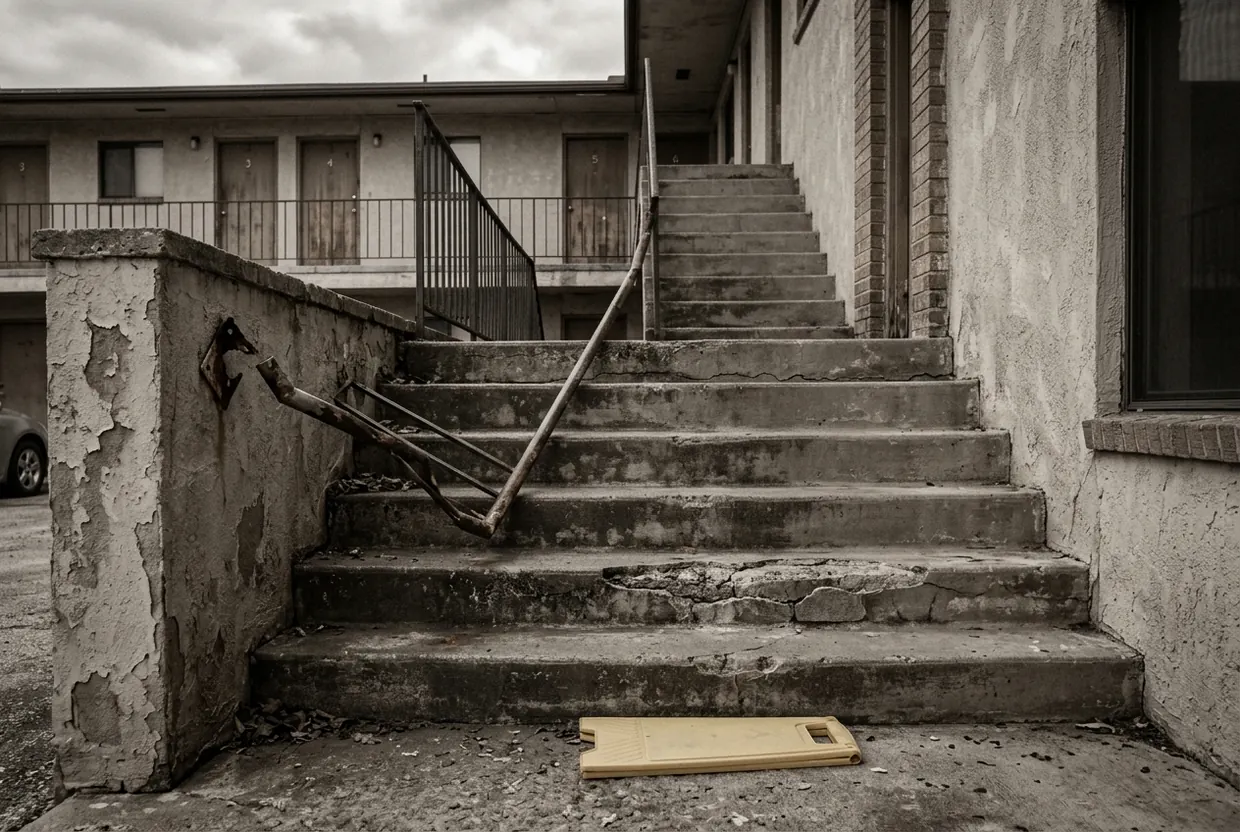
A loading dock, stairway or lot that was unsafe before your crew ever arrived.
- 04
A driver on the road
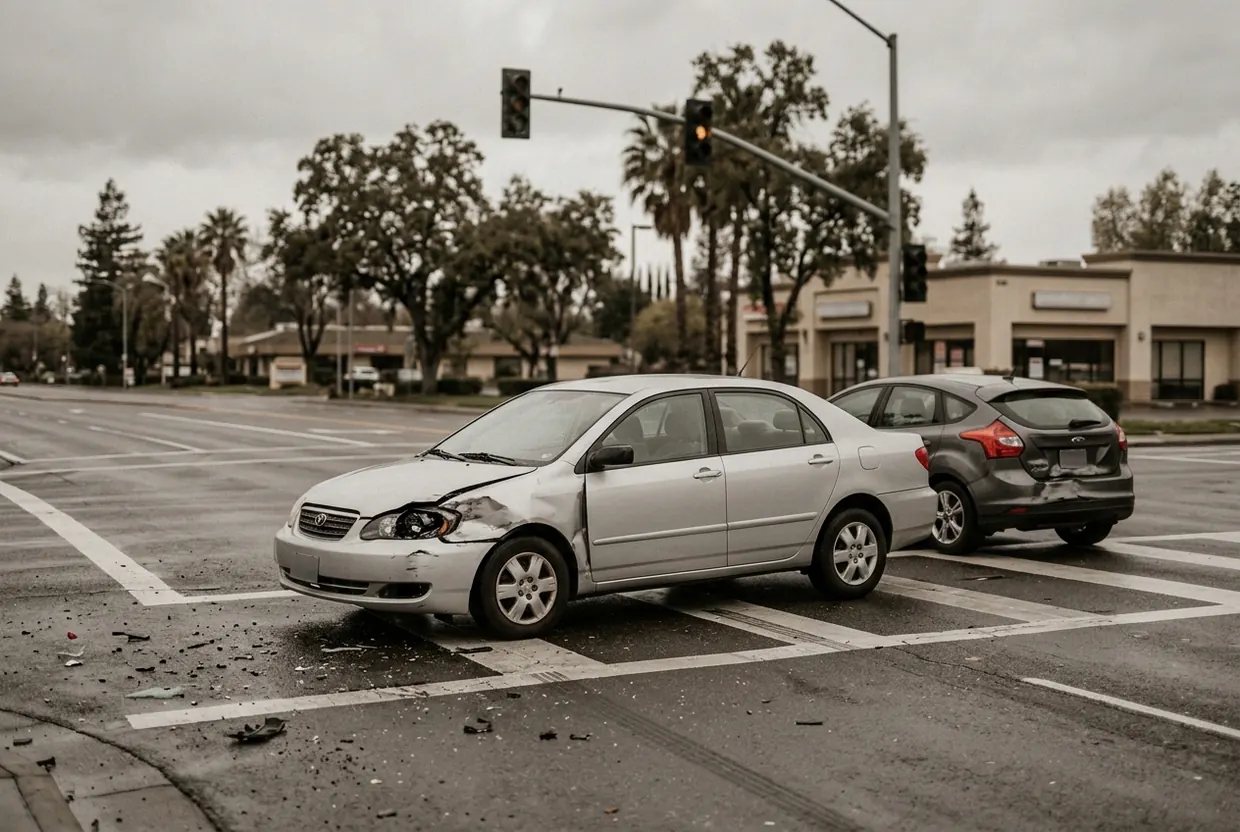
If you were hurt driving or making deliveries, the other driver's insurer can owe you as well as comp.
How we answer
What the other companies usually say, and how we answer it
Outside contractors almost always point back at your employer: it was their crew, their training, their job to keep you safe. Equipment makers point at maintenance. Property owners point at the contractor. Each argument is designed to make the injury look like a comp-only matter so that the larger claim never opens.
We start with the paper that answers those arguments: the contract that says who was responsible for the scaffold or the guard, the rental and service records, inspection logs, earlier incident reports and photographs from the day. Owen spent years on the defence side of these cases and knows which documents the other side would rather not produce. On the third-party claim our fee is a share of what we recover, in writing before we start. If there is no recovery, you owe no fee and you do not repay the costs we advanced.
Deadlines
General California rules.
Which deadlines apply to a work injury?
Two clocks run at once: the comp system's and the ordinary injury-claim clock. Missing the first can cost benefits; missing the second can end the larger claim entirely. We map both on the first call.
| Step | Usual deadline |
|---|---|
| Tell your employer about the injury | Within 30 days |
| File the comp claim form | Within 1 year |
| Third-party injury lawsuit | Usually 2 years |
| Claim against a public agency | Usually 6 months |
Your own deadlines depend on the facts. Ask early.
What to do this week
Report the injury to your supervisor in writing, keep a copy, and ask for the incident report number. Write down the names of every company that was on site that day. If equipment failed, ask in writing that it be kept as it is and not repaired or returned. Keep every appointment the comp doctor gives you, and tell each provider exactly how the injury happened. Then call us before you sign anything an outside company or its insurer sends you.
General patterns, not a promise about any case.
How a third-party recovery divides
Illustrative figures only. Every case divides differently.
Our fee is a share of what we collect, never money from your own savings, and with no recovery there is no fee. You do not repay the costs we advanced either. Here is how a typical settlement divides, before you need to ask.
Settlement of
$60,000
Pick another amount
Point at any share to read what it pays for.
You receive the fee terms in writing before we start.
Ask about your own splitWork injury questions
General information, not advice on your case.
What people ask after getting hurt on the job.
Short answers to the questions we hear most. Comp rules are detailed, so we confirm each one on your call.
Can I sue my employer for a work injury?
Usually not. Workers compensation is generally the only remedy against your own employer. A claim against someone else who caused the injury is a separate matter.
Can I get comp and a third-party claim at the same time?
Yes, in most cases. The comp insurer may be repaid part of its costs from the third-party recovery, and that repayment is negotiable.
Will filing a claim cost me my job?
California law protects workers from retaliation for reporting an injury or filing a comp claim. Tell us if you are treated differently after reporting.
What if the equipment failed?
The maker, the seller or a rental company may be responsible. Keep the equipment, or ask your employer in writing to keep it, until it can be inspected.
I was hurt driving for work. Which claim is it?
Possibly both: comp through your employer, and an injury claim against the other driver if they caused the crash.
How do you get paid on a work case?
On the third-party claim, a share of what we collect, in writing before we start. If there is no recovery, you owe no fee and you do not repay the costs we advanced.


Rated 4.8 over 186 reviews"They handled every call from the insurer. That alone gave me my weeks back."
Hurt on the job
Tell us what failed and who was on site. We will tell you whether a second claim exists.
If there is no recovery, you owe no fee and you do not repay the costs we advanced.