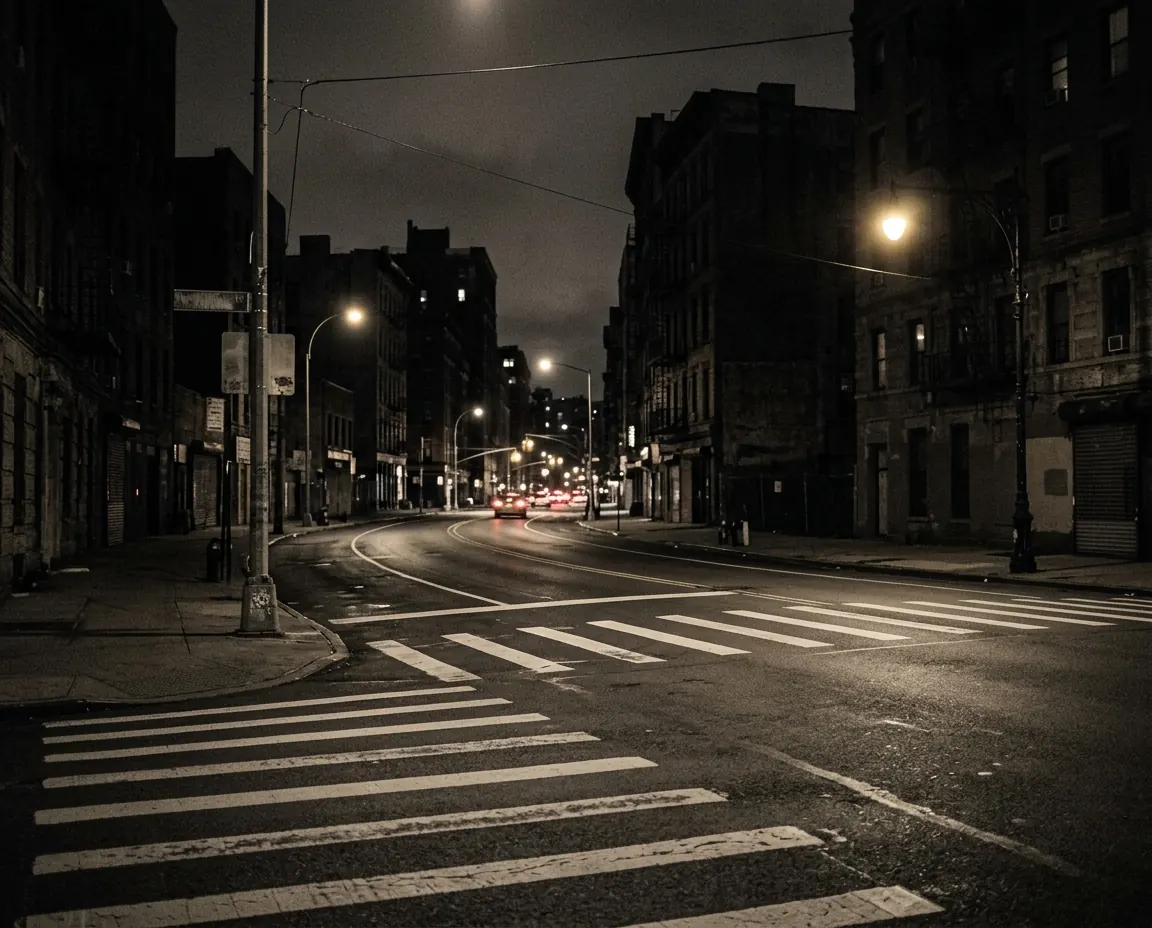
Struck while walking or riding in Sacramento? Where you were is most of the case.
Drivers often say you came out of nowhere. Signal timing, camera footage and the car's own data usually say otherwise. We gather them before they are overwritten, and we find every policy that can pay, including your own.
Did the driver leave the scene? Three things to do tonight.
- Report it nowA police report number is usually required before your own uninsured motorist coverage will pay for a hit and run.
- Find the camerasShops, buses and doorbells overwrite footage within days. Write down every camera you can see from where you were hit.
- Tell your own insurerReport the crash briefly to your own auto insurer, or a household member's, even if you were on foot or on a bike.
How it works
General information, not advice on your case.
How a pedestrian or bicycle claim works in California
A person on foot or on a bike is owed the same care by drivers as anyone else on the road, and often more: California drivers must yield to pedestrians in marked and unmarked crosswalks and must check before opening a door into traffic. When a driver fails at that and someone is hurt, the claim is made against the driver's liability insurance, just as it would be after a car crash.
The difference is coverage. A pedestrian or cyclist usually has no car of their own in the collision, so people assume there is no insurance on their side. There often is. Your own auto policy, or the policy of a relative you live with, can include medical payments coverage and uninsured or underinsured motorist coverage that follows you when you are walking or riding. When the driver has too little insurance, or drove off and is never found, that coverage can be the main source of recovery, provided the crash was reported promptly.
Fault is usually the fight. Drivers say the person came out of nowhere, crossed against the light or rode without lights. Under California's comparative fault rule a share of blame reduces a recovery rather than ending it, but the share itself has to be argued from evidence, and on these cases the evidence is mostly outside anyone's memory.
Evidence
What decides these cases.
How do you prove where you were?
Most pedestrian and bicycle cases turn on a few seconds and a few feet. Was the light green. Were you inside the crosswalk or the painted lane. Did the driver look. The person who was hit rarely remembers those seconds clearly, which is why the physical evidence matters so much.
Priya pulls signal timing from the city, requests the vehicle's event data and walks the corner at the same hour of day. Most of that has to happen in the first weeks, before footage is erased and the intersection changes.
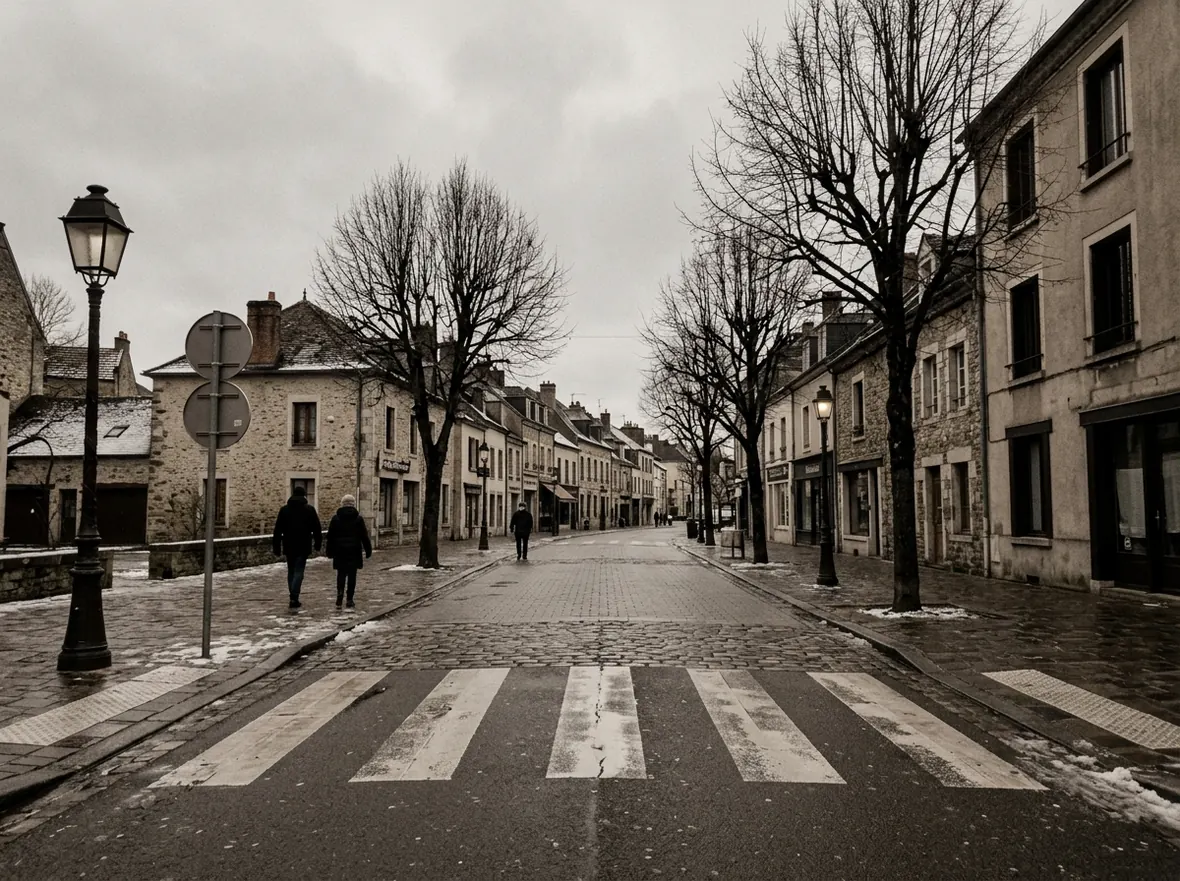
Why the first two weeks matter most
Most of the evidence on these cases has a short life. Business cameras commonly overwrite in days, a city's signal records are easier to obtain while the request is fresh, and a damaged bike or a torn jacket is evidence that tends to be thrown away. Keep everything you were wearing and riding, unwashed and unrepaired. Write down the exact corner and time. Report the crash to the police and to your own insurer, even if you were on foot, and keep every follow-up medical appointment.
Evidence that holds up
- Signal timing records for the exact minute
- Camera footage from shops, buses and doorbells
- The vehicle's event data recorder
- Photos of the scene before it is cleaned
- Names of anyone who stopped to help
What weakens a claim
- Waiting weeks before asking for footage
- Guessing at speeds or distances
- Posting about the crash online
- Skipping follow-up medical visits
- Signing an insurer's form without advice
Pedestrian and bicycle matters
Illustrative examples. Past results do not predict future outcomes.
The driver was presumed right, until the evidence came in.
$780K
Crosswalk injury, 2024Marked crossing, poor lighting. The driver was presumed right until we obtained the signal timing.
Opening offer $82,000Illustrative
$295K
Bike lane injury, 2023A door opened into a painted bike lane. Denied outright until a dashcam clip surfaced.
Opening offer $36,000Illustrative
Illustrative examples. Past results do not predict future outcomes. Each outcome depended on its own facts.
Illustrative figures for this demo, not a study or a promise.
How we answer
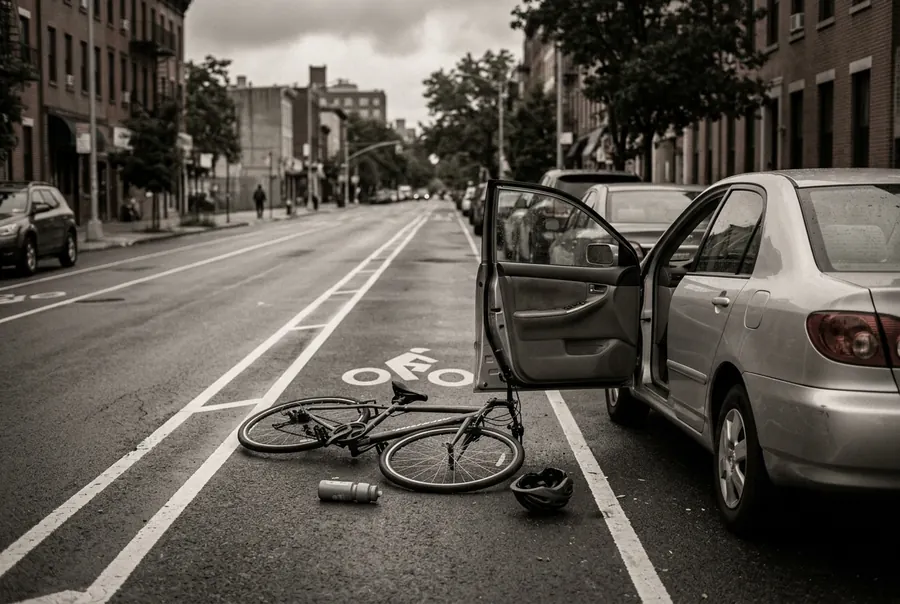
What the driver's insurer usually argues, and how we answer it
The first version on file is almost always the driver's, given at the scene while you were being treated. Insurers lean on it: you were outside the crosswalk, you were wearing dark clothes, you were looking at your phone. A helmet that was not worn will be mentioned whether or not it had anything to do with the injury.
We answer with records that do not depend on anyone's recollection: the signal timing for the exact minute, footage from shops, buses and doorbells, the vehicle's event data, the impact marks and where the debris landed. Priya walks the corner at the same hour of day to see what the driver could and could not see. The fee is a share of what we recover, agreed in writing. If there is no recovery, you owe no fee and you do not repay the costs we advanced.
Who works these files
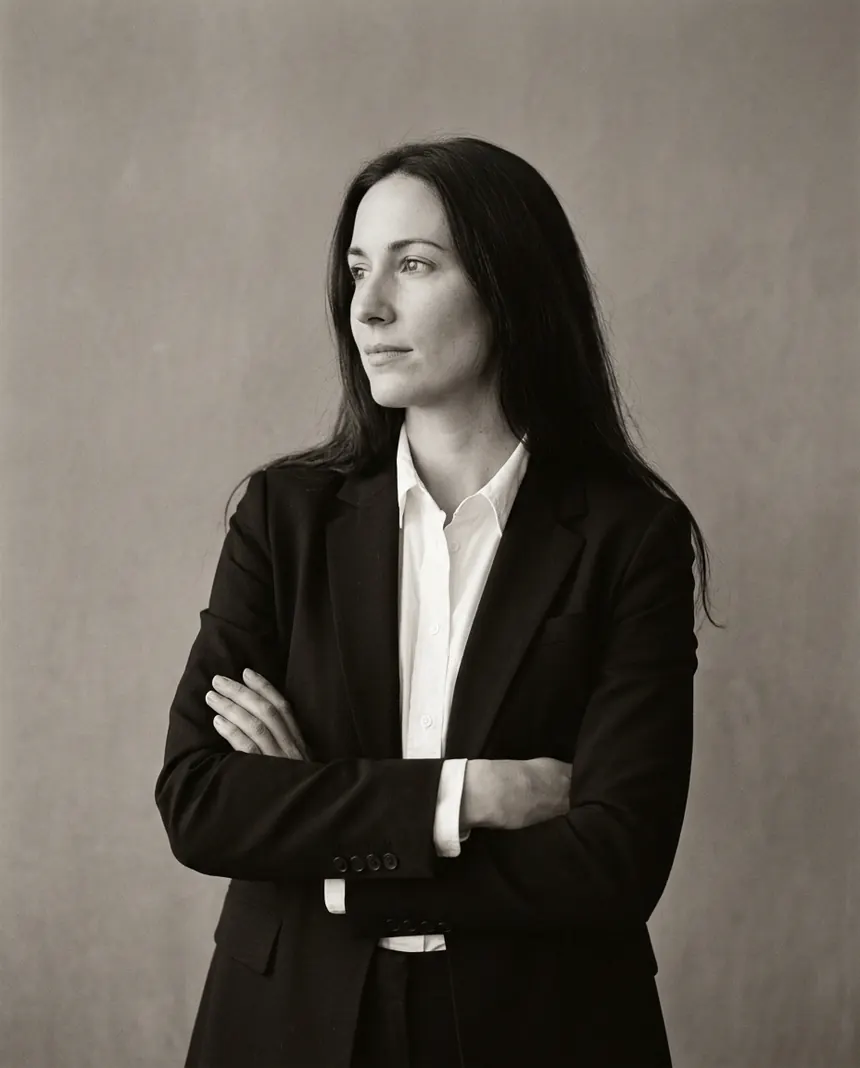
The first version of these events is almost always the driver's. My job is to get the second version, from the signal, the camera and the car, before it disappears.
Priya Castellanos, associate. Leads pedestrian, bicycle and rideshare matters. Intake in English and Spanish.
Walking and riding
General information, not advice on your case.
What people ask after being hit by a car.
Short answers to the questions we hear most. Every crossing and every corner is different, so we confirm them on your call.
The driver says I came out of nowhere. Does that end it?
No. Signal timing, camera footage, the car's data and where the impact marks are usually show where you really were.
The driver drove off. Can I still recover anything?
Often yes. Your own uninsured motorist coverage can pay when a hit-and-run driver is never found, if the crash is reported promptly.
I do not own a car. Does any insurance cover me?
A household member's auto policy may, and so may the driver's. We check every policy that could apply.
I was riding without a helmet. Do I still have a claim?
Yes. California uses comparative fault, so it can reduce a recovery only if it made an injury worse. It does not erase the claim.
A car door opened into the bike lane. Who is at fault?
California law requires drivers and passengers to check before opening a door into traffic. That usually points at the person who opened it.
What does it cost to hire you?
A share of what we recover, agreed in writing first. If there is no recovery, you owe no fee and you do not repay the costs we advanced.

Rated 4.8 over 186 reviews"They handled every call from the insurer. That alone gave me my weeks back."
Hit on foot or on a bike
Tell us the corner and the time. We will start on the cameras the same week.
If there is no recovery, you owe no fee and you do not repay the costs we advanced.