
Buy with one agent beside you from first tour to keys
Written notes after every showing, offers built from real sales, and a steady hand through inspection, appraisal and closing.
A buyer agent who reads the house, the block and the contract
Buying in Denver means reading more than a listing. Two houses on the same street can be eighty years apart in age, with different sewer lines, different roof histories and very different heating bills. Our buyer agents tour with you, point out what the photos leave out, and tell you plainly when a house is not worth an offer.
Before the first showing we sit down for half an hour and agree on what you need, what you would like, and what you will not compromise on. That short list keeps every tour focused, and it gives your agent permission to send you a home you might have scrolled past.
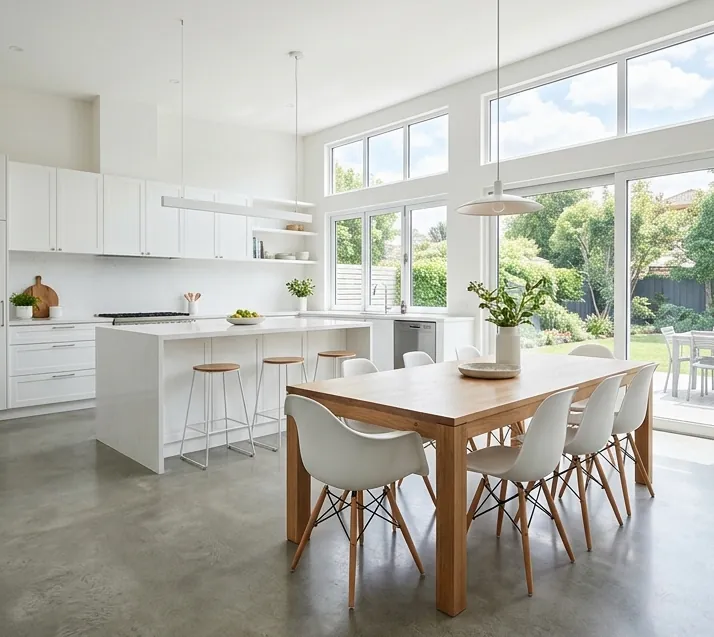
When the right house appears, we pull the recent sales around it, call the listing agent to learn what matters to the seller, and write an offer that is strong where it counts. Then we stay with you through inspection, appraisal and closing, so nothing important slips between the people involved.
Book a consultation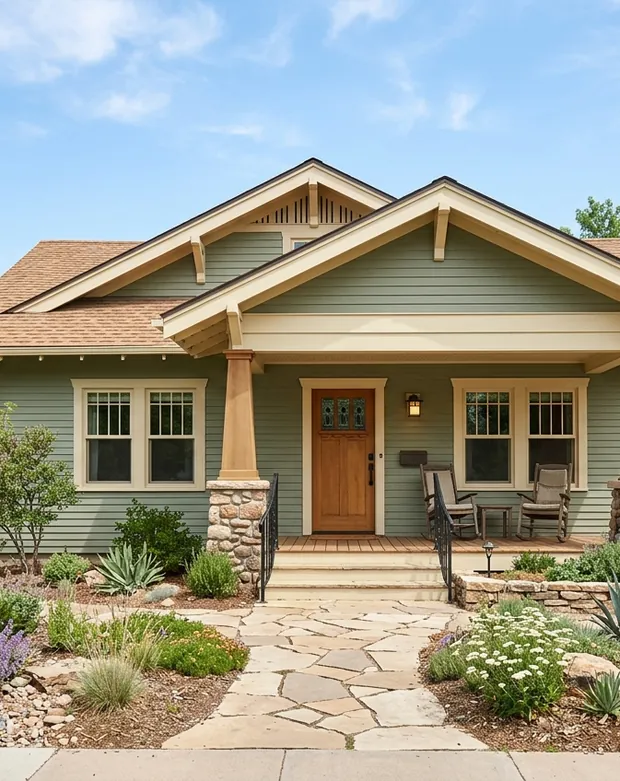
From the first call to keys in hand
- 01
Plan
A thirty-minute call about budget, timing, neighborhoods and must-haves, plus an introduction to lenders if you need one.
- 02
Tour
Private showings with written notes afterward, and live video showings when you cannot be there in person.
- 03
Offer
We price from recent sales, shape the terms around the seller and present your offer with a clear story.
- 04
Close
Inspection, appraisal, title and the final walk-through, with a weekly update until the keys change hands.
Setting a budget you can live with
A pre-approval tells you what a lender will offer, which is not always what you want to spend each month. Before we tour, we look at the full cost of owning the kind of home you are picturing: the mortgage, property taxes, insurance, association dues where they apply, and the heating and cooling bills that come with an older house or a wall of west-facing glass.
That number usually reshapes the search. Some clients move their ceiling down and buy with room to breathe; others discover that a smaller condo with low dues costs less each month than a cheaper house that needs a new roof. Either way, you tour knowing what a home really costs to live in.
Touring with a plan
We keep a running shortlist and compare every home you see against the sales around it. After each showing you get a short written note: the age of the roof, the furnace and the water heater where we can tell, anything that looked like a past leak, and the questions we would want an inspector to answer.
Those notes add up. By the third or fourth weekend most buyers can tell a fair price from a hopeful one on their own, and the decision to write an offer feels like a conclusion rather than a leap.
Writing an offer that holds up
When the right house appears, we pull the recent sales, call the listing agent to learn what matters to the seller, and talk through price, earnest money, inspection timing and the closing date with you. A strong offer is not always the highest one. A clean timeline, a solid pre-approval and sensible terms often carry as much weight.
After acceptance the calendar fills quickly. Inspection usually happens in the first week, the appraisal follows, and your lender works through underwriting while title reviews the property records. Every deadline goes on a shared calendar, and you get a written update each week until the keys change hands.
Closing day and the months after
The day before closing we walk the house with you one last time to confirm that agreed repairs were made and that nothing has changed since your inspection. At the title office your agent sits beside you, reads along, and flags anything on the settlement statement that does not match what was agreed.
Our work does not stop at the keys. We send you the names of the trades our clients have used for years, remind you when the first property tax bill and the sprinkler blowout are due, and stay a phone call away for the questions every new owner has in the first winter.
A buyer practice built on notes, not pressure
These figures are a snapshot of our buyer work over the last five years. (Illustrative demo figures.)
Two kinds of homes we read closely
Older homes, read honestly
Much of Denver was built before 1950. We know where to look for galvanized pipes, clay sewer lines, knob-and-tube wiring and foundation patches, and we recommend specific inspections when a house is old enough to need them. That knowledge saves money before the offer, not after.
On older homes we suggest a sewer scope and, where the house is old enough, an electrical review alongside the general inspection. The cost is small next to a surprise after closing, and the results often support a fair repair request.
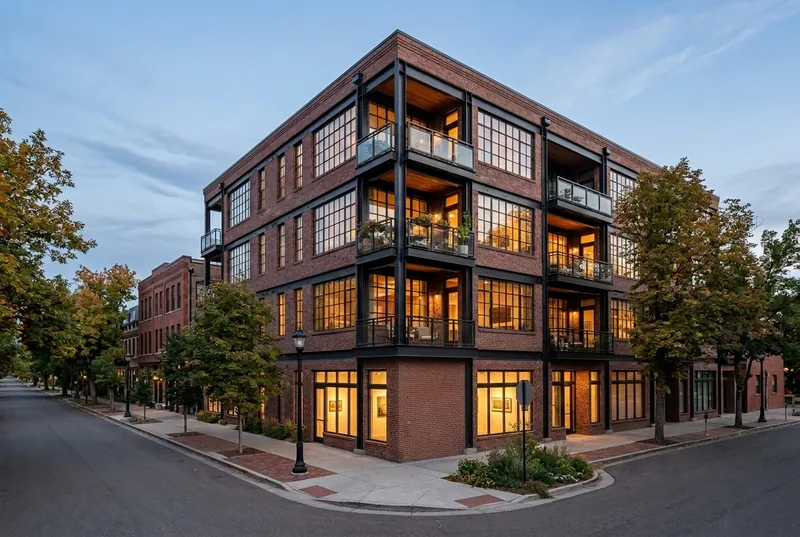
Condos and lofts, checked properly
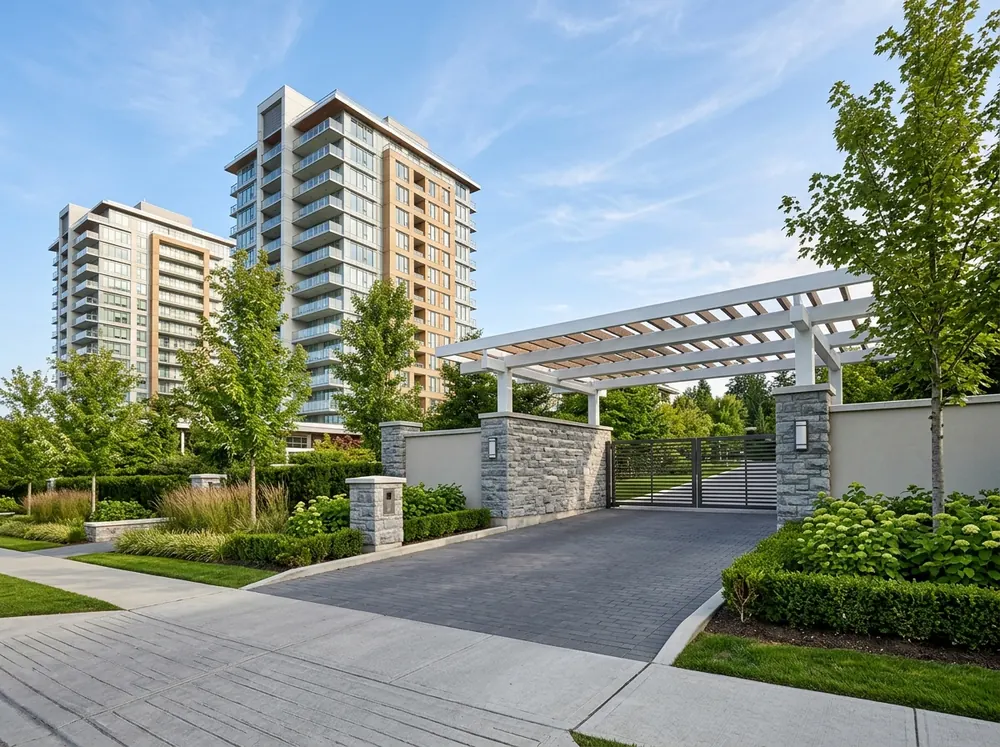
For condominiums we review the association budget, reserve study, insurance and recent minutes with you. A lovely unit in a building with thin reserves is a different purchase, and you deserve to know that before you are under contract.
We also ask how often the association has raised dues, whether any special assessments are planned, and what the building insurance excludes, so the monthly cost you plan for is the one you actually pay.

What buyers tell us afterward
Alicia M.Bought in Park Hill“I called with a question about a sewer scope at nine at night and Daniel picked up. That told me everything about how they run the office.”
Homes our buyers are touring
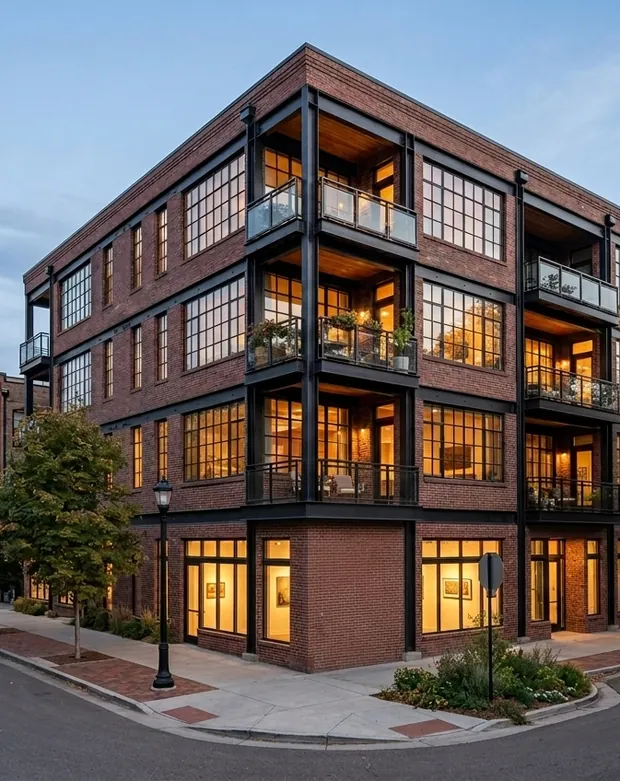
Larkspur Lofts
RiNo, Denver CO · $689,000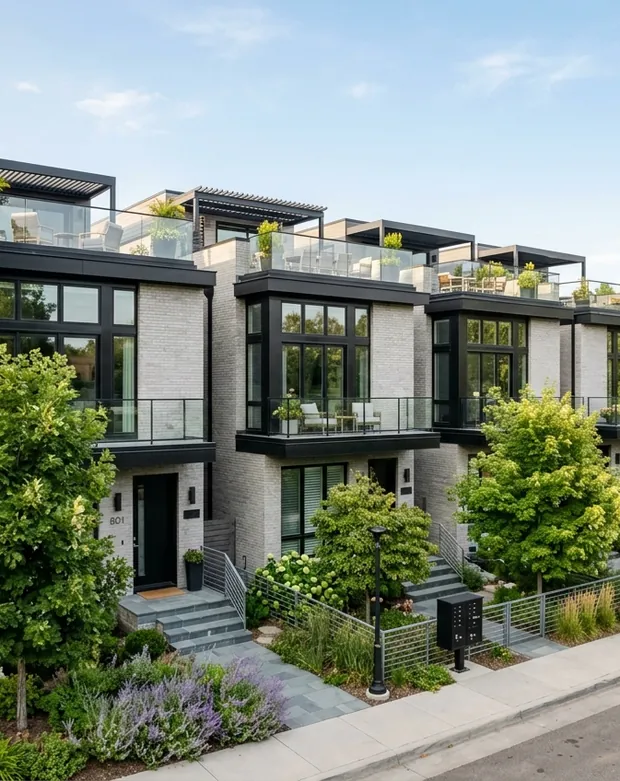
Hazelwood Court
Cherry Creek, Denver CO · $1,185,000Alder Lane Modern
Berkeley, Denver CO · $1,349,000Illustrative demo listings. Not an offer.
Buying a home: common questions
Short answers to what buyers ask us most. For anything specific to your search, call and an agent will talk it through.
(555) 318-4720All questionsIt helps. A pre-approval tells you a realistic price range and makes your offer credible. If you are early in the process, we can tour a few homes first to calibrate, then introduce you to two or three local lenders.
We agree on compensation in writing before touring together. It is often paid through the transaction, sometimes by the seller and sometimes by the buyer, and we explain every option so there are no surprises.
There is no fixed number. Some clients buy the third home they tour; others need a few months. A clear criteria list usually shortens the search.
Yes. We talk through bridge loans, contingent offers and rent-back arrangements with you and your lender so the timing works.
We read the report with you, separate the urgent from the routine, and negotiate repairs, a price change or a credit, depending on what the seller is likely to accept.
We usually advise against personal letters, because they can raise fair housing concerns and rarely change the outcome. A clean offer with clear terms, a strong pre-approval and a sensible timeline tends to speak louder than any letter.
Earnest money is a deposit that shows the seller you are committed. It is usually due within a few days of acceptance, is held by the title company and is credited toward your purchase at closing.
