Rental math you can check before you commit
Duplexes, small multifamily buildings and single rentals, modelled conservatively by a desk that has managed rentals since 2003.
Rental numbers you can rely on before you commit
Investment property is a spreadsheet before it is a house. Our investment agent builds a conservative rental model for every property you consider, with rent from recently leased homes, real tax and insurance figures, a vacancy allowance and a maintenance reserve based on the age of the building.
We work with owners buying their first rental, people turning a former home into a rental, and investors adding duplexes and small multifamily buildings. Whatever the size, the goal is the same: a property whose numbers still work in an ordinary year, not only in a perfect one.
When you buy, our property management team can take over leasing and maintenance, or we can introduce you to independent managers and contractors if you prefer to self-manage.
Book a consultation
Rental work, in numbers
Our rental and investment desk has been running since 2003, and some owners have been with us the whole time. (Illustrative demo figures.)
Where the details matter
Rent from leases, not listings
Asking rents are hopeful. We base projections on homes that have actually leased nearby, adjusted for condition, parking and outdoor space, so the model reflects what tenants pay.
Our models use rents we have actually achieved on similar homes, a vacancy allowance, a maintenance reserve and real insurance quotes. If a property only works on optimistic numbers, we tell you.
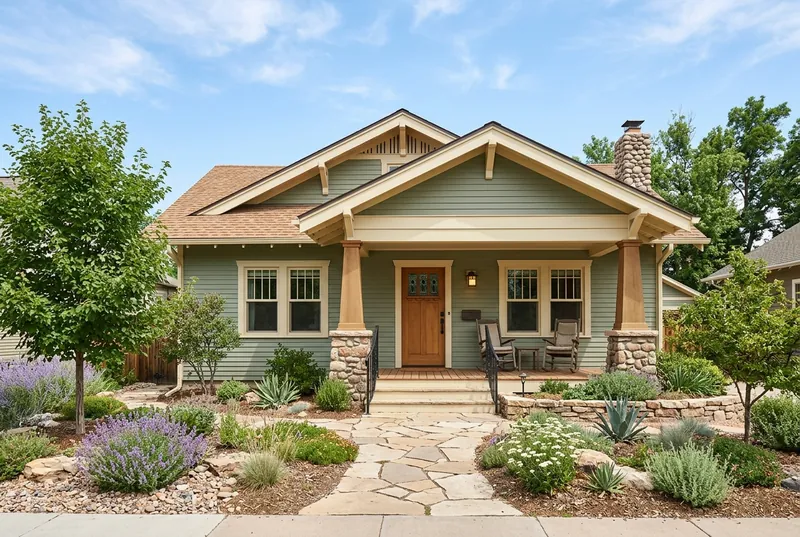
Reserves that match the building
A 1920s duplex and a 2015 townhome need very different maintenance budgets. We set reserves by age and condition so the property can absorb a water heater or a roof without a crisis.
Older duplexes often hide deferred work in their shared systems. We bring an inspector who knows small multifamily buildings and price the repairs before you write an offer.
How we evaluate a rental
- 01
Goals
We agree on your budget, target return, time horizon and how hands-on you want to be.
- 02
Model
A conservative sheet with real rents, taxes, insurance, vacancy and reserves for each candidate.
- 03
Inspect
Inspections focused on the systems that drive repair costs: roof, sewer, heating and electrical.
- 04
Operate
License, insurance and leasing set up, with management by us or a manager you choose.
What it will really earn
We start with the rent, not the price. Using recent leases for similar homes nearby, we estimate a realistic monthly rent, then subtract taxes, insurance, a vacancy allowance, routine maintenance, capital reserves and management if you plan to use it. The result is a conservative monthly figure you can compare with the mortgage.
Every assumption is written down so you, your lender and your accountant can check it. When the numbers are close, we show you which assumption moves the result most.
Living in one unit
Buying a duplex and living in one side can open financing options that a pure investment loan does not, and the second unit helps with the payment. We help you weigh the trade-offs, from shared walls to the work of being a landlord next door.
Planning for the long term
We look at the age of the roof, the furnaces and the water heaters, and plan when each will need replacing. A rental that needs a new roof in year two is a different investment, and the price should reflect it.
If you later decide to sell, our listing team works around the lease and the tenant, timing the sale to protect your income.
Financing and reserves
Investment loans usually ask for a larger down payment and carry slightly different terms than a loan on the home you live in. We introduce you to two or three lenders who finance rentals regularly, and we build the model with their actual quotes rather than a rate from the news.
We also suggest a cash reserve for the first year: enough to cover a vacancy, a failed water heater and a few months of slow rent without stress. A rental that only works when everything goes right is not one we would recommend.
Questions we ask before you buy a rental
Every investment conversation starts with your own goals: steady income, long-term appreciation, a place to live in one unit, or a mix of all three. From there we look for properties whose numbers work under ordinary conditions, with realistic vacancy, actual tax and insurance quotes, and a maintenance reserve based on the age of the roof, the sewer line and the heating system.
We also check the rules that shape a rental before you commit. That includes the city rental license and inspection, any homeowner association limits on leasing, parking requirements and whether short-term rentals are allowed at that address. When we find a promising property, the inspection focuses on the systems that drive repair costs, and we adjust the model with what the inspector finds. After closing, you can hand day-to-day operations to our property management team or run the property yourself with our list of trusted local trades.

Numbers that held up
Sam K.Invested in Lakewood“The rental numbers Marcus ran were more conservative than ours, which annoyed me at the time. A year later the duplex is performing almost exactly to his sheet.”
Investment properties: common questions
What clients ask us most about investment properties. For anything specific to your move, call and an agent will talk it through.
(555) 318-4720All questionsNo one can. We build careful projections using real data and explain the assumptions, so you can judge the risk yourself.
Denver limits short-term rentals to a primary residence with a license. We check the current rules for any property before you buy it with that plan.
It can be, especially if you live in one side. The numbers and the condition of the building matter more than the type, so we model each one.
Yes. A landlord policy differs from a homeowner policy, and an umbrella policy is often worth discussing with your insurer.
If you like. Our property management team handles leasing, rent collection and maintenance, or we can refer you to independent managers.
It varies widely with price, condition, financing and how involved you plan to be. We model each property conservatively and walk through the assumptions with you, so you can judge whether it fits your goals.
Investment loans usually require a larger down payment than a primary home. Buying a duplex and living in one unit can open more financing options; a lender can explain what you qualify for.
Yes. Selling a tenanted home takes planning around the lease and showing notices. We coordinate with tenants respectfully and time the sale to protect your income.
It depends on your budget and how hands-on you want to be. We compare rents, prices and typical repair costs across a few areas with you, using recent leases and sales rather than general reputation.
Yes. Our property management team can take over from day one, using the same rent assumptions we modelled before you bought, so the plan and the result stay connected.
Denver limits short-term rentals to a primary residence in most cases. We explain the current rules before you write an offer, so your plan is based on long-term rent unless you will live in the home.
