The model home is a sales tool. Your agent should work for you.
New communities in Wesley Chapel, Riverview, Land O' Lakes and Apollo Beach, and infill builds across South Tampa, attract buyers who want a home nobody has lived in. The sales staff in the model home are friendly and well informed, and they work for the builder. Their contract is written for the builder too.
A Vestra agent stands on your side of that table. Marcus Bell, who leads our new construction work, ran job sites for a regional builder for eight years. He knows which upgrades hold their value, where builders have room on closing costs and lot premiums, and what a pre-drywall walkthrough should reveal.
Registering your agent on the first visit to a sales center matters: many builders will not work with an agent who was not named at the start. Call us before you tour a model and we will come with you.
What we read closely in a builder contract
Builder contracts differ, and many leave buyers with fewer protections than a resale contract. These are the clauses we look at first.
- Completion date and delay terms
- Deposit amount and refund terms
- Right to independent inspections
- Warranty length and claims process
- Lot premium and grading details
- Change order pricing and deadlines
- Lender incentives and their limits
- Final walkthrough and punch list
Choosing a lot and a floor plan
In a new community, the lot often matters more than the finishes. Orientation decides how hot the back patio gets in the afternoon, and lots that back onto a pond, a road or a future phase of building carry different trade-offs. Lot premiums vary, and some are easier to negotiate than others.
Floor plans that look similar on paper can live very differently. We walk the models with you and ask practical questions: where the noise travels, how the kitchen works with guests, whether the garage fits your vehicles, and how the plan compares when it is time to sell.
We also look at what is planned nearby. Community maps, county records and the builder's own phasing plans can tell you whether open land behind the lot will stay open, and what the association fees are likely to fund as the community grows.
Three inspections, three chances to catch a problem
Municipal inspections check the code minimum. An independent inspector checks the work on your house.
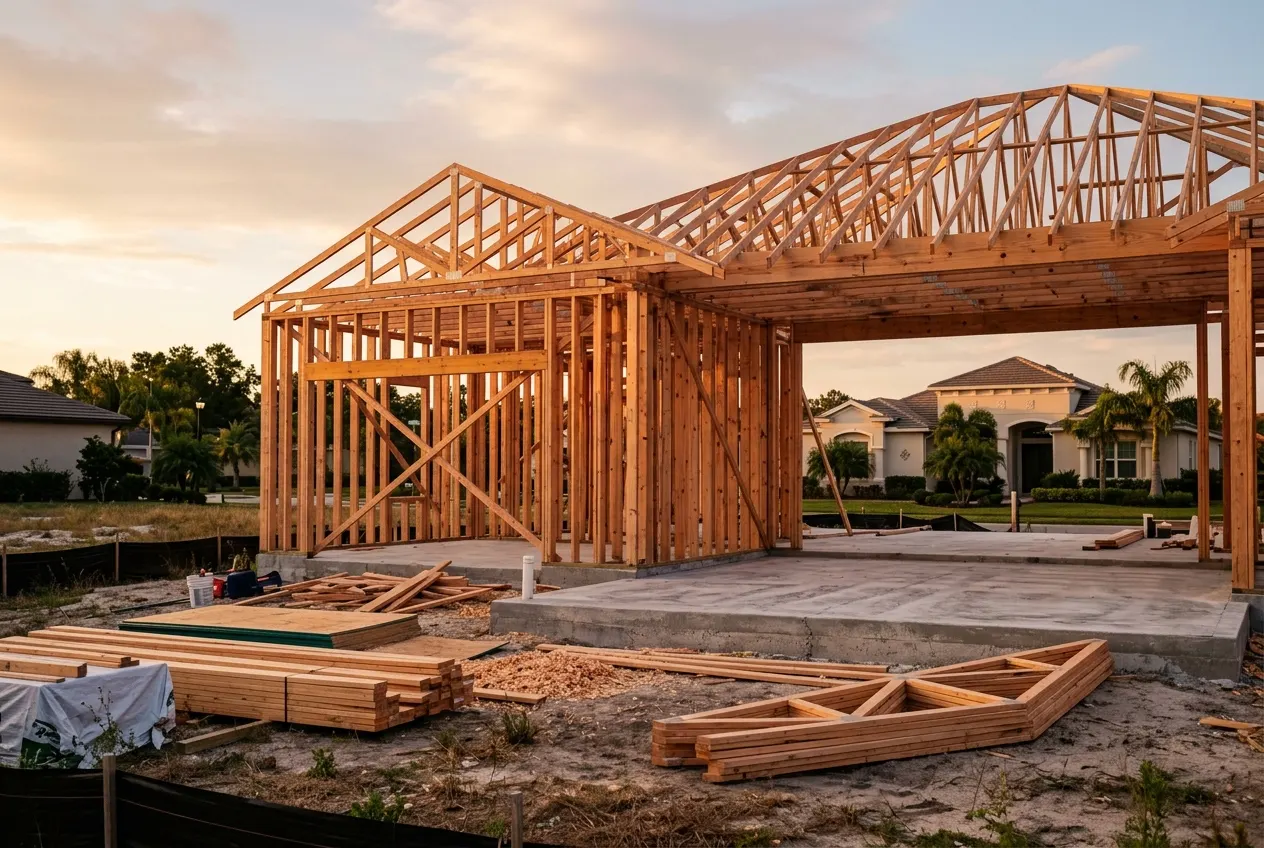
Before the slab is poured or right after, to check forms, plumbing rough-ins and drainage grading.
With framing, wiring, plumbing and ductwork exposed, the most useful inspection of the build.
Before closing, a full inspection with a written punch list for the builder to complete.
Before the one-year warranty ends, a check for settling, leaks and anything that has failed since move-in.
Builder incentives, and how to compare them
Builders often offer incentives to close a sale: help with closing costs, a lower rate through their preferred lender, upgrade credits or a reduced lot premium. They can be worth a lot, but they are not all equal, and some only apply if you meet conditions buried in the contract.
We put each incentive into one number you can compare. A closing cost credit is easy to value. A rate buydown is worth more or less depending on how long you keep the loan. An upgrade credit is only as good as the price of the upgrades it pays for. Once each one is in dollars, you can weigh the builder's package against a lower price or an outside lender.
Timing matters too. Incentives often change at the end of a month or a quarter, or when a phase is nearly sold out. Your agent keeps an eye on the communities you are considering and tells you when the terms shift, so you can decide when to commit rather than feeling rushed by a sales deadline.
Closing day and the first year in a new home
New construction closings often move on the builder's schedule, with the final walkthrough only days before signing. We book your independent final inspection early, so the punch list is in the builder's hands with time to finish the work.
After you move in, keep a running list of anything that settles, cracks, leaks or stops working. Builders usually handle warranty requests in batches, and a clear list with photos makes the visit faster. Your agent can help you follow up if a request stalls.
The eleven-month inspection is worth booking on your calendar the day you close. It gives you a professional view of the home before the first-year warranty ends, while fixes are still the builder's to make.
Buying new, asked and answered
Short answers on builder purchases. Contract terms vary by builder, so read yours closely. See also Buying a home, Relocation and a new build for sale.