The short answer
Try it yourself when the worst outcome is cosmetic, the job needs tools you own and one trip to the store, and no permit is involved. Call a pro when water, electricity, gas or overhead weight is in play, or when a mistake would cost more than the visit.
What happens if the job goes wrong?
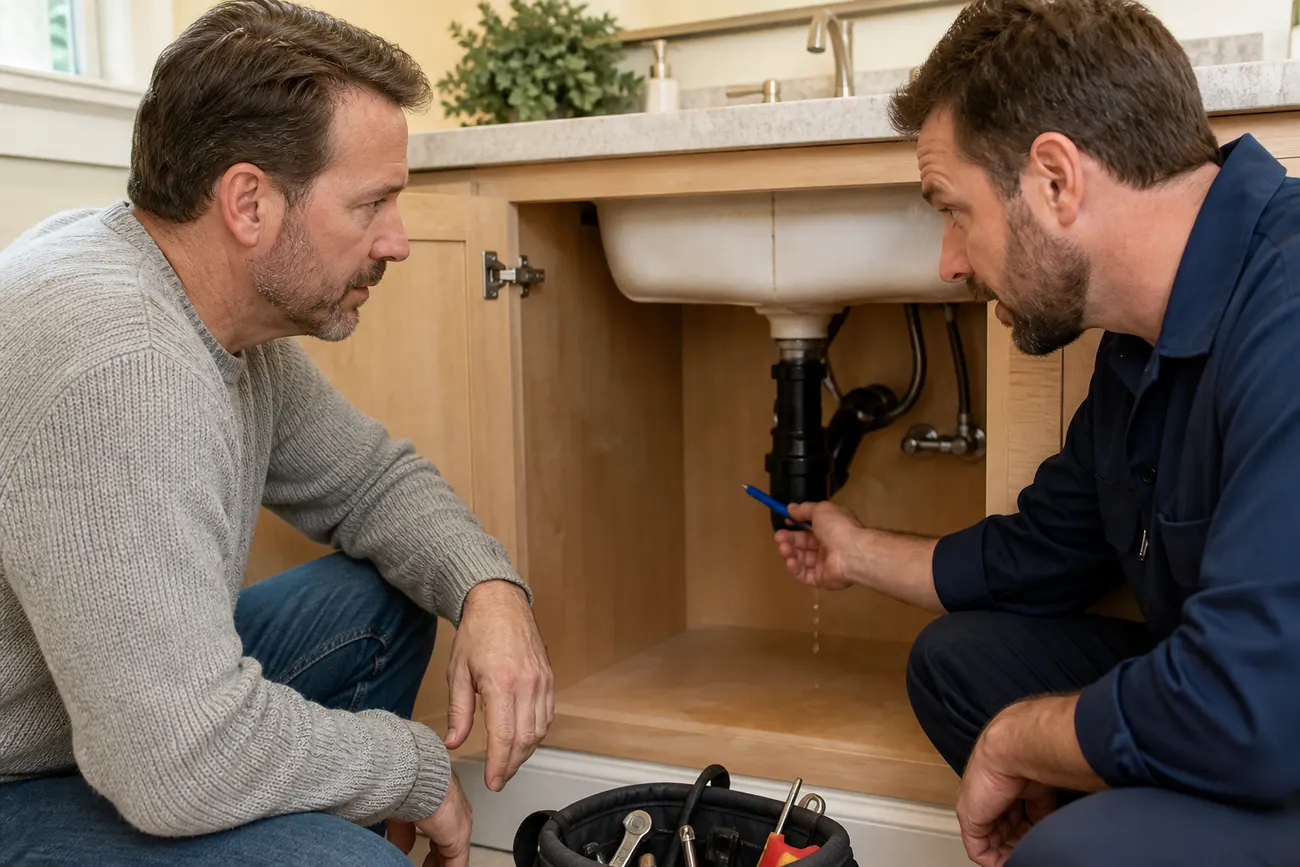
Start with the downside, not the task. A crooked picture costs you a nail hole. A loosened compression fitting under a sink can soak a cabinet floor before you notice. We sort jobs by what failure looks like, not by how hard the job sounds.
How much is your weekend actually worth?
Count the whole job: the tutorial, the tool you will use once, the second trip for the right size fitting, and the cleanup. A single visit that clears five small jobs often costs less than the Saturday it saves.
Illustrative figures based on typical Wake County visits, not a study.
Which jobs need a permit or a licensed trade?
In North Carolina, new circuits, moved plumbing lines, water heaters and structural changes generally need a permit and a licensed contractor. Skipping that step can complicate an insurance claim or a home sale later. Your county inspections office can confirm.
Usually fine to DIY
- Swapping a faucet on existing supply lines
- Replacing a light fixture on an existing box
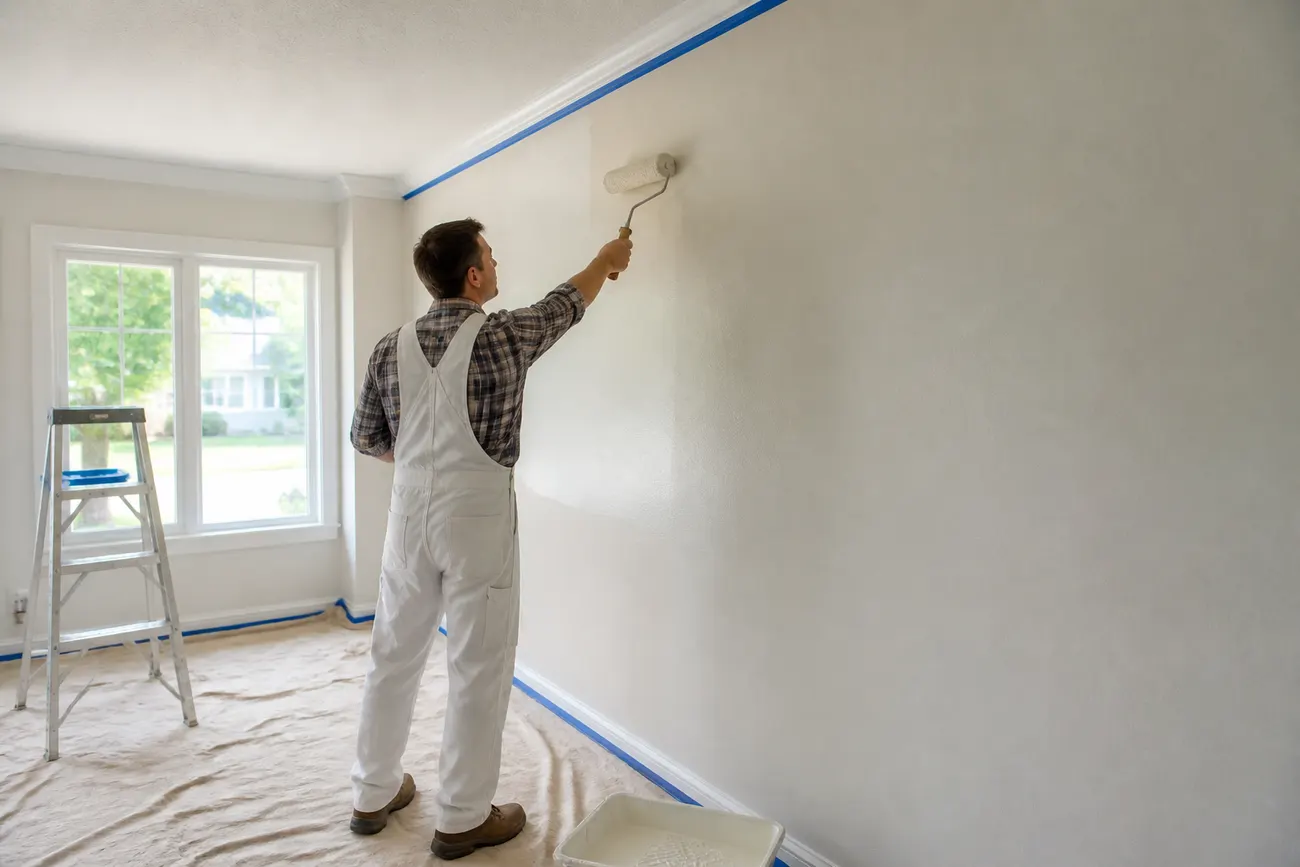
- Patching drywall and repainting
- Changing a toilet flapper or fill valve
Permit or licensed trade
- Adding a new circuit or outlet
- Moving supply or drain lines
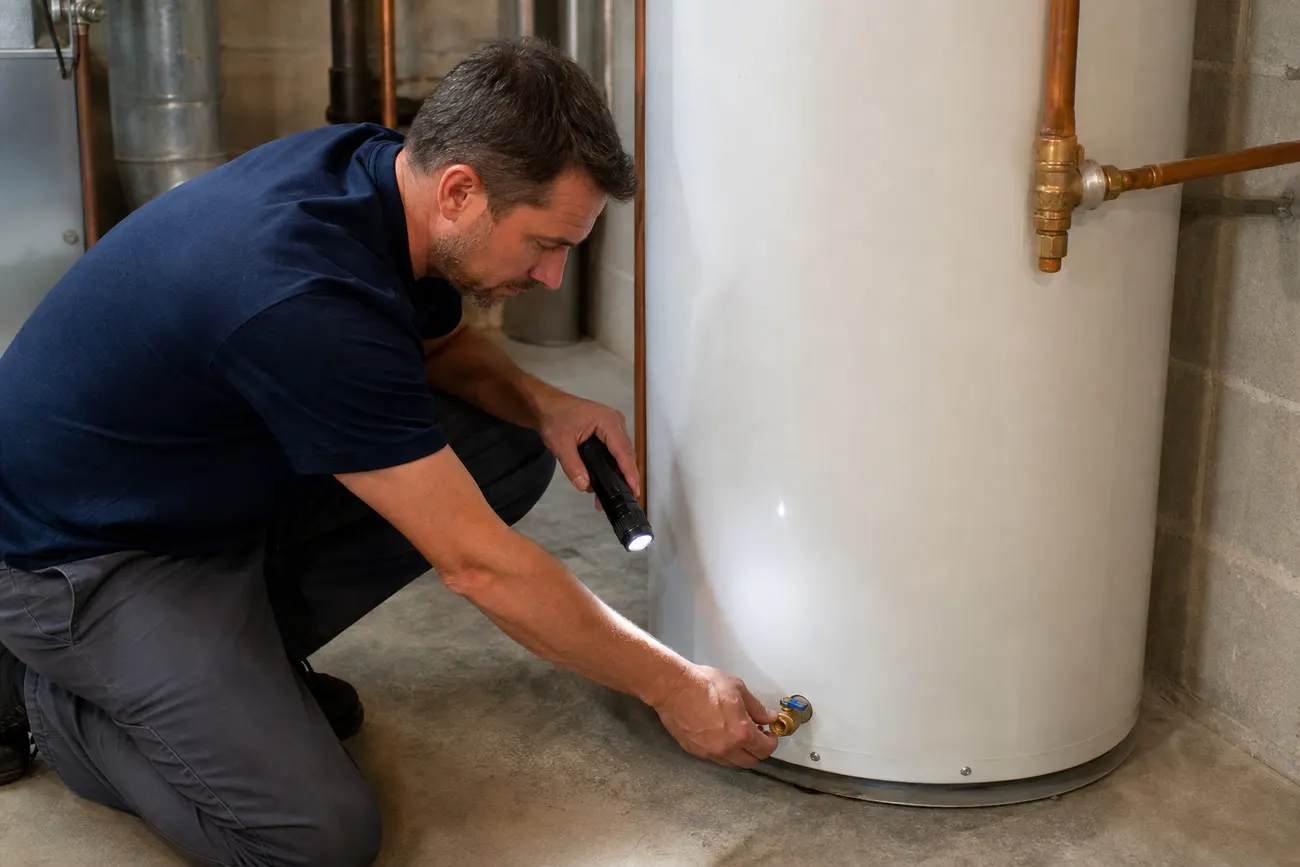
- Replacing a water heater
- Cutting or removing a wall stud
Can you finish it in one trip?
Half-finished repairs are where small problems grow, like an unprimed patch or a toilet that runs for a week while you wait on a part. Run this quick test before you start.
- 01
List every part
Write down model numbers and sizes before you shop, or take the old part with you.
- 02
Check your tools
If the job needs a tool you will use once, price a visit first.
- 03
Plan the shutoff
Know which valve or breaker isolates the job, and test it before you begin.
- 04
Set a stop time
If it is not working by then, leave everything safe and send us photos.
What does a pro visit usually cost for these jobs?
| Job | DIY parts | Hollis visit |
|---|---|---|
| Faucet swap | $60 to $180 | $129 to $240 |
| Toilet fill valve | $15 to $30 | $129 to $189 |
| Light fixture swap | $40 to $250 | $145 to $210 |
| Drywall hole patch | $20 | $165 to $290 |
| TV wall mount | $40 to $120 | $99 to $189 |
Illustrative 2026 ranges for Wake County. Your written quote is firm before work starts.
The gap is smaller than most people expect once you add a tool purchase or a second attempt, and a visit comes with a one-year workmanship warranty.
Where do most DIY jobs go sideways?
A lot of our repair calls are the second attempt at a job, not the first. The fix is usually simple; the cleanup is what costs.
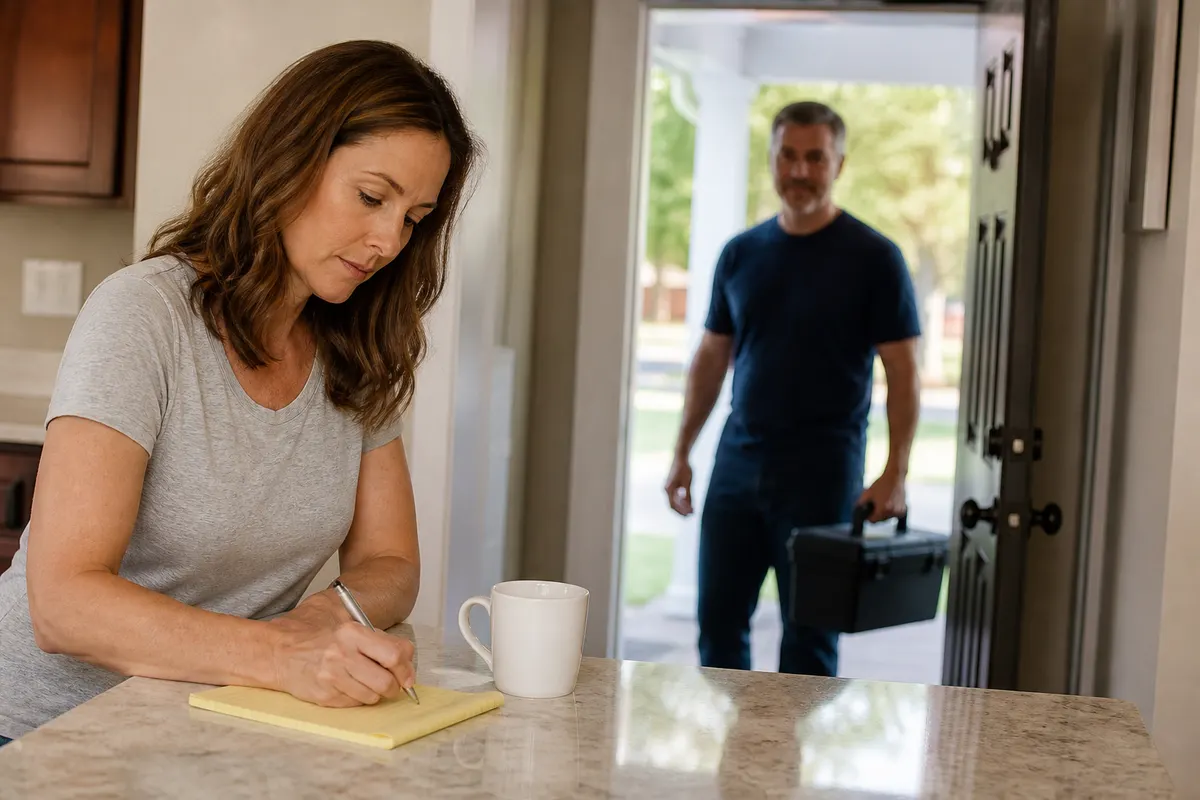
Not sure where your job lands? Send the office a photo and we will tell you whether it is a weekend project or a visit, even when the answer is that you do not need us.
What else do homeowners ask?
For cosmetic jobs with tools you own, usually yes. Once a job needs a new tool, a second attempt or a repair to damage, a visit often costs about the same.
A handyman can swap fixtures and devices on existing wiring. New circuits, panel work and rewiring need a licensed electrician.
Close the valve under the fixture or the main shutoff, move valuables away from the water, and take a photo. Then call.
Yes. Have them on site before the visit. We check the box first, and our labor warranty covers the install.
Anything that adds or moves wiring, plumbing or gas, or changes structure, generally does. Your county inspections office can confirm.