The short answer
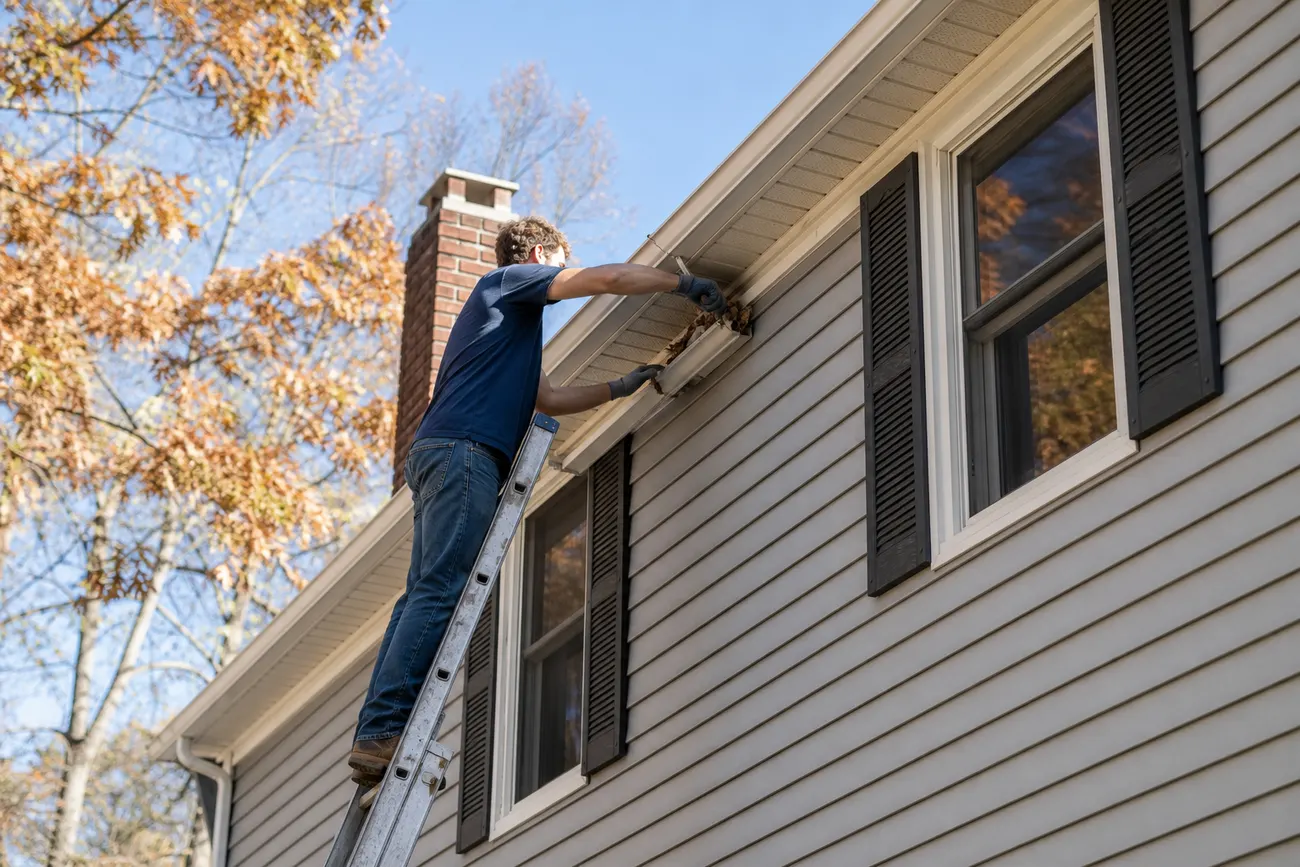
In October and November, clear the gutters after the leaves drop, extend downspouts four to six feet from the foundation, re-caulk gaps around windows and doors, swap the HVAC filter, test smoke and CO alarms, and drain outdoor spigots before the first hard freeze.
What belongs on a fall home checklist?
Fall is the best time to catch the small things before winter rain and the occasional January freeze find them. Most of this list takes an afternoon.
The fall list
- Clean gutters and flush downspouts
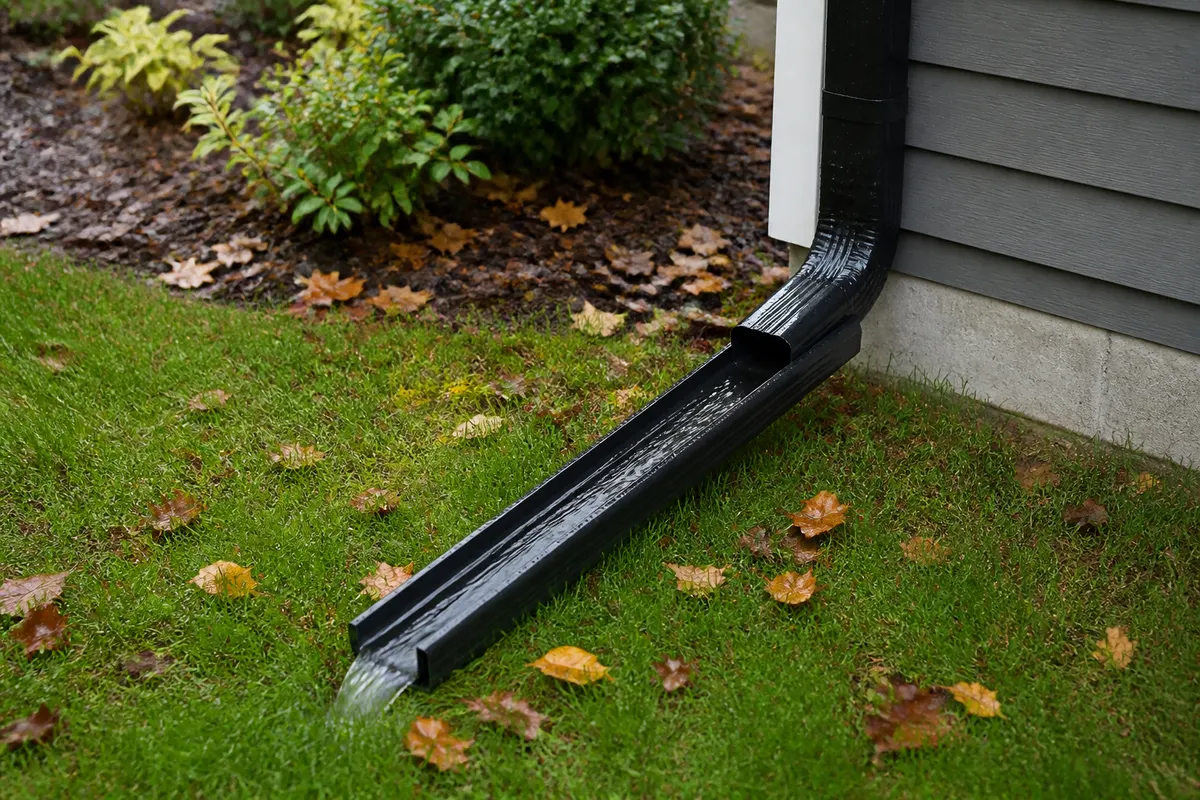
- Extend downspouts away from the foundation
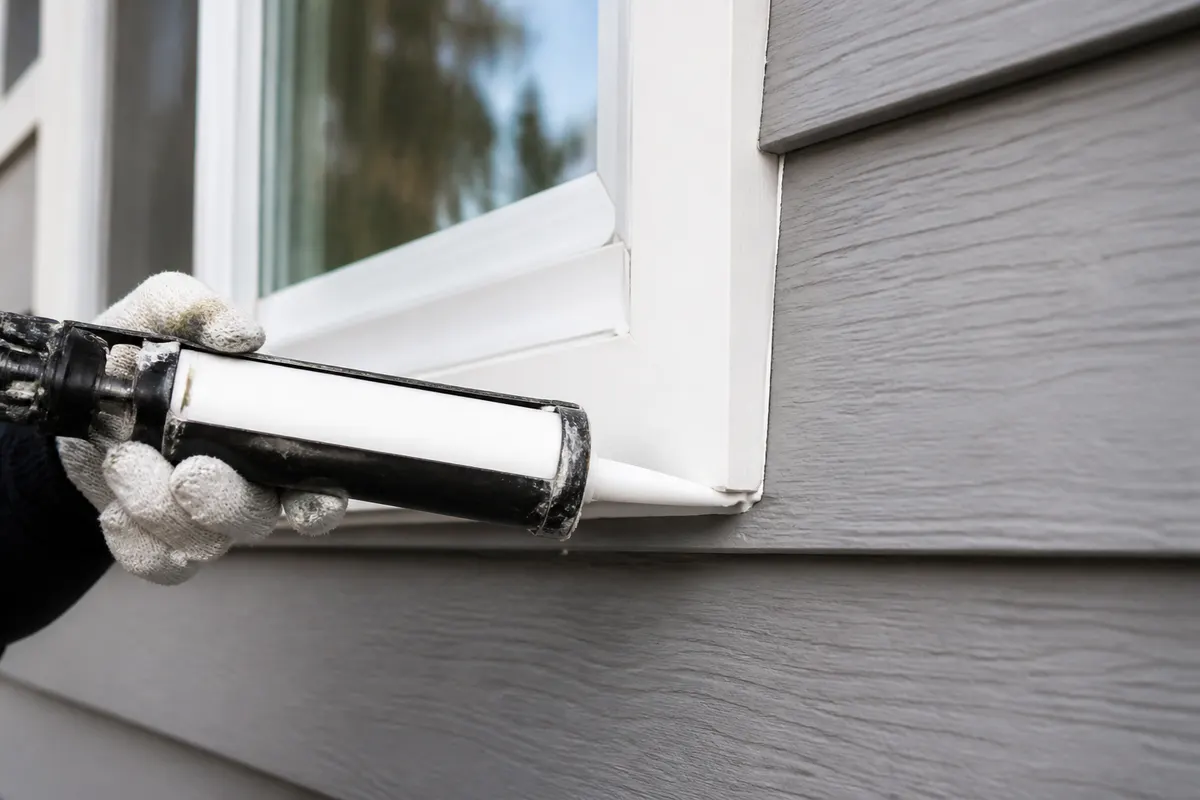
- Re-caulk window and door trim gaps
- Replace worn door sweeps and weatherstripping
- Change the HVAC filter
- Test smoke and carbon monoxide alarms
- Drain and cover outdoor spigots
When should you clean the gutters?
Wait until most leaves are down, usually mid to late November in Wake County. Cleaning too early means doing it twice.
Gutters that overflow in heavy rain send water straight down beside the foundation, which is how crawlspaces get damp and mulch beds wash out. If water pours over the front lip, check the downspout outlet first; one clog at the bottom elbow causes most of it.
How do you find the gaps that need caulk?
- 01
Pick a cool evening
Drafts are easiest to feel when it is colder outside than in.
- 02
Trace the trim
Run the back of your hand around windows, doors and outlets on exterior walls.
- 03
Mark the gaps
Use painter's tape so you can find each spot again in daylight.
- 04
Cut out old caulk
Remove cracked caulk fully before you apply a new bead.
How often should the HVAC filter change?
| Filter | Typical rating | Change every |
|---|---|---|
| Basic fiberglass | MERV 1 to 4 | 30 days |
| Pleated | MERV 8 | 60 to 90 days |
| High-efficiency pleated | MERV 11 to 13 | 90 days |
| Homes with pets or allergies | MERV 8 to 11 | 45 to 60 days |
Write the date on the filter frame when you install it. It is the easiest way to stop guessing.
If you have a return grille in a hallway ceiling, the filter may live there rather than at the furnace. Check both before you buy, and keep two spares on the shelf so a change never waits on a store run.
What does a seasonal visit cost compared with doing it yourself?
| Task | DIY cost | Seasonal visit |
|---|---|---|
| Gutters, single story | $0 plus a ladder | Included |
| Caulk, 6 to 8 windows | $25 | Included |
| Filter and alarm checks | $20 to $40 | Included |
| Whole visit | An afternoon | $189 to $289 |
Illustrative 2026 ranges for a typical single-story home.
Illustrative figures based on typical Wake County visits, not a study.
What do homeowners most often miss?
The spigot. Every January we replace a few that split because nobody drained them in November.
Close the interior shutoff to each outdoor spigot, open the spigot to drain it, and leave it open over winter. A foam cover adds cheap insurance.
What else do homeowners ask?
Late October through November, after most leaves are down and before the first hard freeze.
Four to six feet from the foundation is a good target, sloping away from the house.
Most exterior caulks need 40 degrees or warmer to cure. Pick a mild afternoon and check the tube label.
Yes, from ladders. We do not walk steep or wet roofs, and we reschedule during storms or high wind.
If you would book spring and fall visits anyway, the plan saves about 10 percent and adds priority scheduling.