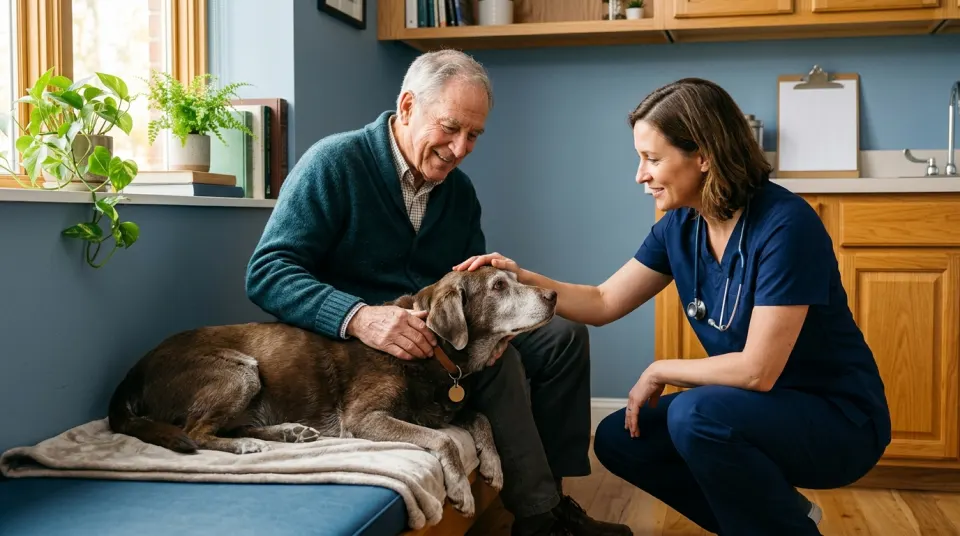
The slower years,kept comfortable.
Older pets change quietly. Twice-yearly exams, early screening and a plan for comfort at home help the slower years stay good ones, with visits that move at their pace.
- Exams
- Twice a year
- Screening
- Bloodwork and blood pressure
- Visit length
- About 50 minutes
The short answer
When is a pet a senior?
Most cats and dogs count as senior around seven, and large breeds sooner. From then on, six months is a long time in their lives.
A dog or cat ages several years for every one of ours, so changes that would take a person years can happen between two annual visits. Kidney values creep, joints stiffen and a heart murmur appears. Seeing them twice a year means we catch those changes while there is the most we can do.
Figures are illustrative for a fictional practice.
Screening by age
What we add as the years go on.
Screening finds problems before they show at home. We add tests gradually, and only the ones that will change what we do.
| Age | At each exam | Once a year | If something changes |
|---|---|---|---|
| 7 to 9 | Weight, mobility, blood pressure | Bloodwork and urine test | Thyroid check for cats |
| 10 to 12 | Mobility score, dental check, eyes | Bloodwork, urine and thyroid | Chest x-rays, heart check |
| 13 and up | Comfort review, weight, joints | Bloodwork every six months | Whatever helps the plan, nothing more |

From Dr. Mercer
Comfort at home matters as much.
"Most of what makes an old dog or cat comfortable happens at home, not here. We send every senior pet home with a short plan, and I am happy to look at photos of your stairs and floors if it helps."
- Rugs or runners on slippery floors
- A ramp or step to the bed and car
- Water bowls on every floor of the house
- Shorter, more frequent walks
- A low-sided litter box for older cats
What we watch
Six things that change first.
These are the changes we see most in older pets. Most can be slowed, eased or managed when we catch them early.
- 01
Joints and muscle
Stiff mornings, slower stairs and a reluctance to jump. Pain relief, weight control and small changes at home help a lot.
- 02
Kidneys
Drinking and peeing more is often the first sign, especially in cats. Bloodwork usually shows it before you do.
- 03
Weight, in either direction
Weight gain loads the joints, while weight loss can point to thyroid, kidney or dental trouble.
- 04
Teeth
Older mouths hurt more and show it less. A sore mouth can look like a picky eater.
- 05
Heart and blood pressure
We listen at every exam and measure blood pressure, which matters most for older cats.
- 06
Mind and sleep
Night pacing, staring at walls or getting lost in the house can be signs of age-related confusion, and there is help for it.
What it costs
Senior care, priced plainly.
Twice-yearly visits cost more than one, and they also catch things while they are cheaper to manage.
Is it just old age, or is something wrong?
Often both. Slowing down is normal, but pain, kidney changes and thyroid trouble also look like "just getting old". An exam and simple tests tell them apart, and many of them can be helped.
Is my older pet too old for a dental cleaning?
Not automatically. We look at bloodwork and the whole pet, plan anesthesia for their age and monitor them throughout. A sore mouth can make an older pet quieter and thinner, and treating it often brings back appetite.
My cat drinks a lot more water lately. Should I worry?
It is worth a visit soon. Increased thirst in an older cat often points to kidney, thyroid or blood sugar changes, and all of them are easier to manage when found early.
Do you help with end-of-life decisions?
Yes. We talk honestly about quality of life, help you think about timing and, when the time comes, make it as calm as we can for your pet and your family.
Client words
What clients say
Nobody rushed Bear onto the table. Dr. Mercer sat on the floor with him and we made the whole plan from there.
Twice a year felt like a lot until the bloodwork caught Lulu's kidneys early. She is on a diet change and doing well.
Sample reviews, illustrative for a fictional practice.
More of our care
Other ways we can help.
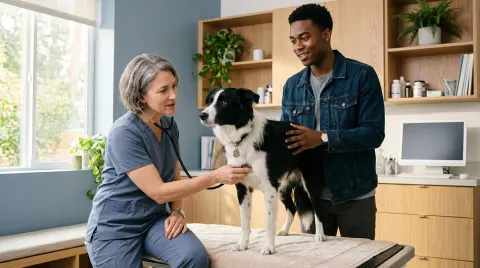 Wellness examsA nose-to-tail check once or twice a year, with time for every question you have been saving up.
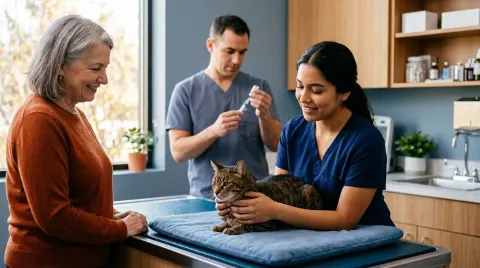 Vaccines and parasite careA schedule built around how your pet actually lives, from the indoor cat to the trail dog.
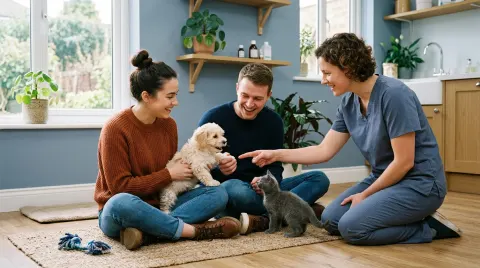 Puppy and kitten visitsFirst vaccines, gentle handling practice and the questions every new pet brings home.
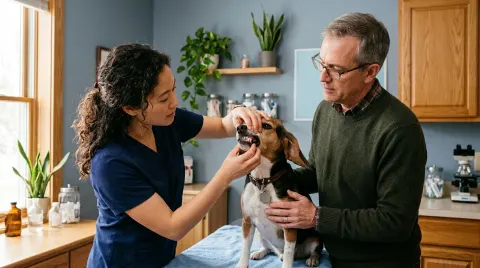 Dental careChecks at every exam, and cleanings under monitored anesthesia when the mouth needs more.
 Same-day sick visitsOff their food, limping or just not right? Call in the morning and we hold time for the day.
 All of our careNot sure which visit fits? Start here.