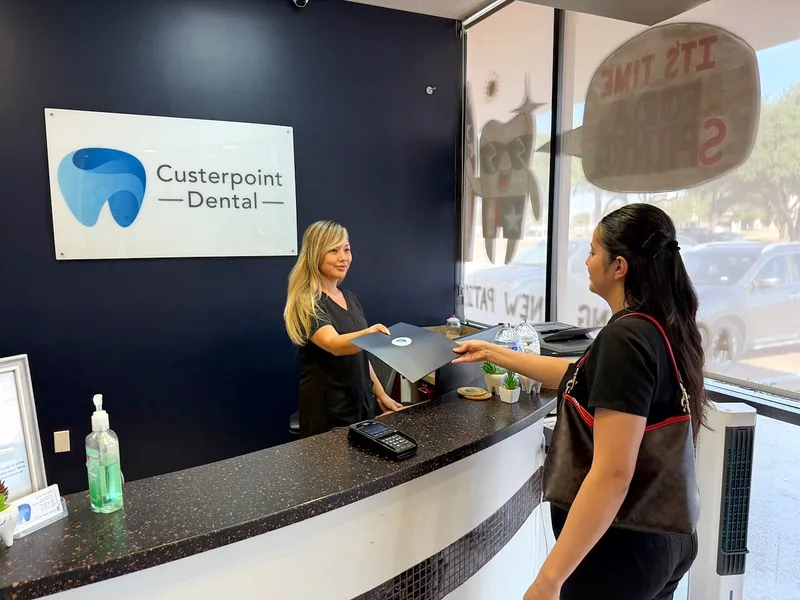
To choose a family dentist in Plano, check five things: whether the office is close to where you live or work and open when you can go, whether it files your insurance, what technology it uses, how it handles same‑day emergencies, and how clearly it explains your treatment and cost in the first visit.
What should you look for in a Plano dentist?
Look for an office you can actually get to, that works with your insurance, and that explains things in plain language before it treats anything.
That sounds simple, but most people pick a dentist from a map search and a star rating, then find out later that the hours do not fit their workday or that every visit ends with a surprise bill. A little checking up front saves years of switching.
If you have just moved to Plano, or your old dentist retired, the questions below are the ones worth asking before you book.
Why does location matter so much?
Because the dentist you can reach in fifteen minutes is the one you will actually keep seeing.
Routine cleanings and exams only protect your teeth if you keep them on the calendar, typically every six months. An office close to home or work in Plano makes that easy, and it matters even more when a tooth cracks on a Tuesday afternoon and you need to be seen that day.
Our office sits at 3000 Custer Road, Suite 325, in Plano, a short drive from Allen, Murphy and Richardson. Wherever you land, map the drive from your home and your work before you decide.
Do the office hours fit your week?
Check the hours against your real schedule, including whether you can get in on a Friday or early in the day.
We are open Monday through Thursday from 9 to 5 and Friday from 9 to 4, and closed on weekends. Many offices keep similar weekday hours, so the real question is how far ahead you have to book and whether they hold time for urgent problems.
Will the dentist work with your insurance?
Ask whether the office is in network with your plan, and whether it files claims for you or expects you to file them.
An office that files for you, and checks your benefits before the visit, removes most of the guesswork about what you will owe. We file PPO claims for our patients and talk through coverage before treatment, not after it.
If you do not have insurance, ask what payment options exist. We offer CareCredit, a health care credit card that lets you pay over time, subject to credit approval. Our insurance and financing page covers the details.
What technology should a modern dental office have?
Technology matters when it makes visits shorter, more comfortable or more accurate, not when it is only a line on a website.
A few tools make a real difference for patients:
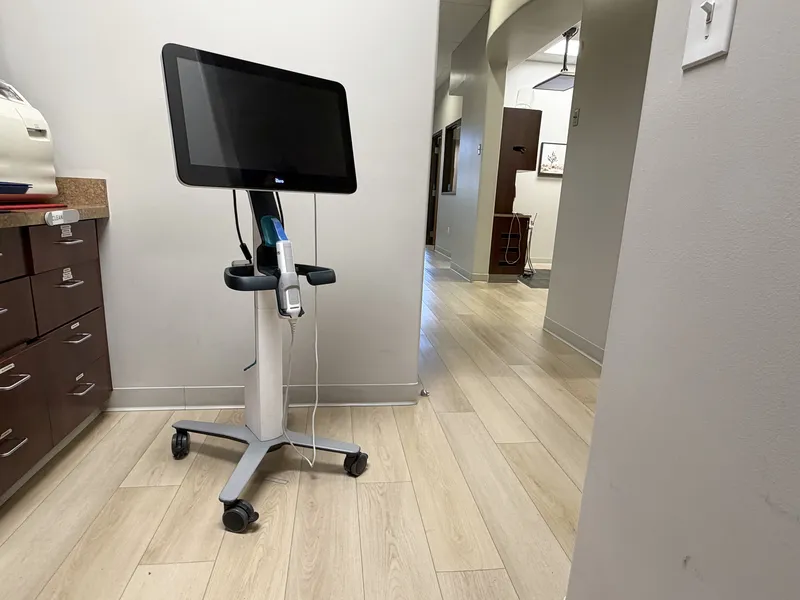
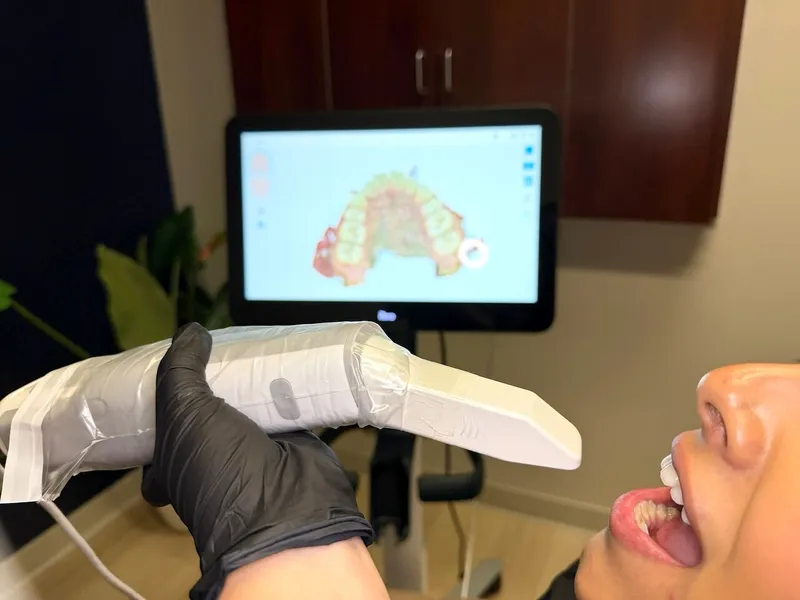
- Digital scanning in place of putty impressions. We use an iTero scanner, so there is no goopy tray and you see a 3D model of your teeth on screen.
- Low-radiation cone-beam CT for 3D imaging when planning implants, extractions or root canals.
- In-office milling and 3D printing. We mill crowns and 3D print models and provisionals in the office, and most crowns are completed in one appointment.
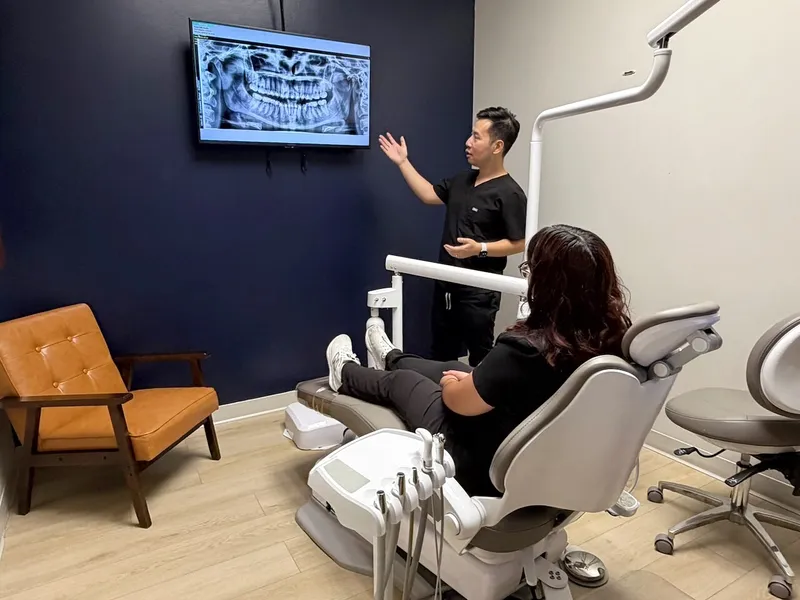
- Chairside screens so you see what the dentist sees, instead of taking a diagnosis on faith.
When you call any office, ask which of these they use and how it changes your visit. The answer tells you a lot about how the practice runs.
Can one dentist care for your whole household?
Often yes, and that is the practical advantage of a general or family dentist: one office, one set of records and one phone number.
Most of our patients are adults who want routine care plus the restorative work that comes with time, such as crowns, implants and root canals. We also see kids and teens, so a whole household can book with the same office. The point is that the adults in your home get full care under one roof, not a referral for everything beyond a cleaning.
Ask which treatments the office handles in-house and which it refers out. The more it does itself, the fewer offices you have to coordinate.
How do you vet a dentist before your first visit?
Five checks take about twenty minutes and cover most of what matters.
- 01Map the drive
Check the drive time from home and from work at the hours you would realistically go.
- 02Confirm insurance
Call with your plan details and ask whether they are in network and file claims for you.
- 03Read reviews for patterns
Look past the star rating to what patients mention again and again, such as wait times, explanations and billing.
- 04Ask about emergencies
Ask what happens if you break a tooth on a weekday: can they usually see you the same day?
- 05Judge the first visit
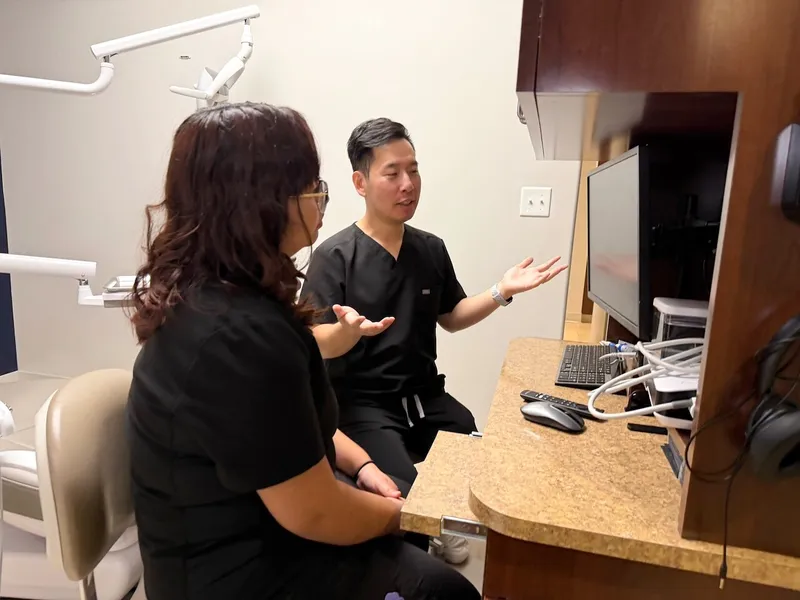
Notice whether the dentist shows you what they see and gives you a written plan with costs before any treatment.
How should you read online reviews?
Read reviews for patterns rather than single stories, and pay attention to how recent they are.
A strong rating built on a large number of reviews is more reliable than a perfect score from a handful. As of September 2026, Custerpoint Family Dental holds a 4.8 star rating across 234 Google reviews. Whichever office you consider, read the newest reviews and the lowest ones, and see how the practice responds to criticism.
What should happen at your first visit?
A good first visit gives you a clear picture of your mouth and a plan you understand, with no pressure to start treatment that day.
Expect a full exam, the X‑rays you need, a cleaning when your gums allow it, and a conversation about anything that bothers you. At our Plano office, you see your scan and X‑rays on the chairside screen while Dr. Tam or Dr. Chiem walks through what they found.
If treatment is needed, you should leave with a written plan that lists each step, what insurance is expected to pay, and your share. You can read more about how we run it on our new patient exams page.
Does language matter when choosing a dentist?
It can, especially for treatment decisions where you want every detail clear.
If you or a family member are more comfortable in Chinese, we have a Chinese-speaking dentist in Plano. Being able to ask questions in your own language makes it far easier to weigh your options.
What are the warning signs of the wrong fit?
Be cautious if an office pushes large treatment plans on the first visit without showing you the evidence, or cannot give you costs in writing.
- No written estimate before treatment starts.
- Vague answers about which insurance plans they accept.
- A diagnosis you cannot see on an X‑ray, scan or photo.
- Long waits for a routine appointment, with no room for urgent problems.
A second opinion is always reasonable for major work, and a good office will not take offense.
Ready to choose a dentist in Plano?
If you are looking for a dentist close to home with modern technology and clear answers, the first step is a new patient visit. Call Custerpoint Family Dental at 972-265-9033 or book online, and bring your insurance card so we can check your benefits before you arrive.