Dental implants in Plano, planned on a 3D scan before anything is placed
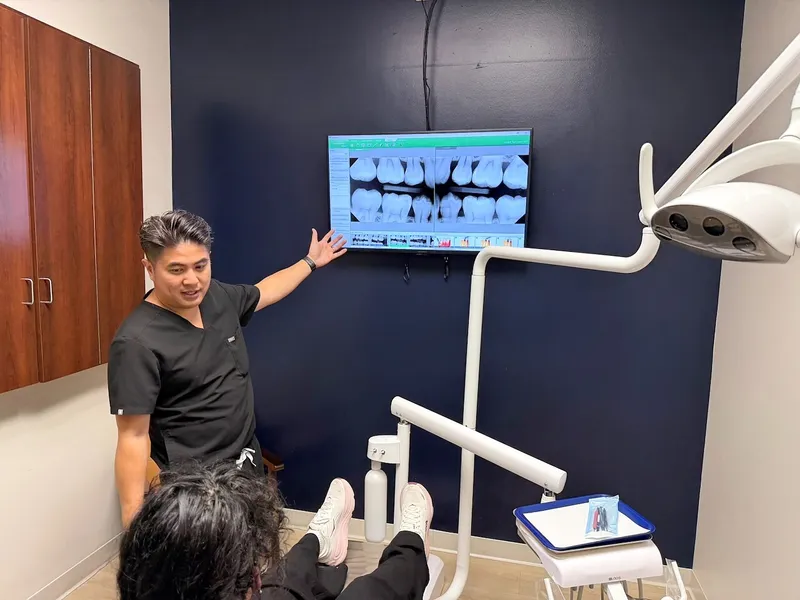
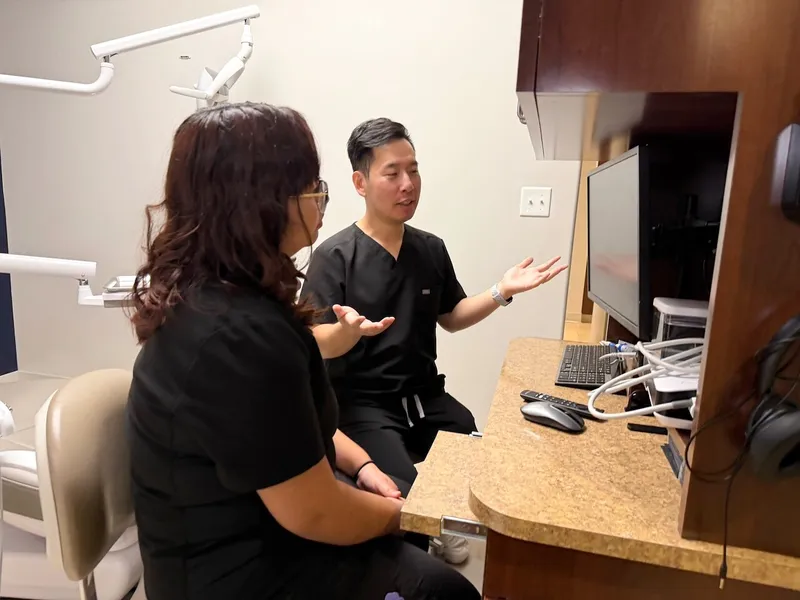
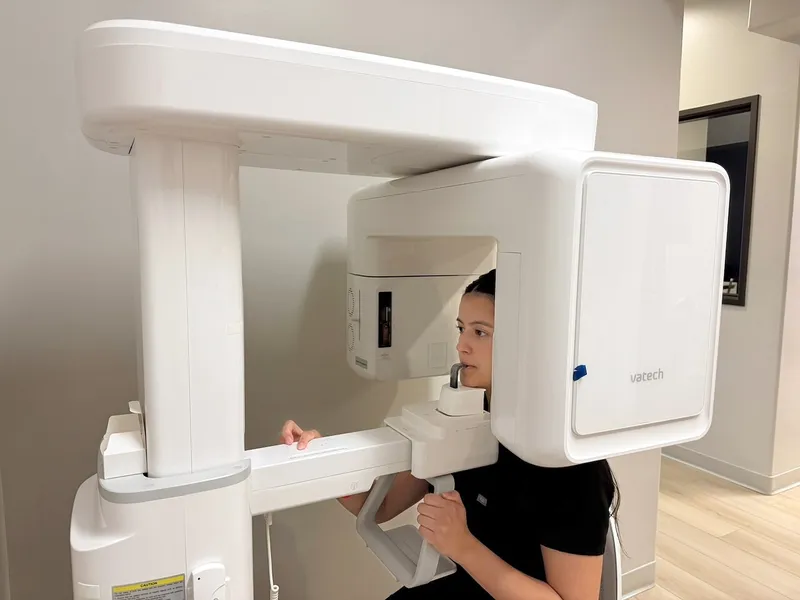
If a missing tooth has you chewing on one side, you do not have to decide anything today. Your first visit is a conversation and a quick, low-radiation 3D scan. You see your own jaw on the screen, hear every option in plain words and leave with a written, itemized quote. Nothing is done until you say yes.
Been putting off a missing tooth? You are not the only one
Most people wait a long time to replace a tooth. The gap does not hurt, and a dental office can feel like the last place you want to be. That is understandable, and nobody here will lecture you about it.
It does help to know what a gap does over time. The teeth beside it can slowly drift into the space, and the bone that held the root thins because nothing is using it. Less bone can mean fewer options later.
None of this is an emergency. A first visit simply shows you where you stand, and then you can go home and think about it.
- “I only chew on one side”The teeth that are left take the extra load, and they can wear faster.
- “My partial clicks when I talk”Clasps loosen, food slips underneath and you notice it every time you speak.
- “Honestly, I am nervous about dentists”Tell us when you call. We explain each step first and go at your pace.
What is a dental implant? Three parts that work like one tooth
A dental implant is a small titanium post that sits in the jawbone where a tooth root used to be, with a custom crown on top. Most single implants take about four to nine months from start to finish, because the bone needs time to grow around the post. You get on with normal life for most of that time.
- 1
The crown
The part you see and chew with, shaded to match the teeth beside it.
- 2
The abutment
A short connector that holds the crown just above the gum.
- 3
The post
A small titanium screw in the jaw. Over a few months the bone grows around it and holds it firm.
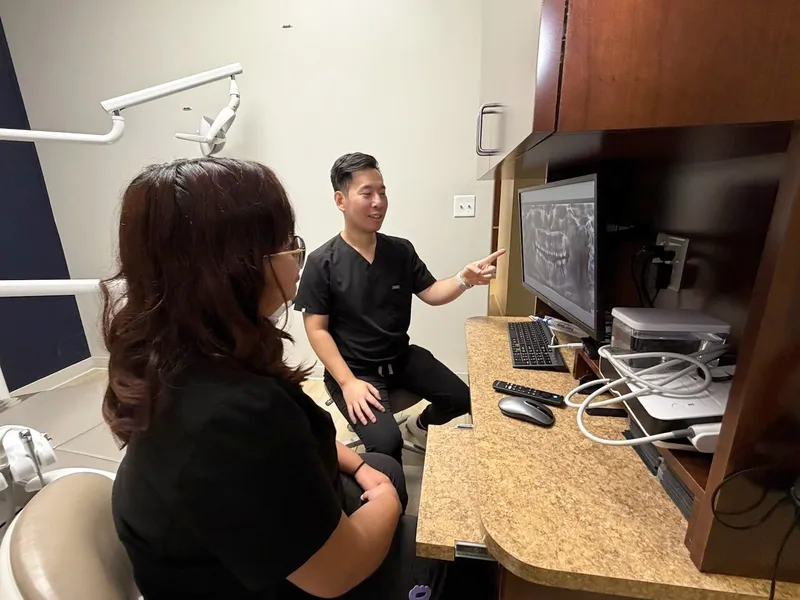
Your first visitWe show you your scan and explain it in plain words before anything is decided.
Are you a good candidate for dental implants in Plano?
Most adults who are missing a tooth can have an implant. The honest answer comes from a scan, not a web page.
You may be a good fit if
- You are missing one tooth, a few teeth or a full arch.
- Your gums are healthy, or you are happy to treat them first.
- You were told you do not have enough bone. A 3D scan is worth a second look.
What happens at your first visit
- A quick, low-radiation 3D scan of your jaw
- Every option explained, including ones that are not implants
- A written, itemized quote to take home
- Your PPO benefits checked for you
What changes day to day once an implant has healed?
An implant sits in the bone the way a root does, so most people notice a few quiet, practical differences. Results vary from person to person, and your scan sets realistic expectations.
-
01
Chew on both sides again
Once it has healed, most people can bite into an apple without planning around it.
-
02
Nothing to take out at night
No clasps and no adhesive. You brush and floss it like your other teeth.
-
03
Your other teeth stay as they are
A bridge needs the teeth on each side shaped for crowns. An implant stands on its own.
-
04
Helps keep the bone you have
The post gives the jaw something to hold again, which helps slow bone loss.
-
05
Talk and laugh without thinking
Nothing shifts when you speak, so you stop choosing words around a loose partial.
-
06
Made to last, with good care
Many implants last for decades. The crown on top may need replacing after 10 to 15 years.
Dental implant, bridge or partial: which one is right for you?
There is no wrong answer here. Each option suits somebody, and we go through all three with you, including the choice to wait.
| At a glance | Most asked aboutDental implant | Option 2Bridge | Option 3Removable partial |
|---|---|---|---|
| How it works | A post in the bone carries its own crown | Crowns on the teeth beside the gap hold a false tooth between them | A frame clips to nearby teeth and carries the replacement teeth |
| Effect on neighboring teeth | None; they are left untouched | The teeth on each side are reshaped to hold crowns | Clasps put some stress on the teeth they grip |
| The jawbone under the gap | Helps preserve bone where the root used to be | Bone under the gap can slowly shrink | Bone under the gap can slowly shrink |
| Comes out | No | No | Yes, nightly for cleaning |
| Cleaning | Brush and floss it like a natural tooth | Floss threaders or a water flosser under the false tooth | Take it out and brush it every day |
| Typical lifespan | Often decades with good care; the crown may need replacing in time | Often 10 to 15 years | Often 5 to 10 years |
| Time to finish | Usually 4 to 9 months, longer with grafting | Usually a few weeks | Usually a few weeks |
| Up-front cost | Usually the highest of the three | Usually in the middle | Usually the lowest |
| Often best for | Healthy neighboring teeth, enough bone or a willingness to graft, long-term value | Neighbors that already need crowns, or when surgery is not an option | Several missing teeth on a tighter budget, or a step toward implants later |
Every option is on the table at your consult, including waiting. The alternatives are covered in detail on our crowns and bridges and dentures pages. | |||
Reviewed by our own patients
Custerpoint Family Dental averages 4.8 stars across 234 public Google reviews, as of September 8, 2026, so you can read them yourself before you call. Results vary from person to person, so your consult covers what is realistic for your mouth.
Read the reviews on GoogleWhat happens at each stage of getting an implant?
Most single implants take four to nine months, and most of that is quiet healing while you get on with your life. We explain each stage before it starts, and you decide when to go ahead.
- 01
A conversation and a 3D scan
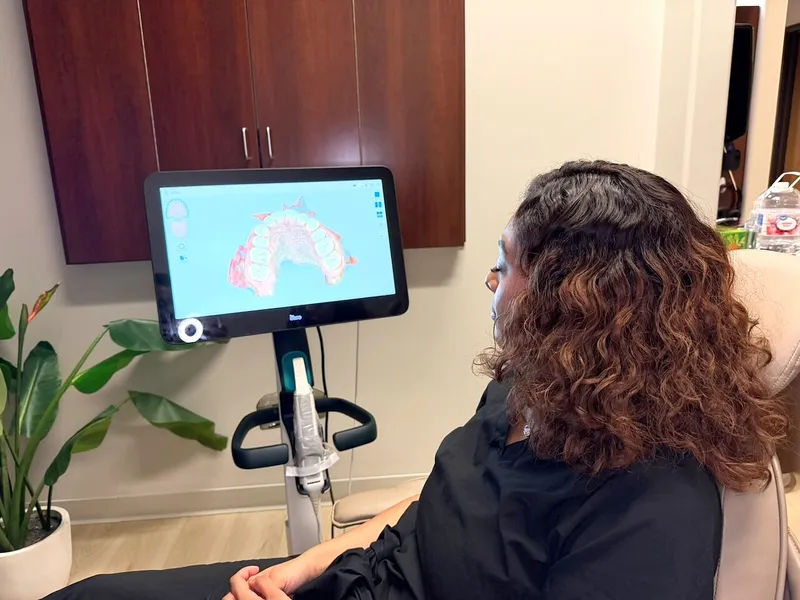
We talk through your health history, check your gums and take a quick cone-beam scan and an iTero scan. You see your own bone on the screen and hear every option. You leave with a written plan and quote. If you would rather talk it through in Chinese, see our Chinese-speaking dentist page.
- 02
Removing a tooth or grafting, only if needed
If a failing tooth is still there, it comes out first (see tooth extractions). Some sites need a bone graft and two to four months to heal. The scan tells us which path you are on well before the day.
- 03
Placing the implant
The area is numbed first, so most people feel pressure rather than pain. If you are nervous, tell us when you book and we will talk through your comfort options. Placement is done here or by a surgical specialist we work with. Many people are back to normal within a day or two.
- 04
Healing, about 3 to 6 months
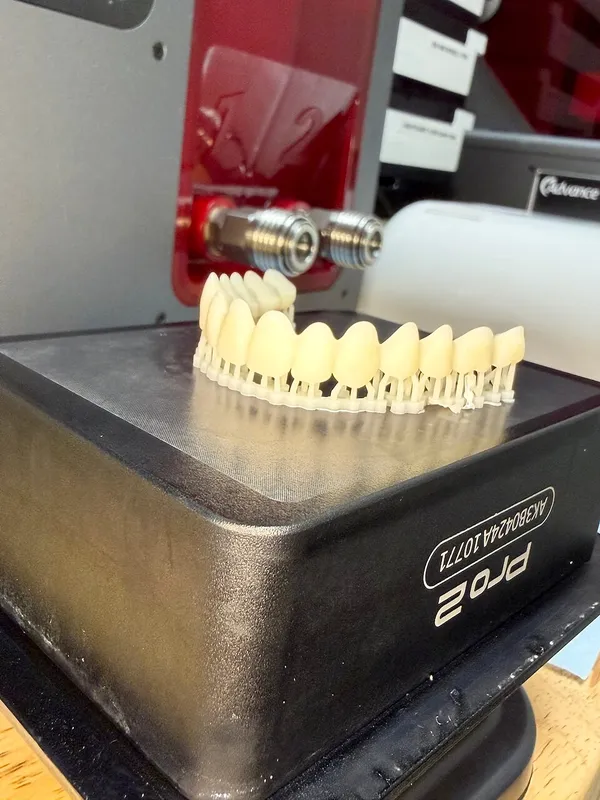
The bone slowly grows around the post. If the gap shows when you smile, you wear a temporary tooth, printed in our office to your scan. Check-ins are short and fit around a Plano workday.
- 05
Your final crown
Once the implant is stable, we scan it, design the crown and fit it on a small connector. Dr. Tam or Dr. Chiem checks the shade and your bite with you before you leave. Results vary, but the goal is a tooth you stop thinking about.
What is recovery like after a dental implant?
Most people are surprised by how ordinary it feels. Here is what to expect, and we go over all of it with you before you leave.
- The first few days
Take it easy and eat soft food
Some soreness and swelling is normal, and it usually peaks around day two or three. Stick to soft, cool foods, take any medicine as directed and rinse gently with warm salt water after the first day. Many people are back at a desk job the next day.
- The first few months
Let the bone do its work
Chew on the other side until we tell you the implant is ready, and try not to smoke, since smoking is linked to slower healing. Short check-ins let us see how it is going, even when everything feels fine.
- For life
Care for it like your own teeth
Brush twice a day and clean around it with floss or a water flosser. Keep your regular cleanings, where we check the gum and bone around the post, and wear a night guard if you grind.
If anything feels wrong at any point, call 972-265-9033. You will reach the front desk during office hours.
No surprisesNothing is booked until you have a written quote and you feel ready.
How much do dental implants cost in Plano?
It depends on your bone, your bite and how many teeth you are replacing, so nobody can give you a firm number before a 3D scan. Some quotes that sound low cover only the post, with the crown, imaging or grafting billed later. It is always fair to ask what a quote includes.
What moves the number
- How many teeth you are replacing
- Whether a tooth needs removing or the bone needs grafting first
- The implant and crown materials chosen for your bite
- Comfort options, if you ask for them when you book
Good to knowYour 3D scan and planning are part of the quote, and some insurance plans pay toward the extraction or the crown even when they limit the implant itself.
After your scan you get a written, itemized quote that lists every stage, from any extraction to the final crown. If anything needs to change along the way, we explain why and update the quote before it happens.
Want the detail first? Our guide walks through what goes into an implant quote, piece by piece.
Who plans your implant, and how do they do it?
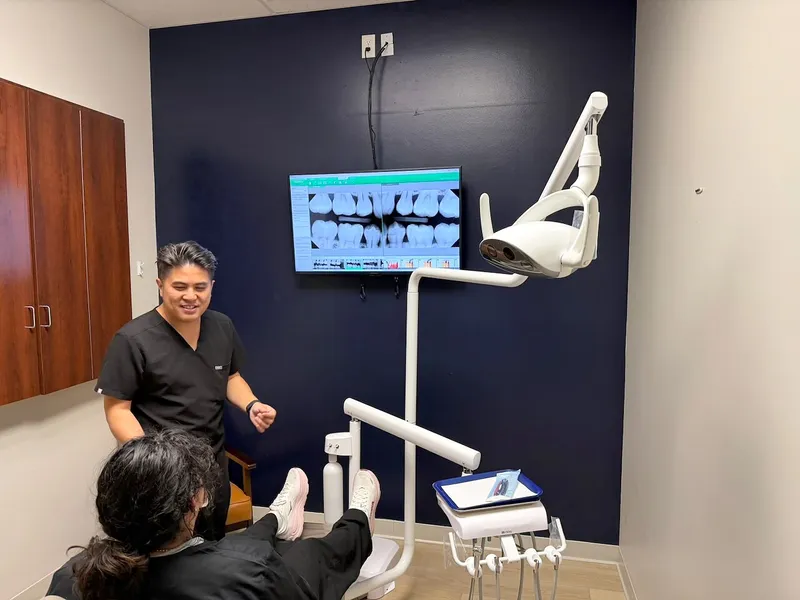
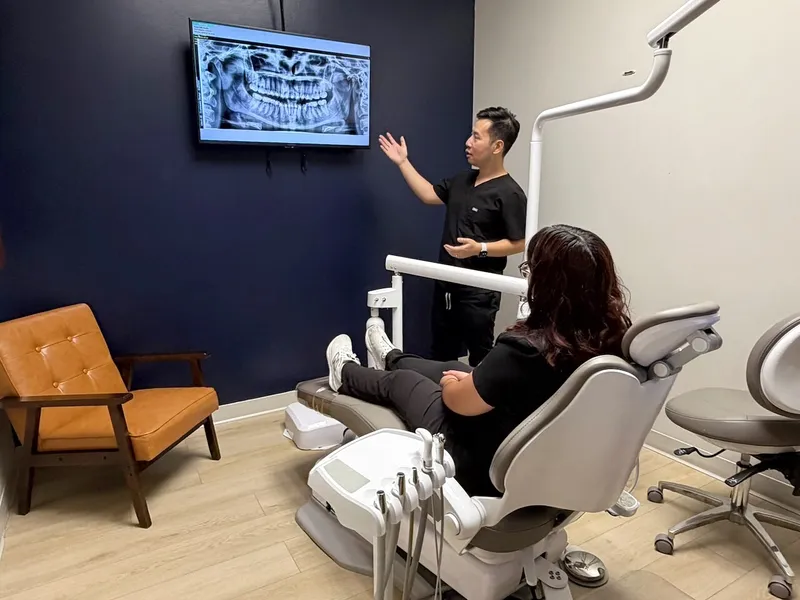
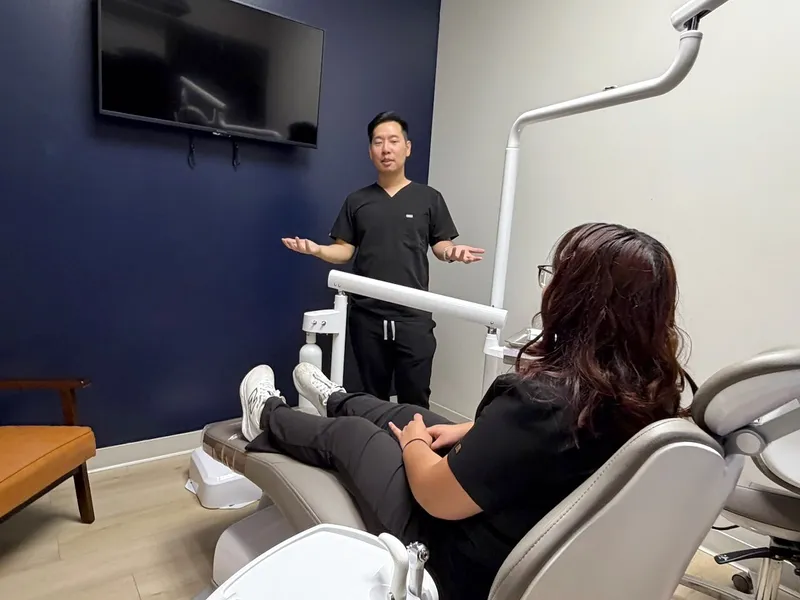
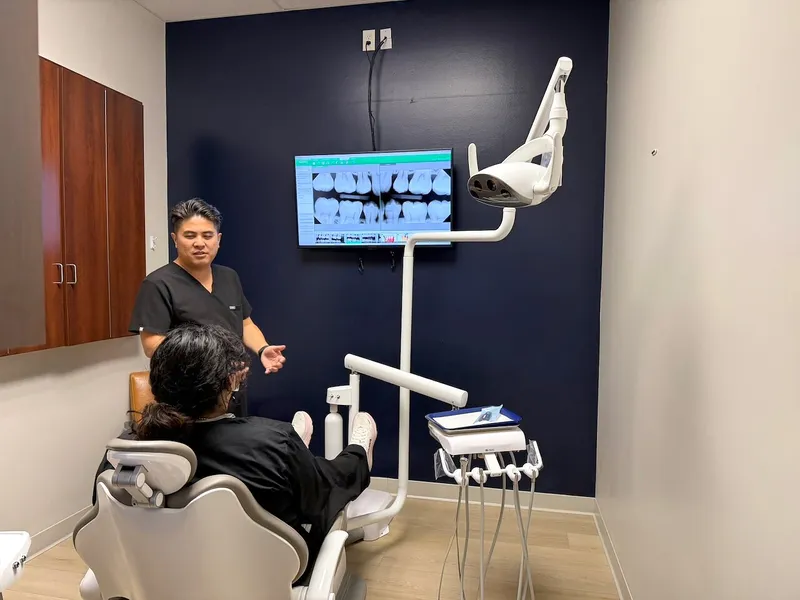
Dr. Tam and Dr. Chiem plan every implant on a 3D scan first. They show you the plan on a screen beside the chair and answer your questions before anything is placed.
 Dr. Larry TamGeneral dentist and ownerA Plano native and Texas A&M Baylor College of Dentistry graduate, caring for Dallas-area patients for more than ten years.
 Dr. Johnny ChiemGeneral dentistYears of clinical experience and a gentle, compassionate approach; he walks you through your X‑rays on the screen before anything is decided.
You will be numb the whole time the implant is placed, so most people feel pressure rather than pain. We explain each step before we start. Tell us when you book and we will talk through your comfort options.
- 01
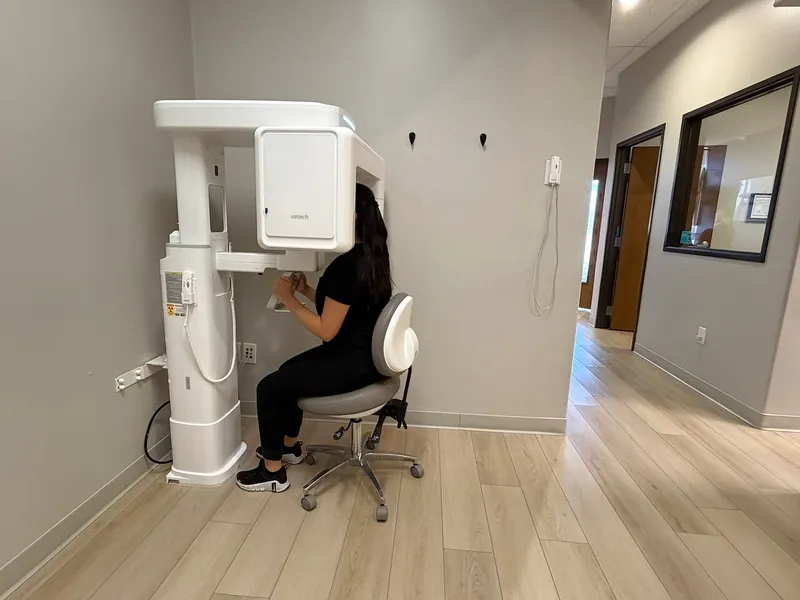
Low-radiation cone-beam CT
A 3D scan of your jaw shows the height, width and density of the bone, and where the nerves and sinuses sit. It typically uses a lower dose than a medical CT, so the implant is planned on a model rather than estimated from a flat X‑ray.
- 02
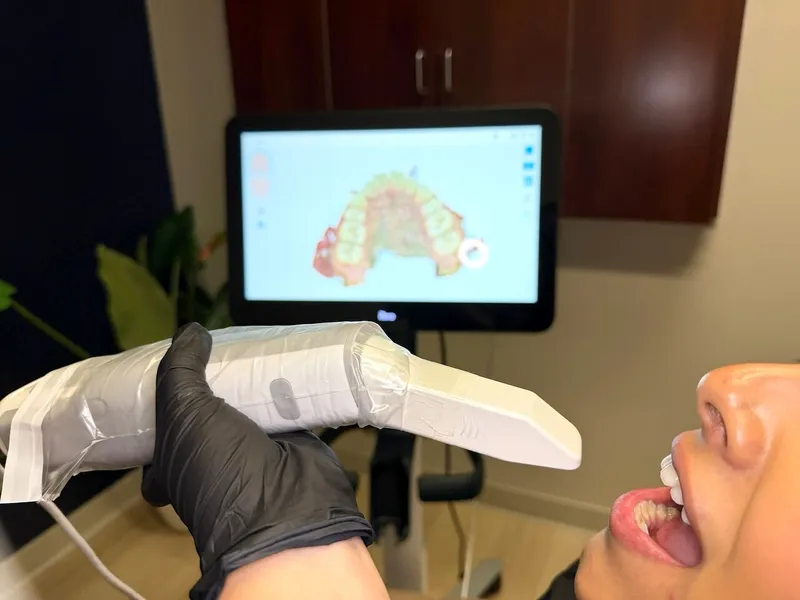
iTero digital scanner
Your teeth and gums are scanned in a few minutes, with no goopy impression trays. The crown you will see and the post you will not are planned together, from the bite down.
- 03
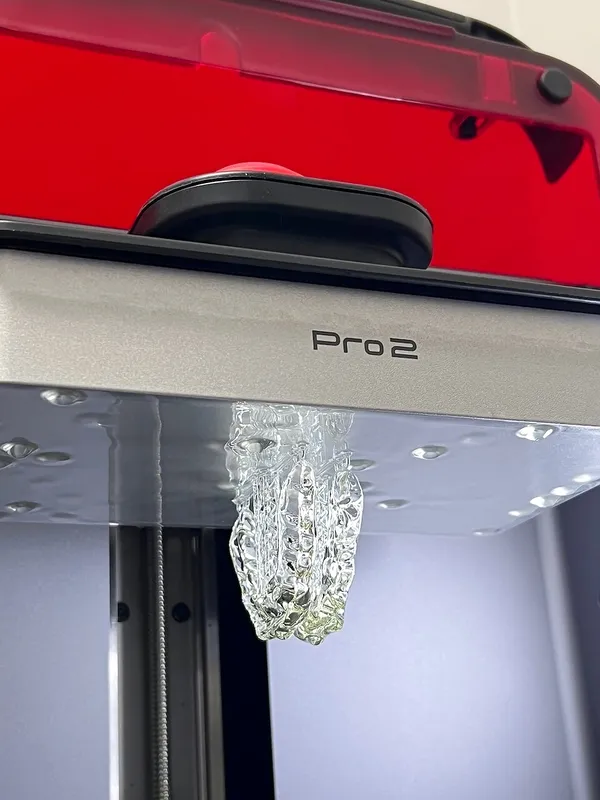
In-office 3D printing
We print models, provisionals and appliances here, which speeds things up and lets us be precise. That includes the temporary tooth you may wear while the implant heals.
- 04
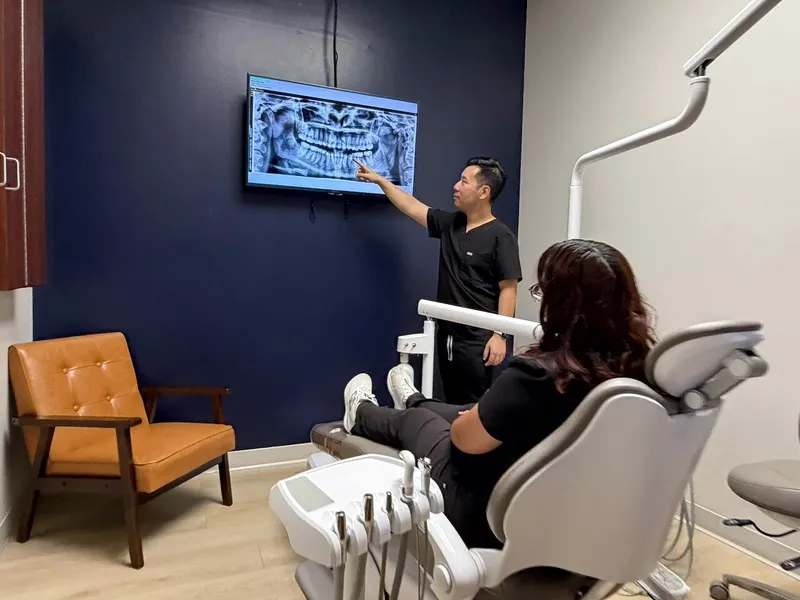
Chairside screens
You see what the dentist sees: your own bone, where the post will go and the shape of the final crown, on a screen beside the chair, before you agree to anything.
Dental implant questions Plano patients ask us
Have one we have not covered? Call 972-265-9033 during office hours and you will reach the front desk.