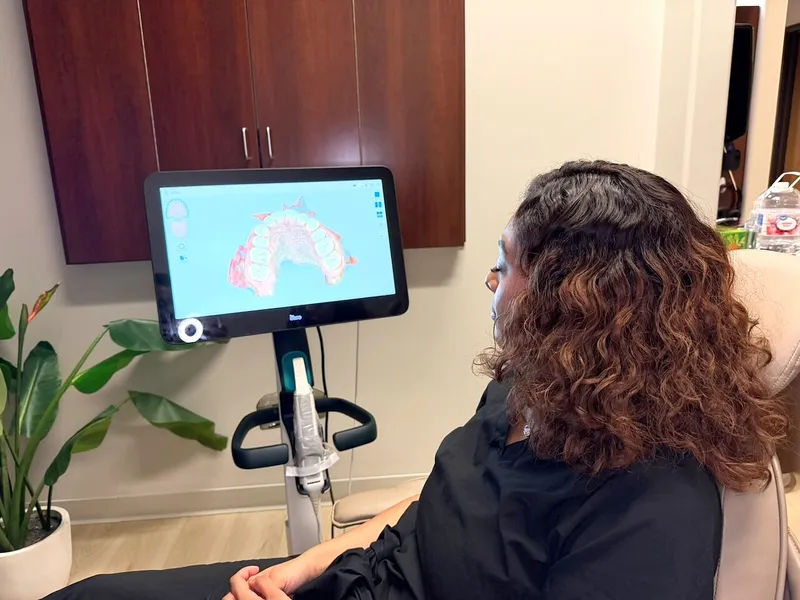
Invisalign in Plano, built around an adult schedule
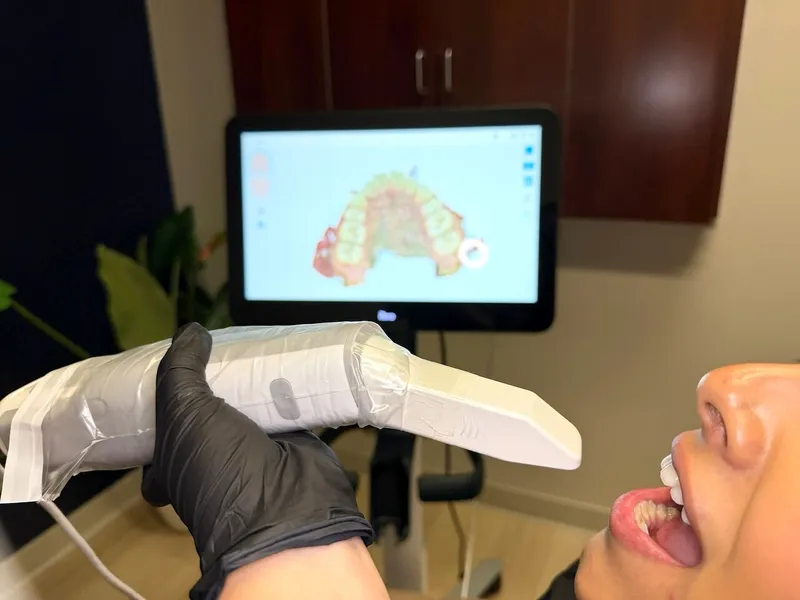
If your teeth have drifted since high school, or you never had braces and always meant to, you are the adult Invisalign was designed for. Treatment starts with a digital scan that takes a few minutes, and you see a preview before you commit. You leave your first visit with a written, itemized quote, from the first tray to the retainer. Nothing is ordered until you say yes.
Have your teeth drifted since you last wore a retainer?
It happens slowly. A front tooth turns, the lower teeth bunch up, a gap opens. You notice it in one photo, then in every photo. Most adults leave it for years.
Teeth that overlap are harder to clean, and teeth that line up badly can wear or chip at the edges. None of this is urgent.
A first visit is a conversation and a scan that takes a few minutes. You see where your teeth could go, and then you can go home and think about it.
- “My retainer stopped fitting years ago”The most common reason adults come in. Minor drift often takes a shorter course than the original braces.
- “I am on video calls all day”The trays are clear and thin, and hard to spot at conversation distance.
- “I do not want to feel like a teenager again”Visits are short, and the scan replaces the goopy impressions.
Can adults get Invisalign?
Yes. Invisalign straightens teeth with a series of clear, removable aligners. Each set is worn about 20 to 22 hours a day for one to two weeks before you switch to the next, and each one moves your teeth a small step along a plan made from your scan. Most adult cases take roughly 12 to 18 months, and mild crowding can finish sooner.
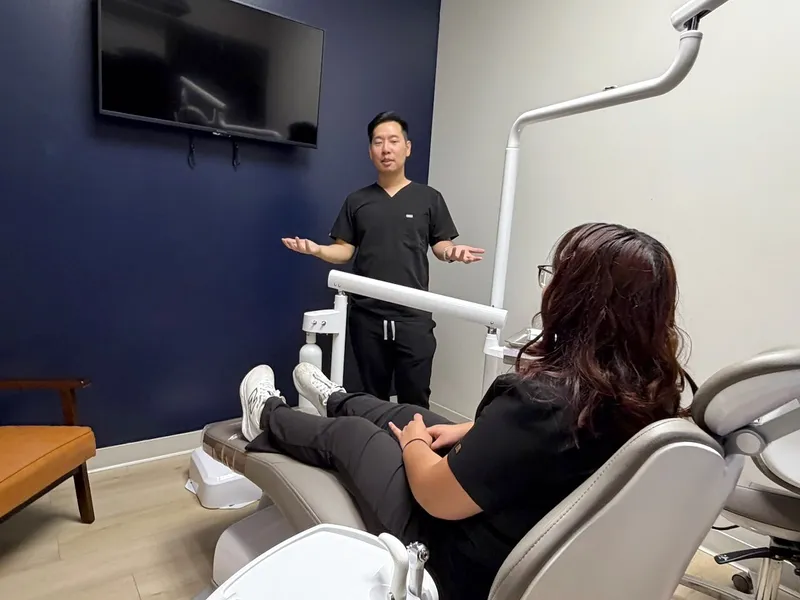
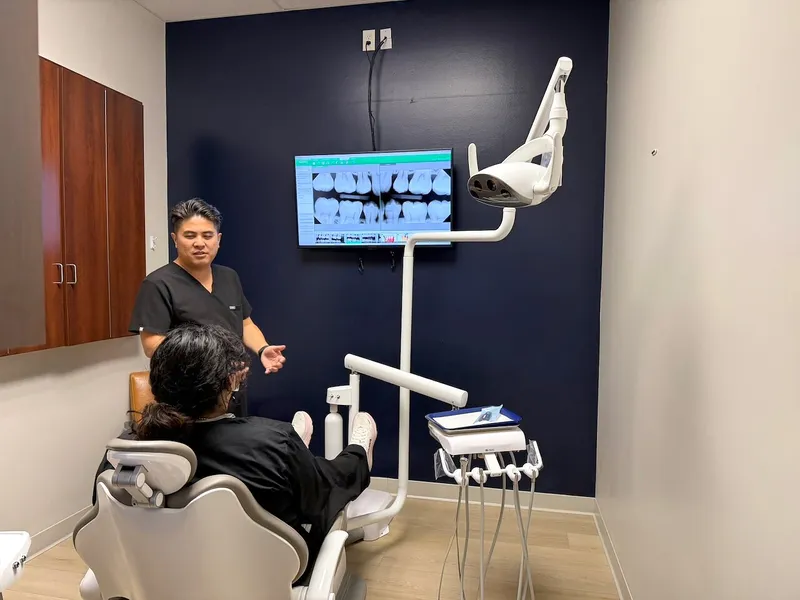
Your first visitYou watch the 3D model of your teeth build on the screen, and you see a preview before anything is ordered.
Is Invisalign right for your teeth?
Most adults with healthy gums can have aligners.
You may be a good fit if
- Your front teeth have crowded or shifted since braces as a teenager, or gaps catch food or show when you smile.
- Your bite feels off, or you want your teeth in place before crowns, veneers or an implant.
- You can wear the trays 20 to 22 hours a day, out only to eat and brush.
What happens at your first visit
- An exam of your teeth and gums, and any X‑rays you need
- An iTero scan you watch build on the screen
- A straight answer on whether aligners or braces suit your case
- A written, itemized quote, from the first tray to the retainer
What is day-to-day life like with Invisalign?
Aligners fit around an adult week in ways brackets cannot. Results vary.
-
01
Hard to spot at conversation distance
The trays are clear and thin. Attachments can show slightly up close.
-
02
Take them out to eat
Nothing is off the menu. The trays come out for meals, then you brush and put them back.
-
03
Brush and floss as normal
With the trays out, cleaning your teeth is the same as before.
-
04
Previewed before you commit
You see a simulation of the projected finish before anything is ordered.
-
05
Fewer, shorter visits
Check-ins usually fall every six to ten weeks and are often brief.
-
06
Edges that wear evenly
Teeth that line up share the load, so uneven wear tends to stop.
Invisalign or braces: which fits an adult life better?
Both move teeth reliably in the right case. If your case is better suited to braces, we will tell you so.
| At a glance | Most asked aboutInvisalign | Option 2Traditional braces |
|---|---|---|
| What you see | Thin clear trays that are hard to spot at conversation distance | Metal or ceramic brackets bonded to each tooth, joined by a wire |
| Eating | Trays come out, so you eat as usual, then brush and put them back | Hard, sticky and chewy foods are off the menu for the whole treatment |
| Cleaning your teeth | Brush and floss normally with the trays out | Floss threaders or a water flosser to clean around every bracket |
| Comfort | Pressure for a day or two with each new set, smooth edges against the cheeks | Soreness after adjustments, and brackets can rub the inside of the lips |
| Typical length for adults | Often 12 to 18 months; mild cases can be shorter | Often 18 to 24 months, depending on the case |
| Office visits | Usually every 6 to 10 weeks, often brief | Usually every 4 to 8 weeks for wire adjustments |
| Handles best | Mild to moderate crowding, spacing, relapse and many bite problems | Severe rotations, large bite corrections and cases aligners cannot reach |
| What it asks of you | Discipline: the trays only work when you wear them | Patience with food limits and occasional wire soreness |
There is no wrong answer here, and the scan usually settles it in one visit. More in our guide, Invisalign vs braces for adults. | ||
Reviewed by our own patients
Custerpoint Family Dental averages 4.8 stars across 234 public Google reviews, as of September 8, 2026, so you can read them yourself before you call. Results vary from person to person, so your consult covers what is realistic for your teeth.
Read the reviews on GoogleWhat happens from the first scan to the final retainer?
Invisalign runs in five stages over roughly a year to a year and a half for most adults. You decide when to go ahead.
- 01
A conversation and an iTero scan
Dr. Tam or Dr. Chiem examines your teeth and gums, takes any X‑rays you need, and scans your teeth while you watch the 3D model build on the screen. Cavities or inflamed gums are treated before any tooth moves.
- 02
Your treatment preview
From the scan, we plan how each tooth moves and show you a simulation of the projected finish before you commit. A preview is a plan rather than a promise, and you can ask for changes before anything is ordered.
- 03
Fitting your first aligners
Your first trays are fitted in the chair. Some cases need small tooth-colored attachments bonded to a few teeth so the aligners can grip them; those come off at the end. You leave with your first sets, a case and a written change schedule.
- 04
Wear, switch and check in
You wear each set 20 to 22 hours a day and move to the next every one to two weeks, keeping the previous set as a backup. Brush before the trays go back in, rinse them in cool water rather than hot, and keep the case with you.
- 05
Refinements and retainers
Many cases end with a short round of refinement aligners. Then you move to retainers, usually worn every night, because teeth tend to drift for life without them. The retainer is part of the treatment, not an extra.
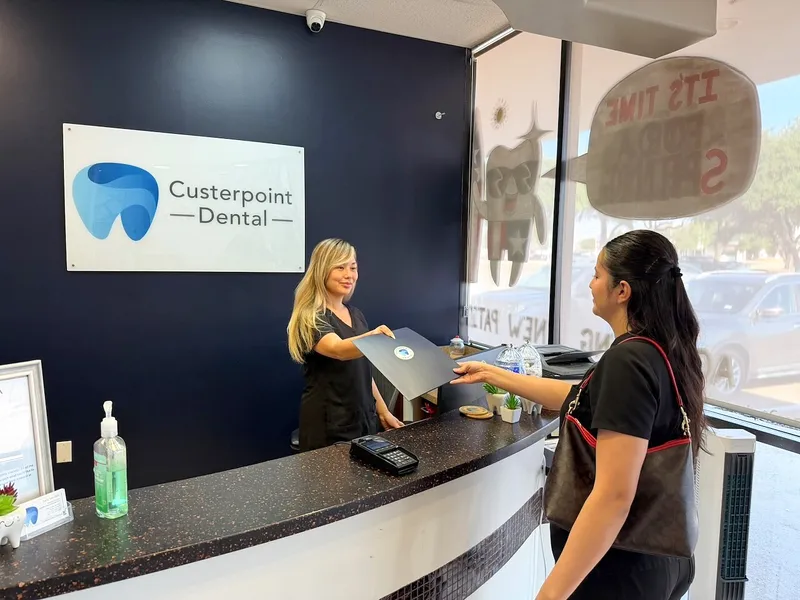
No surprisesNothing is ordered until you have a written quote and you feel ready.
How much does Invisalign cost in Plano?
It depends on how far your teeth need to move, so nobody can give you a firm number before a scan. A low advertised aligner price often leaves out refinement trays, retainers or check-ins, so ask what any quote includes.
What moves the number
- How complex your case is: a small gap is simpler than crowding plus a bite
- How many aligner sets your plan needs, including refinements
- Retainers after treatment, which protect the result you paid for
- Any work needed first, such as a cleaning, a filling or gum care
Good to knowSome PPO plans carry an adult orthodontic benefit, often with a lifetime maximum, and many cover children only. We check yours before you decide.
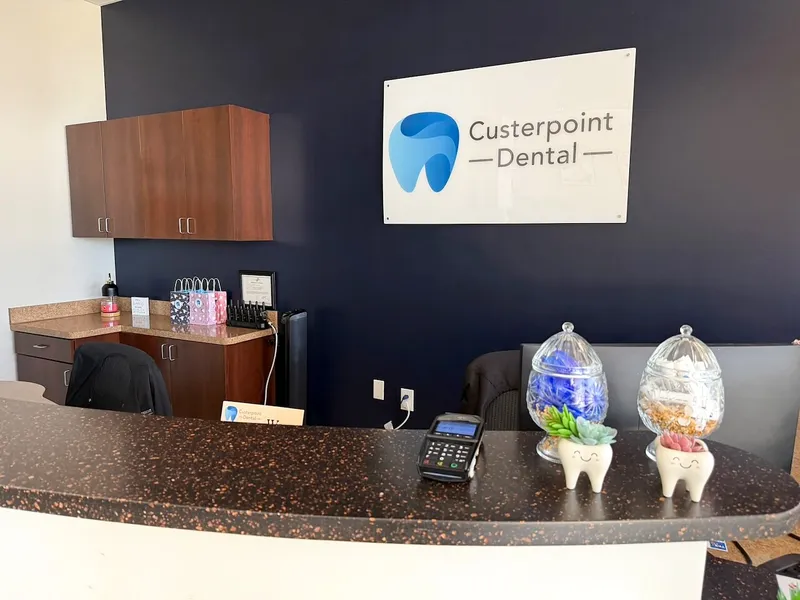
After your scan you get a written, itemized quote that shows what is included from the first tray to the retainer.
Want the detail first? Our guide compares Invisalign and braces for adults.
Who plans your aligners, and how do they do it?
Dr. Tam and Dr. Chiem plan every aligner case on an iTero scan and show you the preview before anything is ordered.
 Dr. Larry TamGeneral dentist and ownerA Plano native and Texas A&M Baylor College of Dentistry graduate, caring for Dallas-area patients for more than ten years.
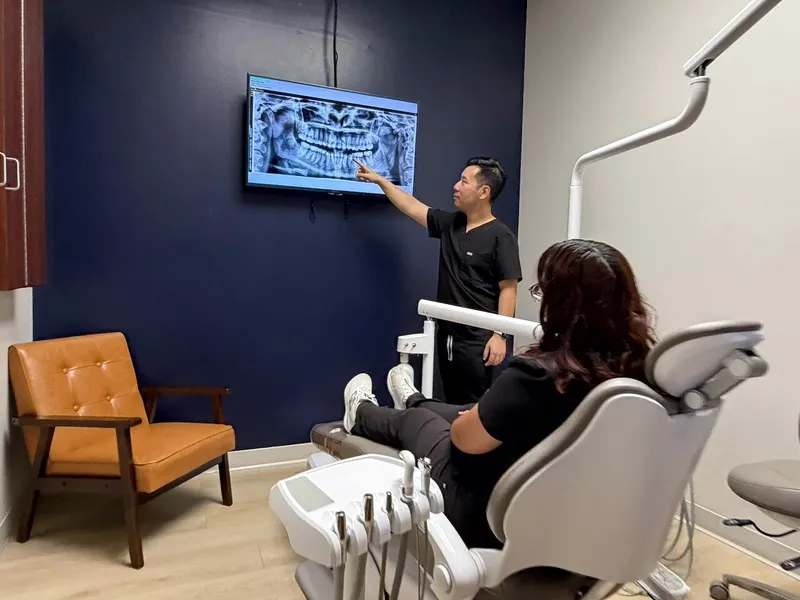
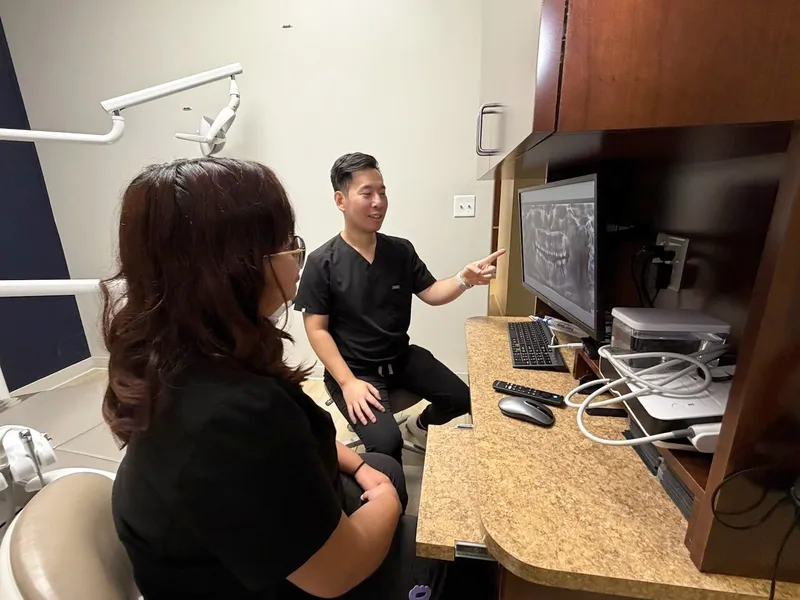
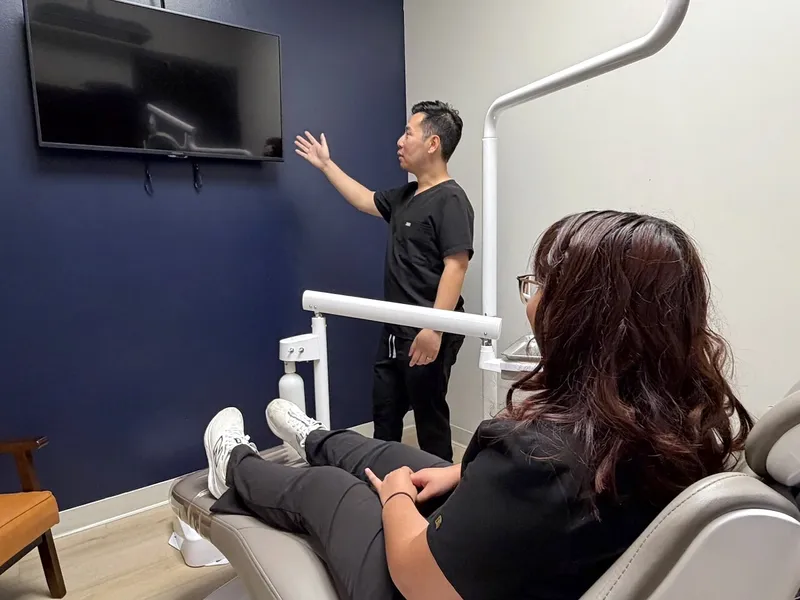
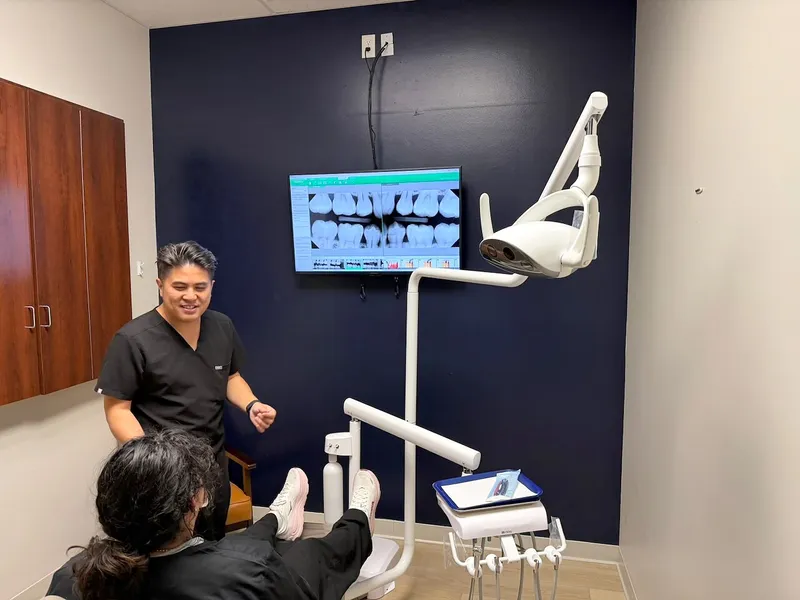
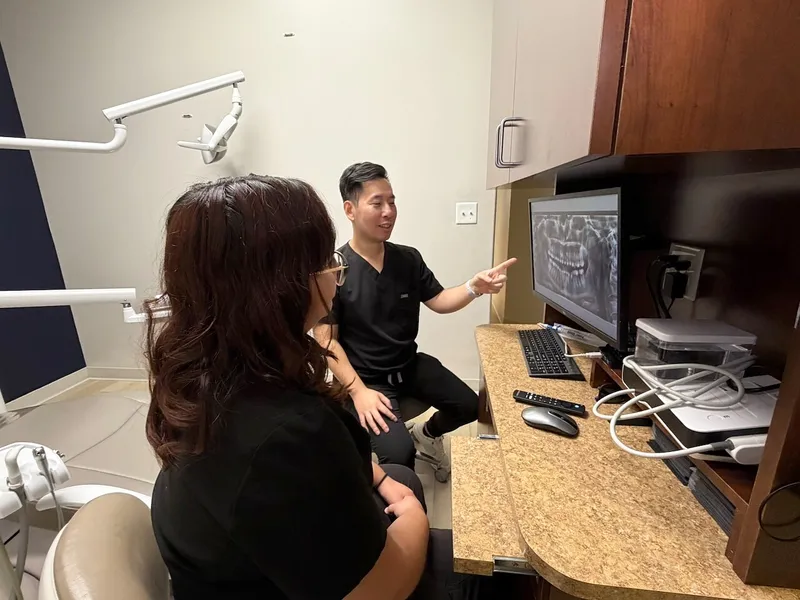
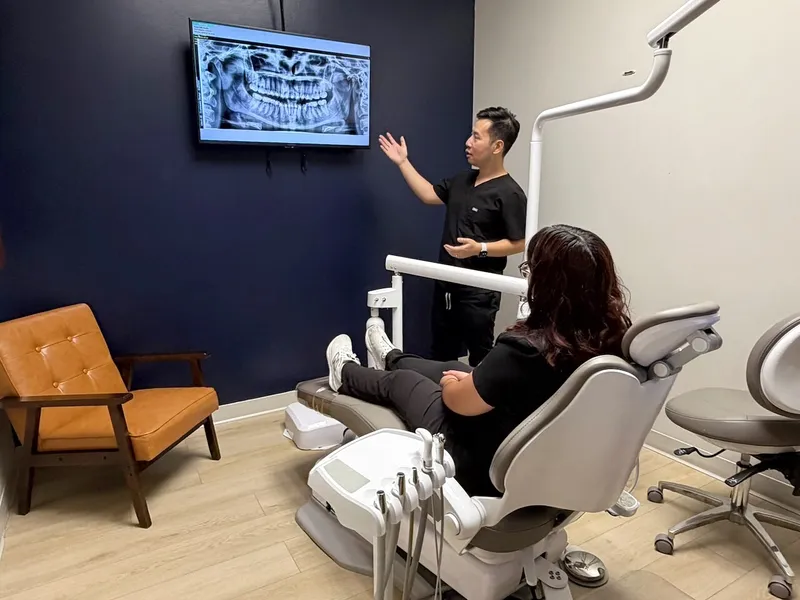
 Dr. Johnny ChiemGeneral dentistYears of clinical experience and a gentle, compassionate approach; he walks you through your X‑rays on the screen before anything is decided.
Aligner treatment does not involve numbing or drilling. Each new set brings pressure for a day or two rather than pain. We explain each step first and go at your pace.
- 01
iTero digital scanner
A small wand builds a 3D model of your teeth in a few minutes, replacing the goopy trays many adults remember.
- 02
Chairside screens
From the first scan to each check-in, your teeth are on the screen in front of you, so you can watch them move.
- 03
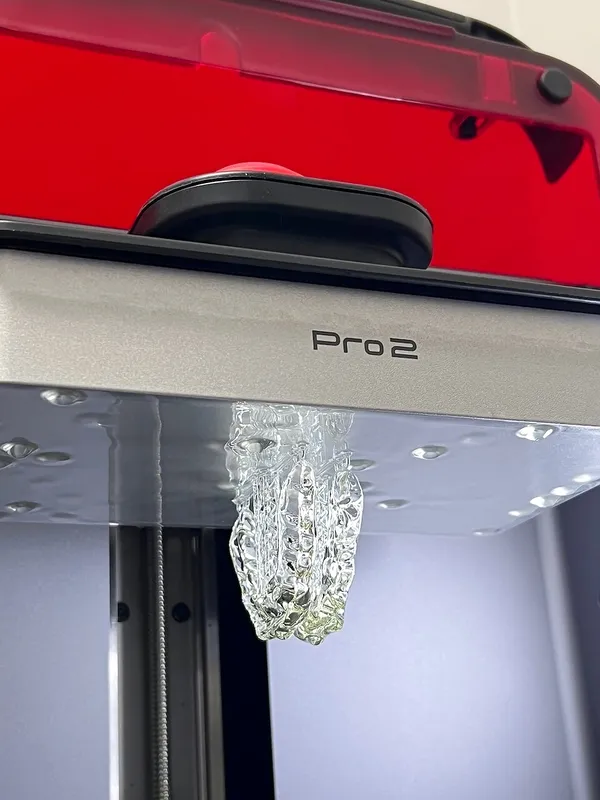
In-office 3D printing
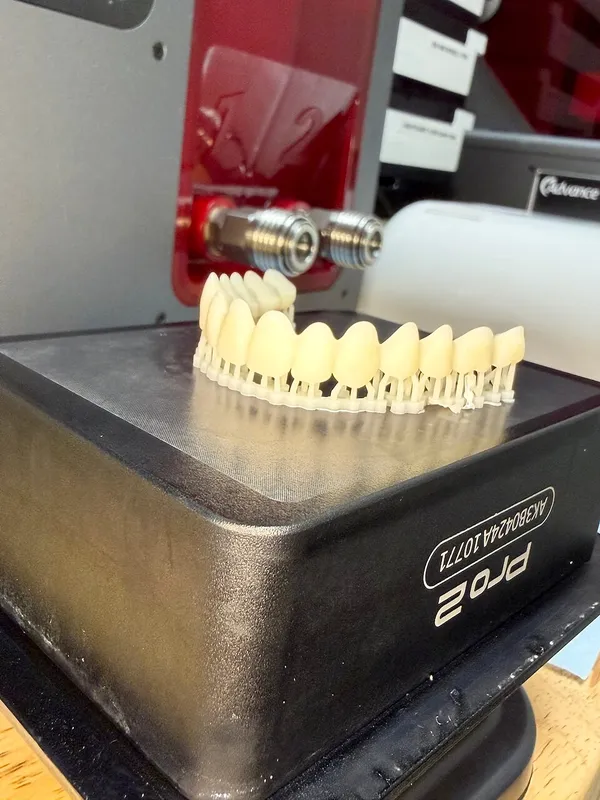
We print models and appliances here, which speeds things up and lets us be precise.
- 04
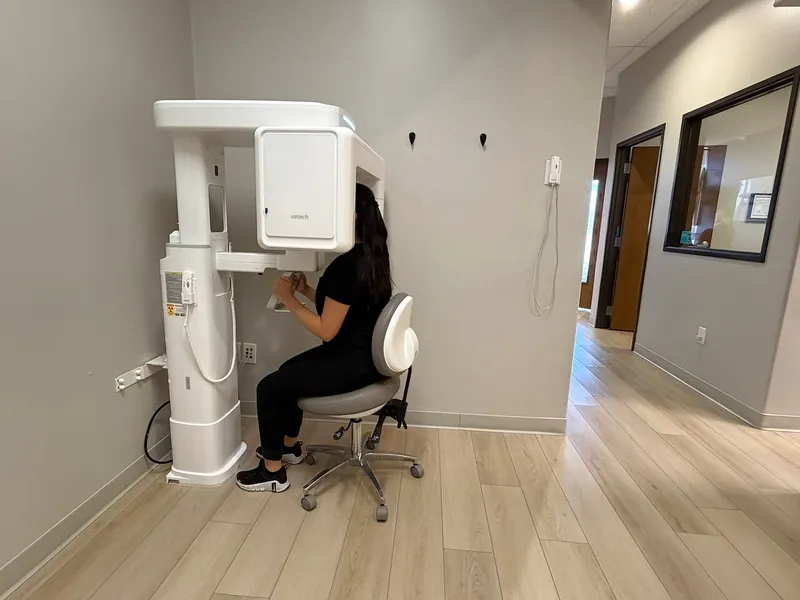
Low-radiation cone-beam CT
When roots, bone levels or the jaw joint need a closer look before teeth move, a cone-beam scan gives a 3D view a flat X‑ray cannot.
Invisalign questions Plano patients ask us
Have one we have not covered? Call 972-265-9033 during office hours and you will reach the front desk.
 VeneersConsider it when the goal is the shape and color of a few front teeth, not where they sit.
 Crowns & BridgesConsider it when a crooked tooth is also broken or heavily filled and needs strength.
 Cosmetic DentistryWhitening, veneers, bonding and aligners, planned around your goals.
 Teeth WhiteningProfessional whitening in the office or with custom trays at home.