Root canal treatment in Plano to save the tooth when it can be saved
If a tooth throbs at night or aches when you bite, the nerve inside may be inflamed or infected, and a root canal can usually save it. Your first visit is an exam and an X‑ray you see on the screen, with every option explained in plain words. You leave with a written, itemized quote for the root canal and the crown. Nothing starts until you say yes.
Does the tooth throb at night, and does the word root canal scare you?
Most people who ask about root canals are really asking one thing: will it hurt. The tooth is numbed before anything starts, and we check that it is fully numb before we begin. Most patients say it felt like a long filling.
The pain that sends people to us is usually the infection itself. Removing the inflamed tissue is what typically ends that ache, so many people feel better within a few days.
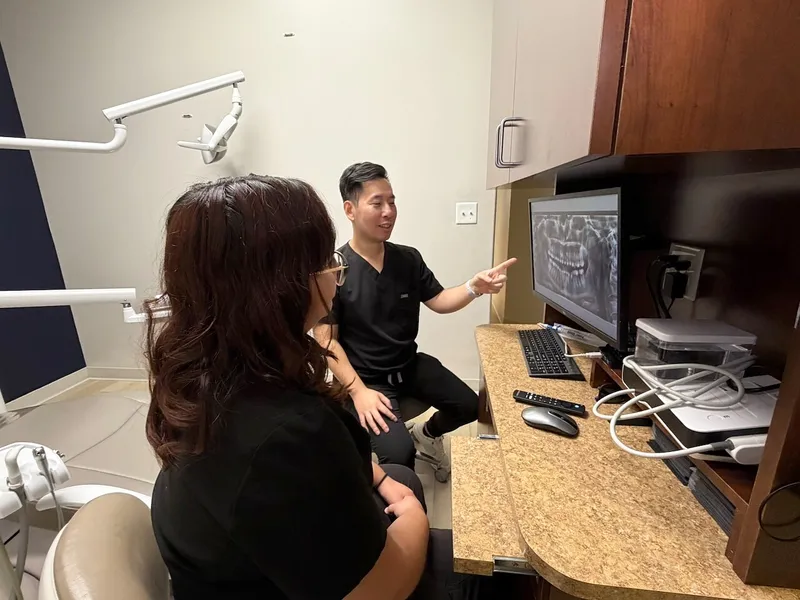
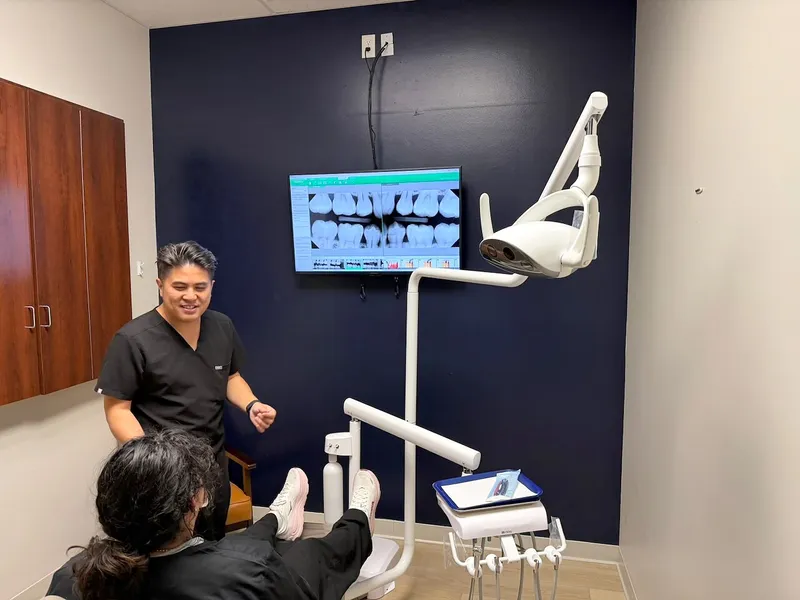
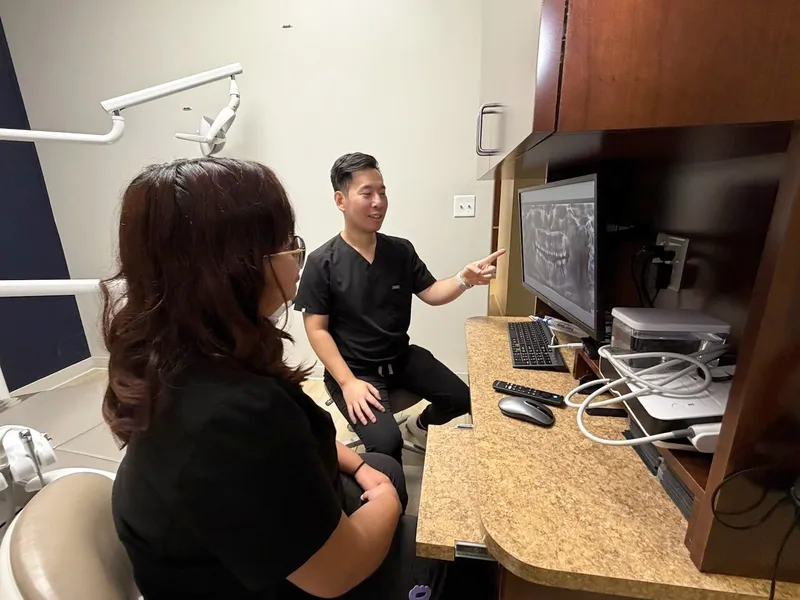
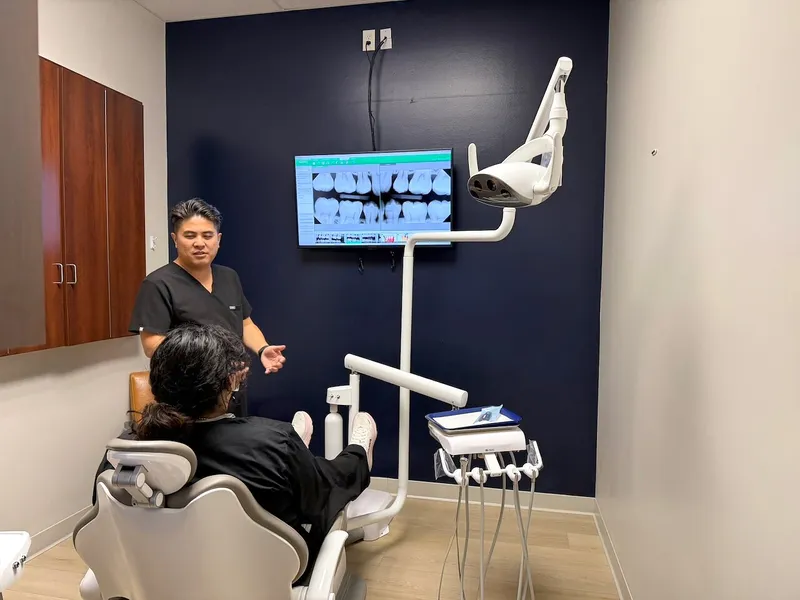
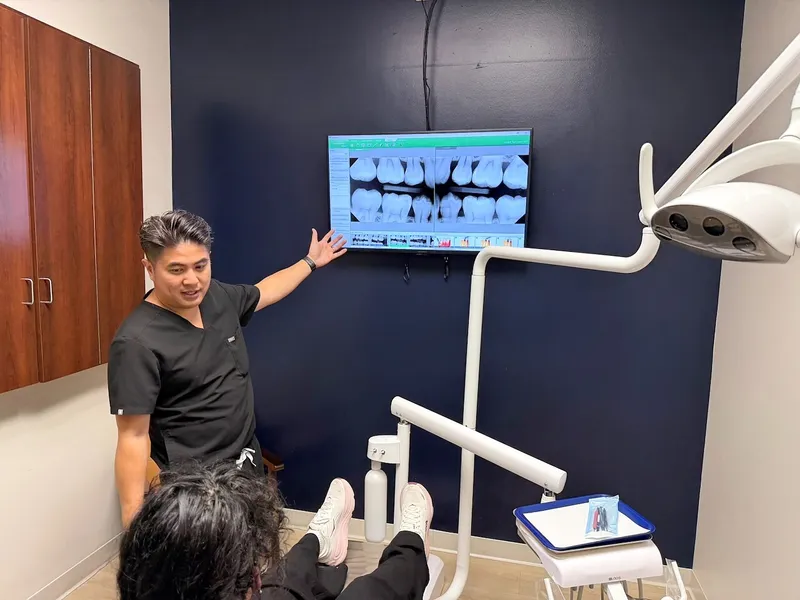
Your X‑rays go up on the screen beside the chair, and you decide from there.
- “It wakes me up at night”A throbbing ache without a trigger often means the nerve is inflamed.
- “I have been taking painkillers for a week”They mask the ache but do not reach the cause.
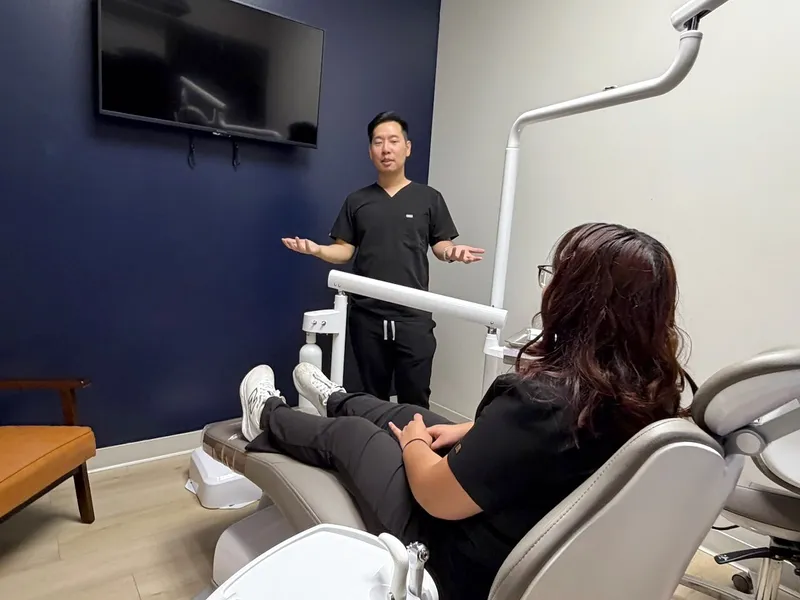
- “Honestly, I am scared of the chair”Tell us when you call. We explain each step first and go at your pace.
What is a root canal?
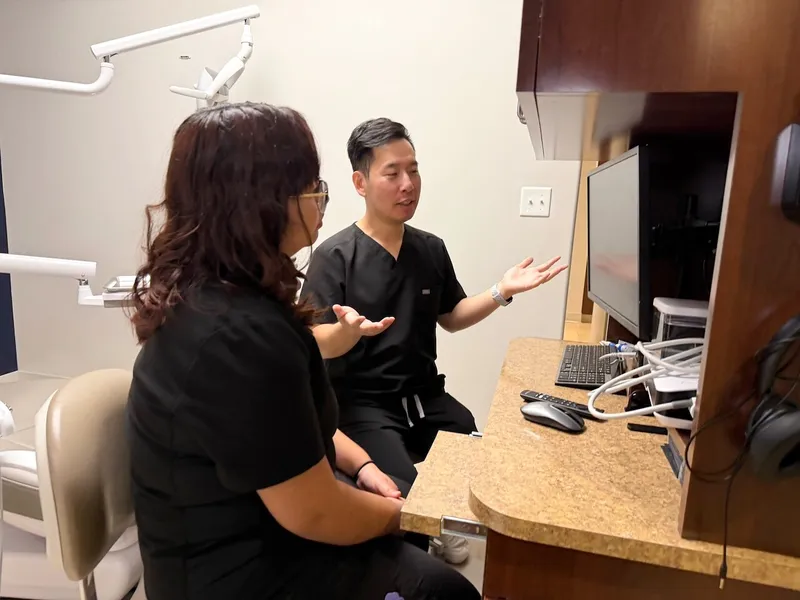
A root canal removes inflamed or infected pulp from inside a tooth, then cleans, disinfects, fills and seals the canals so the tooth can stay instead of being pulled. Most root canals here take one or two visits of about 60 to 90 minutes each. Most back teeth then need a crown, and with the in-office mill that crown is often made the same day.
Your first visitYou see the X‑ray on the screen and hear the plan before anything is decided.
Do you need a root canal? The signs to watch for
Only an exam and imaging can say for sure.
You may need a root canal if
- A toothache wakes you at night, throbs without a trigger, or lingers after something hot or cold.
- Biting or tapping on the tooth hurts, or the gum near it is swollen, tender or has a small pimple-like bump.
- A tooth has darkened, or a deep cavity, a crack or a large old filling sits close to the nerve. Sometimes there is no pain, and an X‑ray shows a dark spot at the root.
What happens at your first visit
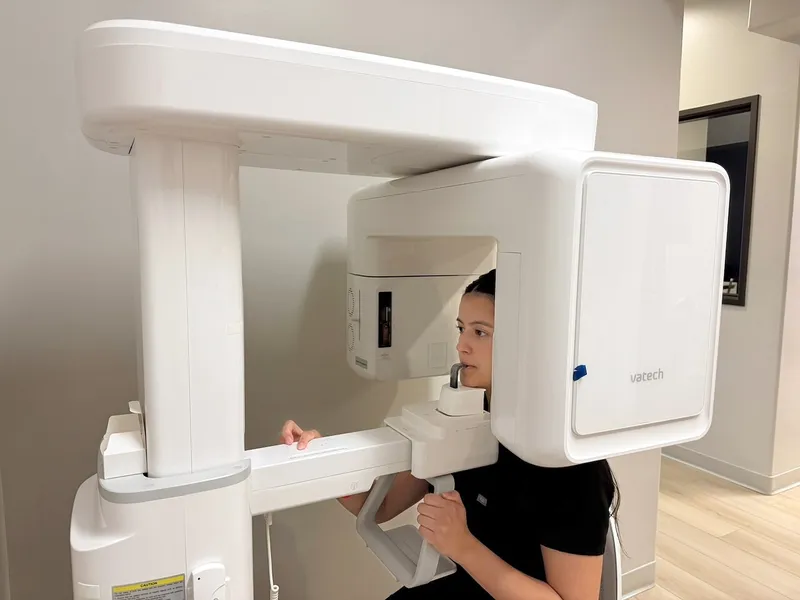
- An exam, a cold test and an X‑ray, shown on the screen
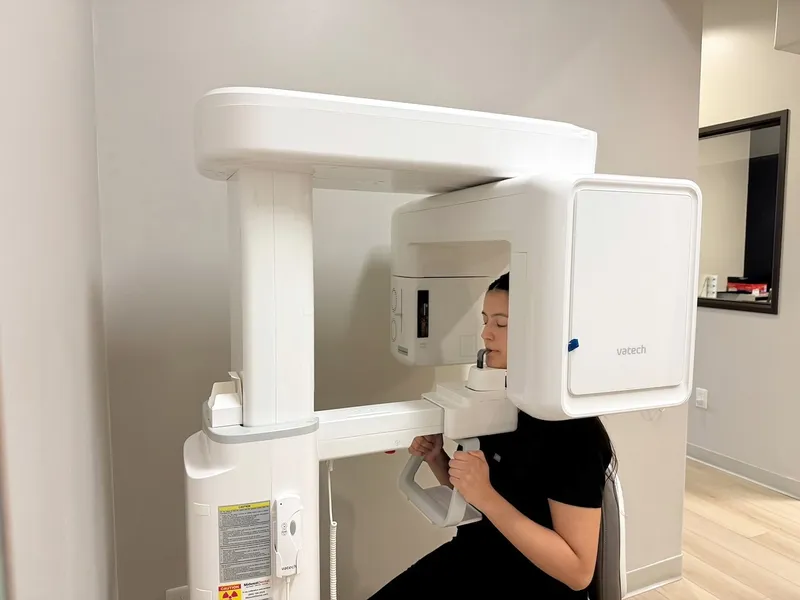
- A low-radiation 3D scan when the canals look complex
- Every option explained, including extraction and waiting
- A written, itemized quote for the root canal and the crown
What changes once the tooth is treated?
Results vary from tooth to tooth. This is what most people notice once the tooth is treated.
-
01
The ache ends
Removing the inflamed tissue removes the source.
-
02
Your own tooth stays
Roots and all, so nothing has to be replaced.
-
03
The infection is cleared
The canals are cleaned, disinfected and sealed.
-
04
Protected the same day, often
A crown shields the tooth, often made here the same visit.
-
05
The bone stays put
Keeping the root keeps the jaw working around it.
-
06
Often less than replacing it
Saving a tooth usually costs less over time than replacing it.
Root canal or extraction: which is right for your tooth?
When a tooth is infected there are two real choices. Your X‑rays and how much healthy tooth is left decide.
| At a glance | Most asked aboutRoot canal and crown | Option 2Extraction and replacement |
|---|---|---|
| What happens | Pulp removed, canals sealed, crown on top | The tooth is removed; the gap is left open or filled later |
| Your natural tooth | Kept, roots and all | Gone for good |
| Visits | Usually one or two, plus a crown often made the same day | Usually one for the extraction, more if you replace the tooth |
| Healing | Tender for a few days in most cases | The gum closes in one to two weeks; the bone takes months |
| What comes next | A crown protects the tooth from cracking | An implant, bridge or partial, or the neighbors drift |
| Cost over time | Often lower than removing and replacing it | Lower on the day, higher once a replacement is added |
| Best when | Enough healthy tooth and bone remain | The tooth is cracked below the gum or cannot be rebuilt |
Removal is covered on our tooth extractions page. | ||
Reviewed by our own patients
Custerpoint Family Dental averages 4.8 stars across 234 public Google reviews, as of September 8, 2026, so you can read them yourself before you call. Results vary from person to person, so your visit covers what is realistic for your tooth.
Read the reviews on GoogleWhat happens during a root canal?
Five stages across one to three visits, depending on the tooth and the infection.
- 01
Exam and imaging
Dr. Tam or Dr. Chiem examines the tooth, tests how it responds to cold and pressure, and takes X‑rays. For back teeth with curved or extra canals, a low-radiation cone-beam CT shows the canals in 3D.
- 02
Numbing and isolation
The area is numbed, and we check that it is fully numb before we begin. A thin rubber sheet called a dental dam keeps the tooth clean and dry. If you are anxious, tell us when you book and we will talk through your comfort options.
- 03
Cleaning and shaping
Through a small opening in the top of the tooth, the infected pulp is removed and each canal is cleaned, shaped and disinfected with very fine instruments.
- 04
Sealing
The canals are filled with a rubber-like material called gutta-percha and sealed, and a filling closes the opening. A badly infected tooth may be medicated between two visits so it can calm down first.
- 05
The crown
Most molars and premolars need a crown afterward, because a treated tooth can become brittle. With our in-office mill, that crown is often made and placed in the same appointment. See crowns and bridges.
How do you care for a tooth after a root canal?
Most people are surprised by how ordinary it feels.
- The first day
Wait for the numbness to pass
Do not eat until the numbness wears off, so you do not bite your cheek. Take over-the-counter pain relief as directed, and finish any antibiotic as prescribed.
- Until the crown is on
Chew on the other side
Avoid hard or sticky food on the tooth, brush gently around it, and keep the crown appointment, because an uncrowned molar can crack. If a temporary filling falls out, call us.
- The first week
Call if anything changes
Soreness usually fades within a few days. Call if swelling grows, a bump appears on the gum or pain gets worse after day three.
If anything feels wrong, call 972-265-9033 during office hours.
No surprisesNothing starts until you have a written quote and you feel ready.
How much does a root canal cost in Plano?
It depends on which tooth it is and what it needs afterward, so we give you a number after the exam. A front tooth usually has one canal, while a molar can have three or four.
What moves the number
- Which tooth it is, and how many canals it has
- Whether a cone-beam CT scan is needed
- Whether the tooth needs a post, a buildup and a crown
- Whether an earlier root canal is being retreated
Good to knowMany PPO plans cover part of a root canal and the crown, up to your annual maximum.
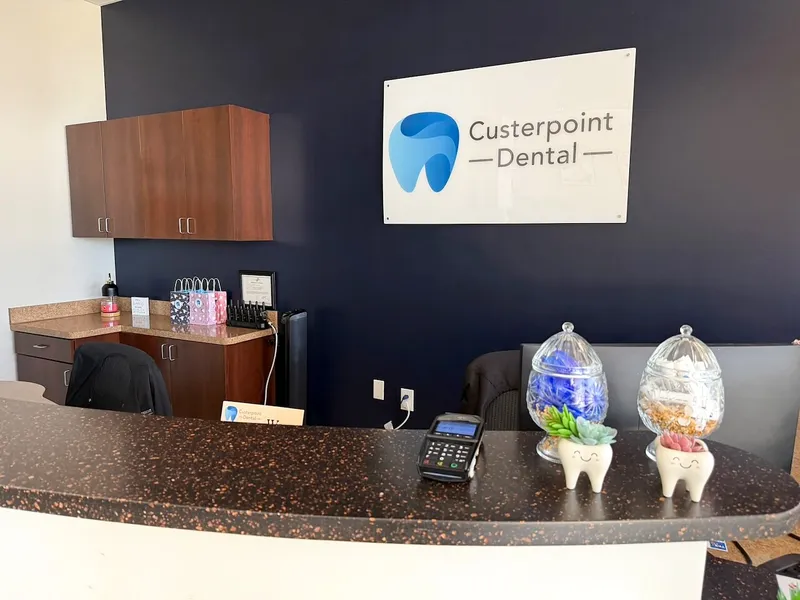
Before treatment starts, you get a written, itemized quote showing the root canal, the crown and what your insurance is expected to pay. If anything changes, we update the quote first.
The details are on our insurance and financing page.
Who does your root canal, and what do they use?
Most root canals are done here by Dr. Tam or Dr. Chiem, and you see your X‑rays before anything starts.
 Dr. Larry TamGeneral dentist and ownerA Plano native and Texas A&M Baylor College of Dentistry graduate, caring for Dallas-area patients for more than ten years.
 Dr. Johnny ChiemGeneral dentistYears of clinical experience and a gentle, compassionate approach; he walks you through your X‑rays on the screen before anything is decided.
The tooth is numbed first and we check that it is fully numb before we begin, so most people feel pressure rather than pain. We explain each step first. Tell us when you book and we will talk through your comfort options.
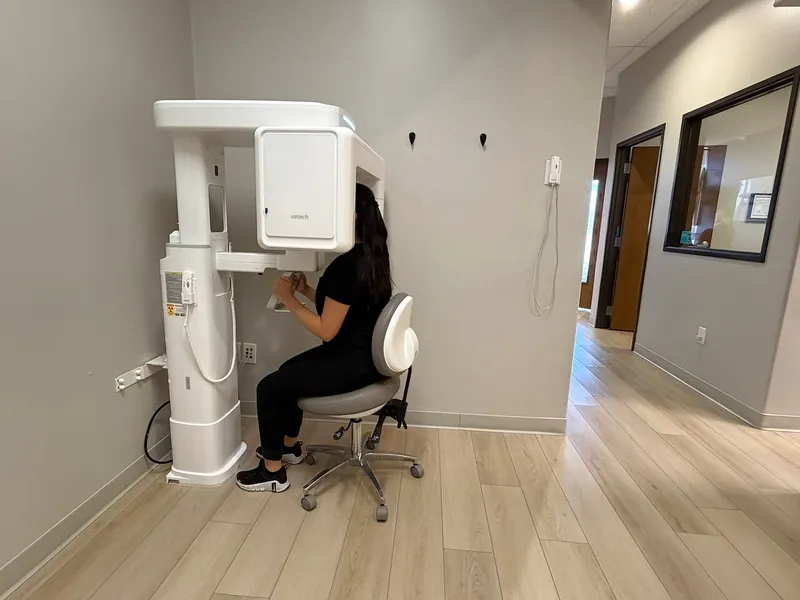
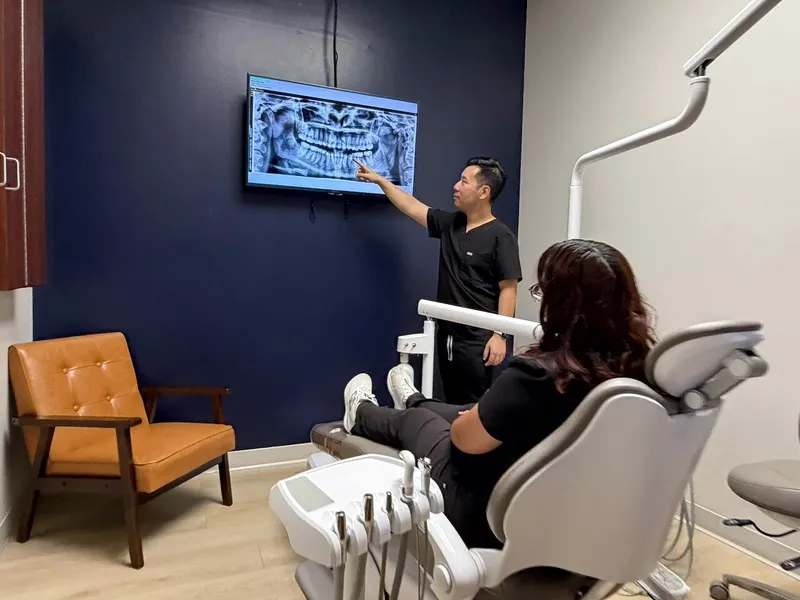
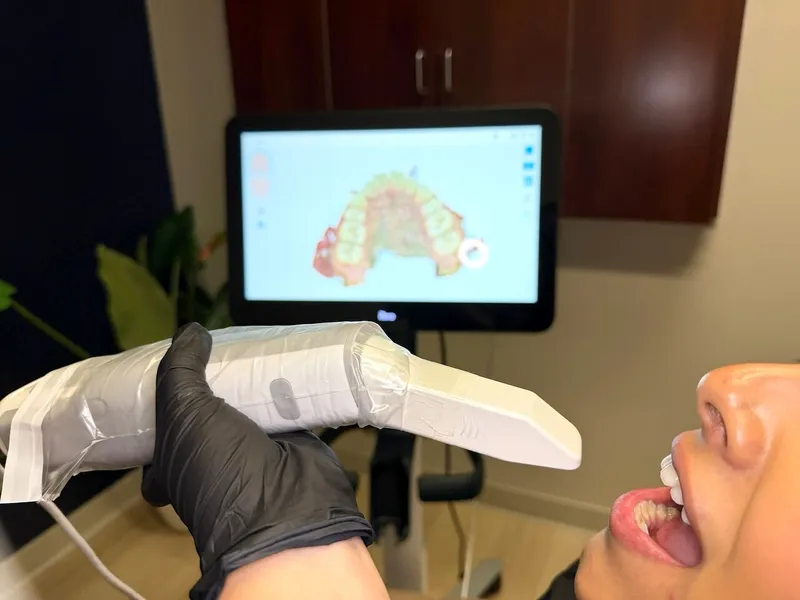
- 01
Low-radiation cone-beam CT
A 3D scan shows canal shapes, hidden extra canals and infection at the root tip that a flat X‑ray can miss. We use it when the anatomy is complex.
- 02
Chairside screens
Your X‑rays go up on the screen beside your chair, so you see the infection and the plan for yourself.
- 03
iTero scanner and Glidewell mill
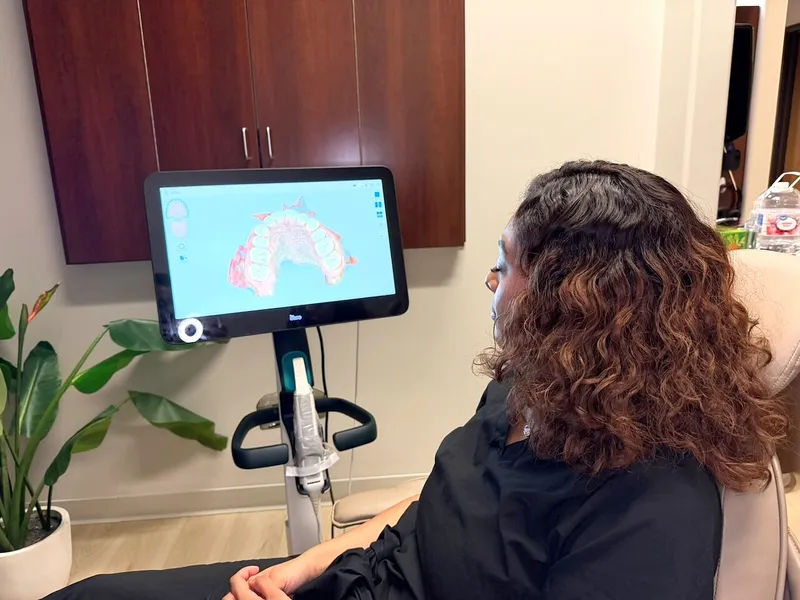
After treatment, a digital scan replaces the goopy impression, and the mill cuts the crown right here, usually in the same appointment.
Root canal questions Plano patients ask us
Have one we have not covered? Call 972-265-9033 during office hours and you will reach the front desk.
 Tooth ExtractionsConsider it when a tooth is cracked below the gum or cannot be rebuilt.
 Dental ImplantsConsider it to replace a tooth that cannot be saved.
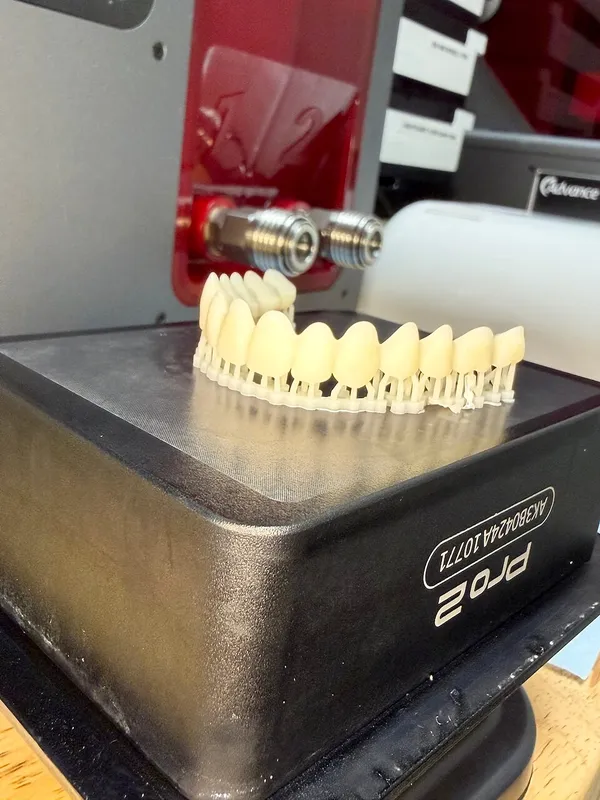 Crowns & BridgesCrowns milled here in the office, most of them seated in a single visit.
 Emergency DentistrySame-day weekday visits for toothaches and broken teeth.