
Veneers in Plano, previewed on screen before anything is permanent
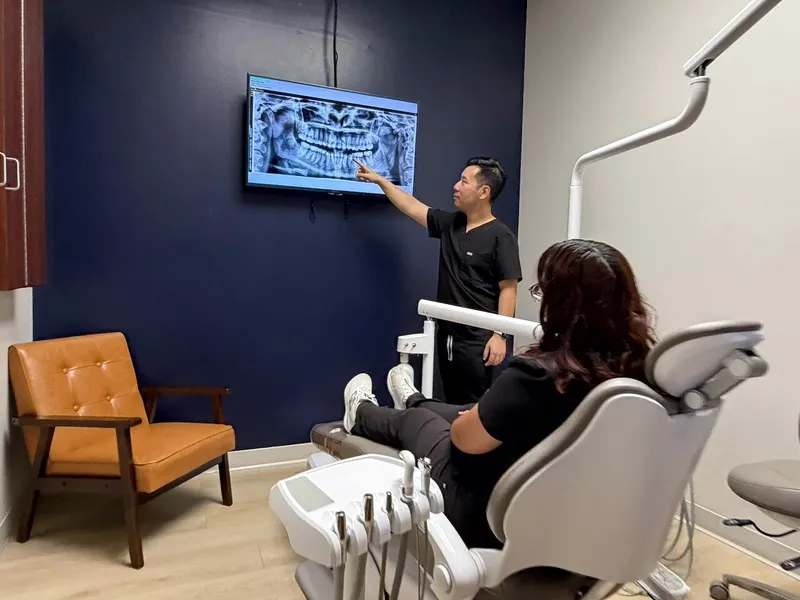
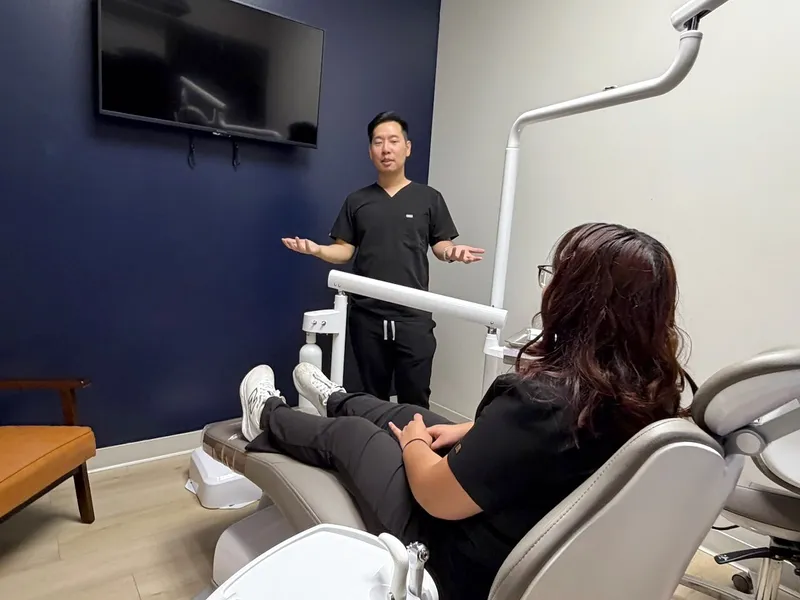
If a chipped edge, a stubborn stain or a small gap is the first thing you see in every photo, porcelain veneers can change all three at once. Your first visit is a conversation, a quick digital scan and a look at your options on the screen beside the chair. You go home with a written, itemized quote that lists every visit and every part. No enamel is touched until you say yes.
Do you cover your mouth when you laugh?
Many adults have one front tooth they notice in every photo. A chipped corner, an edge shorter than the rest, a stain that whitening never shifted. It does not hurt, so it is easy to leave for years, and nobody here will hurry you.
A chipped or worn edge tends to keep wearing, because the teeth around it take the load unevenly. A stain deep inside the enamel will not respond to gel, however long you use it. Neither is dangerous. Both can be fixed.
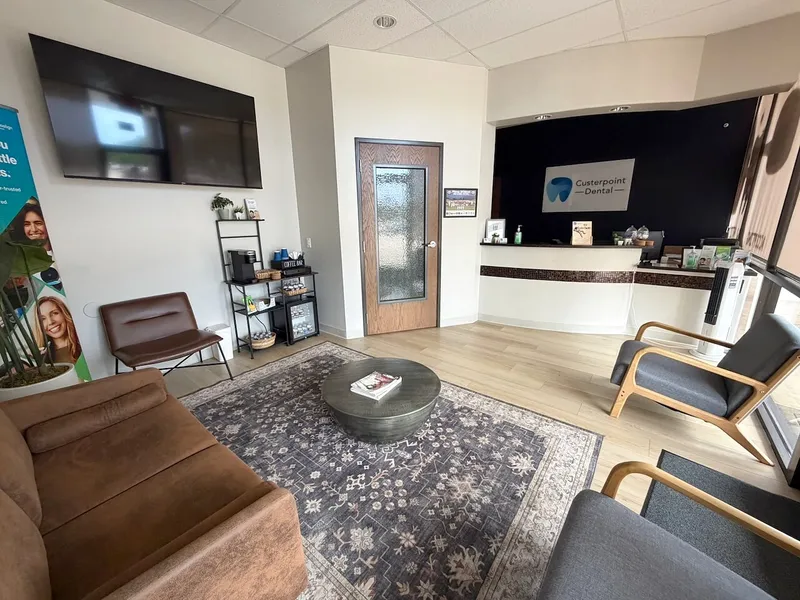
A consult is a look and a conversation. You see your own teeth on the screen, hear every option, and then you can go home and think about it.
- “I turn my head in photos”One tooth is shorter or darker than the rest, and you have learned to angle away from it.
- “I whitened, and the color still is not right”Some stains sit deep in the enamel. Covering them is often easier than bleaching them.
- “I do not want a smile that looks fake”Neither do we. Shade, length and the small irregularities of natural teeth are decided with you, on screen.
What are porcelain veneers?
A porcelain veneer is a thin, custom-made shell bonded to the front surface of a tooth to change its shape, shade, length or spacing. It covers the part you see when you talk and laugh, and the tooth underneath stays your own. Most veneer cases take two to three visits over a few weeks, and you preview the new shape before anything is permanent. With good care, veneers typically last 10 to 15 years.
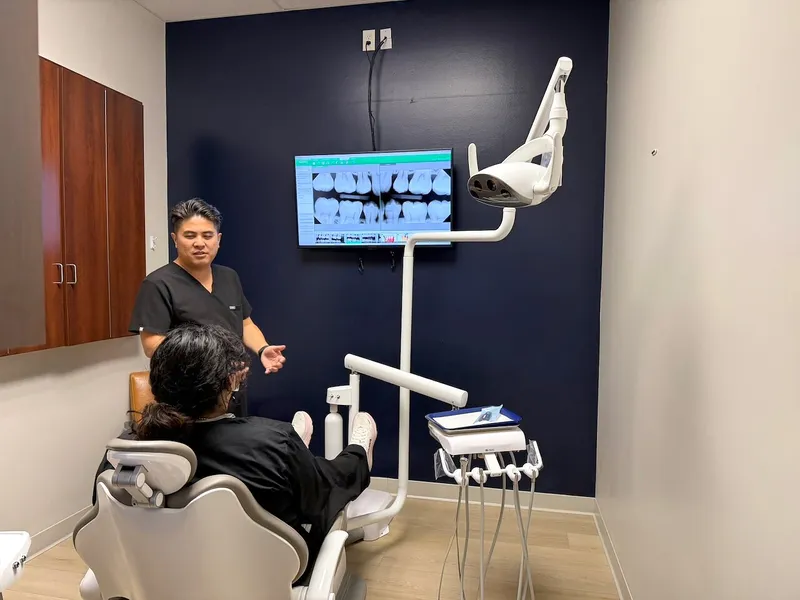
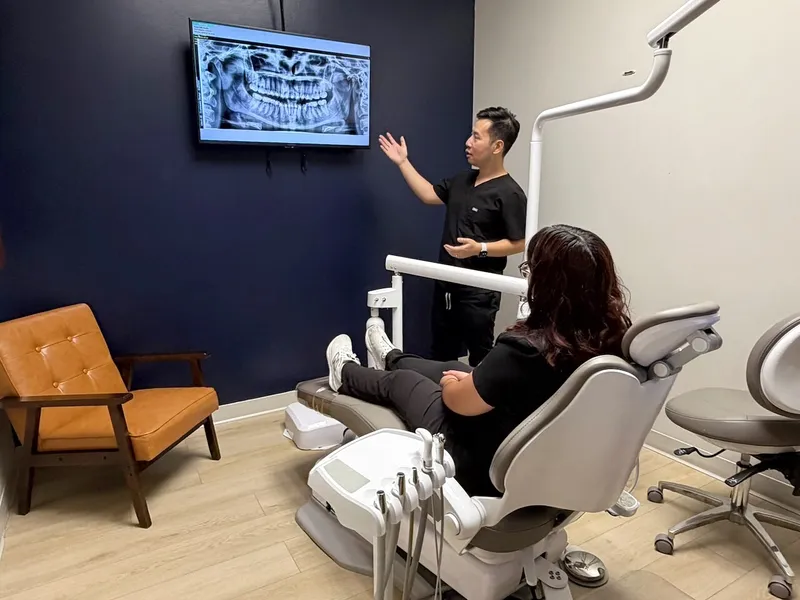
Your first visitYou see your own teeth on the screen and hear every option before anything is decided.
Are you a good candidate for veneers?
Most adults with healthy teeth and gums can have veneers. The honest answer comes from a scan and an exam.
You may be a good fit if
- Chips, stains, gaps or uneven edges on your front teeth bother you, and there is enough healthy enamel for a veneer to bond to.
- Your gums are healthy and you have no untreated decay, or you are happy to treat both first.
- You do not grind heavily, or you will wear a night guard to protect the porcelain.
What happens at your first visit
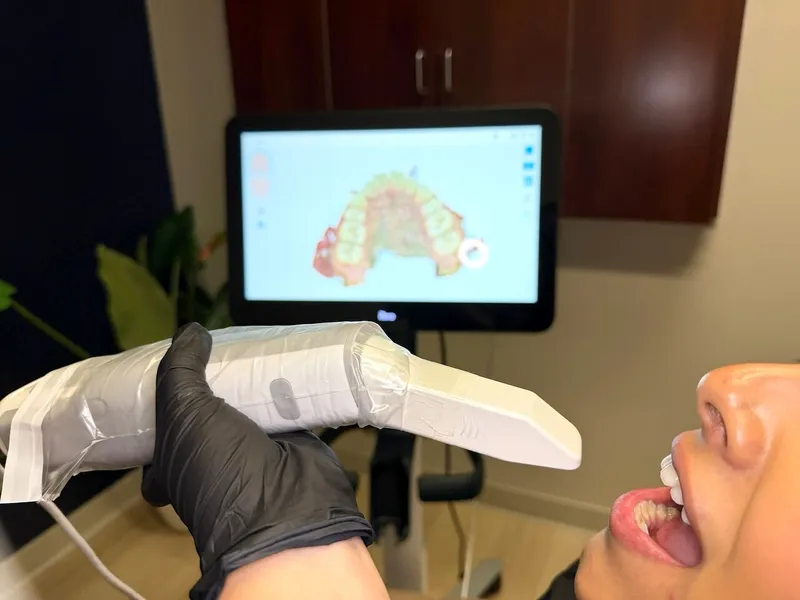
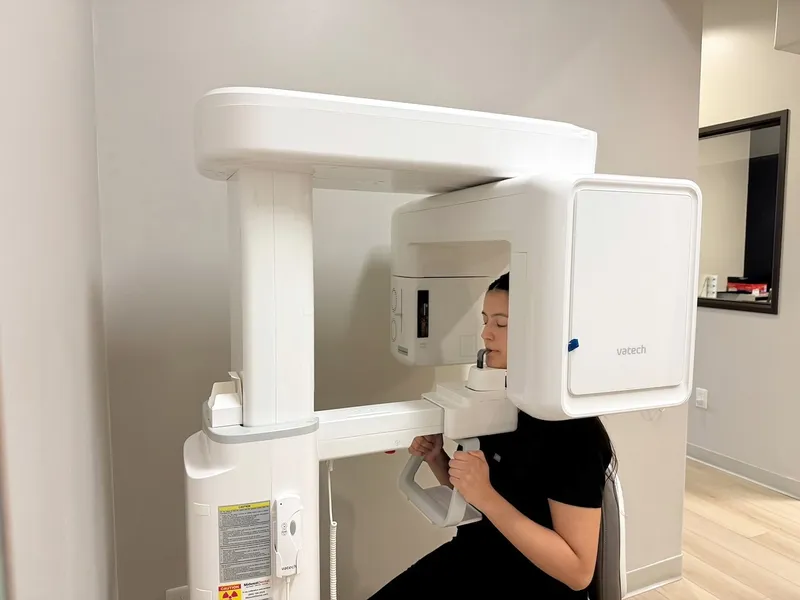
- A quick iTero scan and smile photos, with no impression putty
- Every option explained, including the smaller fixes
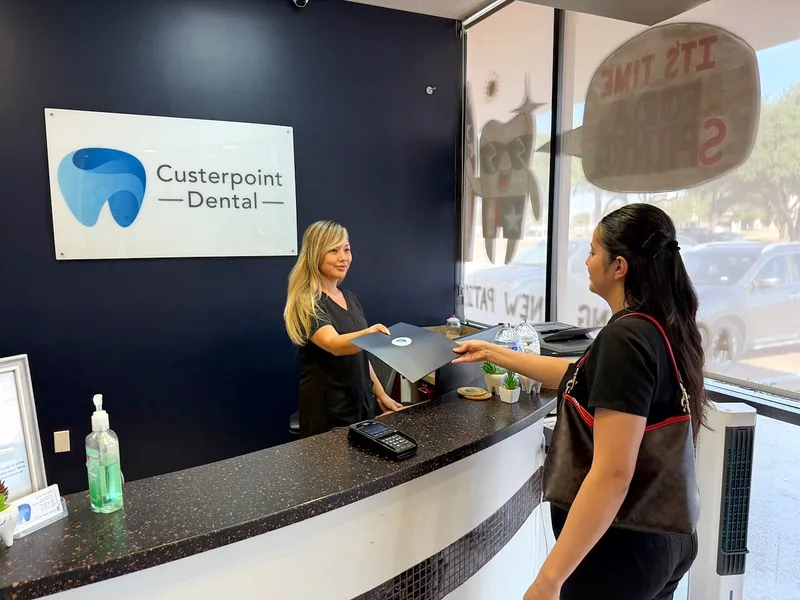
- A written, itemized quote to take home
- Your PPO benefits checked for you
What changes once your veneers are on?
Veneers are built for the six to ten upper teeth that show when you talk and laugh. Results vary from person to person, and your consult sets realistic expectations.
-
01
Chips and worn edges are covered
The shell restores the length and the corner the tooth has lost.
-
02
A shade that looks like yours
Color and translucency are matched to your face and your other teeth, not picked from a chart.
-
03
Porcelain holds its color
Porcelain resists coffee and tea stain better than natural enamel does.
-
04
You see the shape first
The proposed length and shape are previewed before anything is permanent.
-
05
Done in a few weeks, not a year
Most cases take two to three visits, which suits a date already on the calendar.
-
06
Smile in photos without thinking
If there is one tooth you hide in photos, tell us at the consult; it is often where the plan starts.
Veneers, bonding or crowns: which fits your teeth?
Three treatments can change how a front tooth looks. They differ in how much of the tooth they change, how long they last and what they cost over time. Lifespans are typical ranges from the Cleveland Clinic's patient guides, and yours depends on care and bite.
| At a glance | Most asked aboutPorcelain veneers | Option 2Composite bonding | Option 3Crowns |
|---|---|---|---|
| What it is | A thin porcelain shell on the front surface of the tooth | Tooth-colored resin sculpted onto the tooth | A cap that covers the whole tooth |
| Best for | Shape, shade and spacing across several teeth at once | A single chip or a small gap | A cracked, heavily filled or root-canal-treated tooth that needs strength |
| Tooth removed | A thin layer of enamel, often about 0.5 mm | Little or none | More, on all sides of the tooth |
| Visits | Usually two to three | Usually one | Often one, with our Glidewell mill |
| Typically lasts | 10 to 15 years or longer | About 3 to 10 years | About 5 to 15 years |
| Stain resistance | High; porcelain resists coffee and tea | Moderate; resin can pick up stain over time | High for ceramic crowns |
| Relative cost | Higher per tooth | Lower per tooth | Higher per tooth |
There is no wrong answer here, and results vary. A consult with your scan on the screen usually settles it. Crowns are covered on our crowns and bridges page, and if crowding is the main issue, Invisalign first can mean fewer veneers later. | |||
Reviewed by our own patients
Custerpoint Family Dental averages 4.8 stars across 234 public Google reviews, as of September 8, 2026, so you can read them yourself before you call. Results vary from person to person, so your consult covers what is realistic for your teeth. Any cosmetic case we publish will be a real patient's result, shared with written permission.
Read the reviews on GoogleWhat happens at each stage of getting veneers?
A typical case runs in five steps across two to three visits, usually over a few weeks. We explain each stage before it starts, and you decide when to go ahead.
- 01
A conversation, a scan and smile photos
We start with what you want changed. Dr. Tam checks your teeth and gums, takes an iTero scan and smile photos, and walks through the options on the chairside screen, including the smaller fixes. You leave with a written quote. If you want your other teeth whiter, whitening is scheduled first so the porcelain is matched to the new shade.
- 02
Design and preview
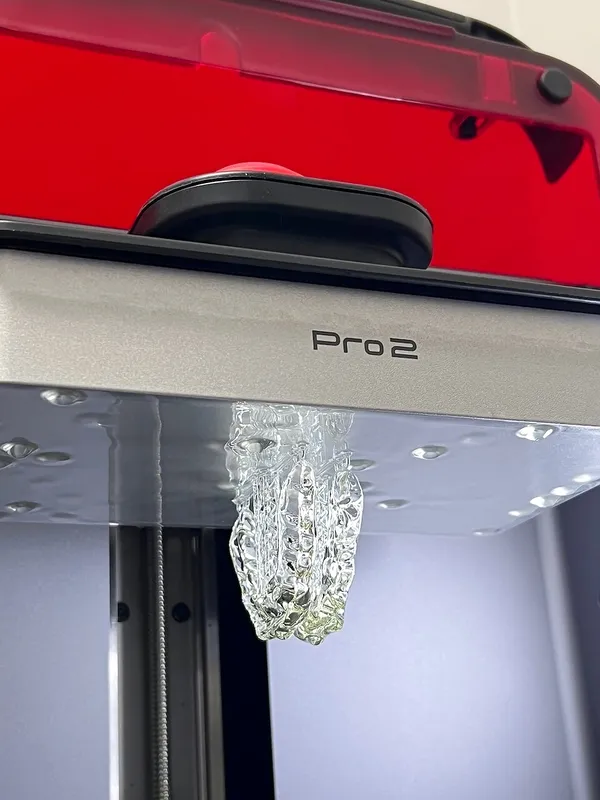
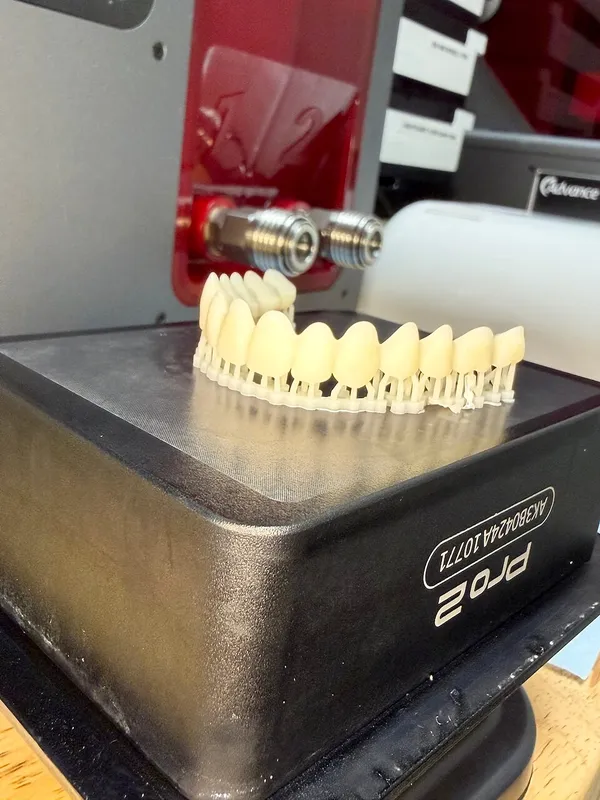
Your new tooth shapes are designed on the digital model, with length checked against your lip line and width balanced against your face. A preview printed in our office lets you see the shape before any enamel is touched, and it is the moment to ask for changes.
- 03
Preparation, with the teeth numbed first
The teeth are numbed, so most people feel pressure rather than pain. A thin layer of enamel, often about half a millimeter, is removed so the veneer sits flush. Provisional veneers printed in our office go on the same day, so you are never without front teeth. Wearing them is a test drive of the new shape.
- 04
Try-in before anything is bonded
When the porcelain is ready, each veneer is tried in first. Shade, length and bite are checked in natural light, and you look too. Only when you and the dentist are both happy are they bonded in place.
- 05
Follow-up and protection
A short check a week or two later confirms your bite and gum health. If you grind, a custom night guard is part of the plan. Results vary, but the goal is a tooth you stop thinking about.
No surprisesNothing is booked until you have a written quote and you feel ready.
How much do veneers cost in Plano?
It depends on how many teeth are involved and what your mouth needs first, so nobody can give you a firm number before an exam and a scan. Some cases are one or two teeth; others cover the six to ten that show in a full smile. An advertised per-veneer price can leave out the consult, the preview, the provisionals or the try-in, and those are what make a veneer look right. It is always fair to ask what a quote includes.
What moves the number
- How many teeth show when you smile, and how many need veneers
- Whether decay, old fillings or gum disease need treatment first
- Whether whitening comes first, to set the shade for your other teeth
- The porcelain type, custom shading, and a night guard if you grind
Good to knowVeneers are usually elective, so most insurance plans do not cover them. Related work, such as a filling, sometimes is, and we check your plan before you decide.
After your consult you get a written, itemized quote that lists every visit and every part, including the preview, the provisionals and the try-in.
Want the detail first? Our guide walks through what veneers cost and what changes the price.
Who plans your veneers, and how do they do it?
Veneers are measured in fractions of a millimeter. Dr. Tam and Dr. Chiem design the case on a digital scan and show you the plan on the screen before any enamel is touched.
 Dr. Larry TamGeneral dentist and ownerA Plano native and Texas A&M Baylor College of Dentistry graduate, caring for Dallas-area patients for more than ten years.
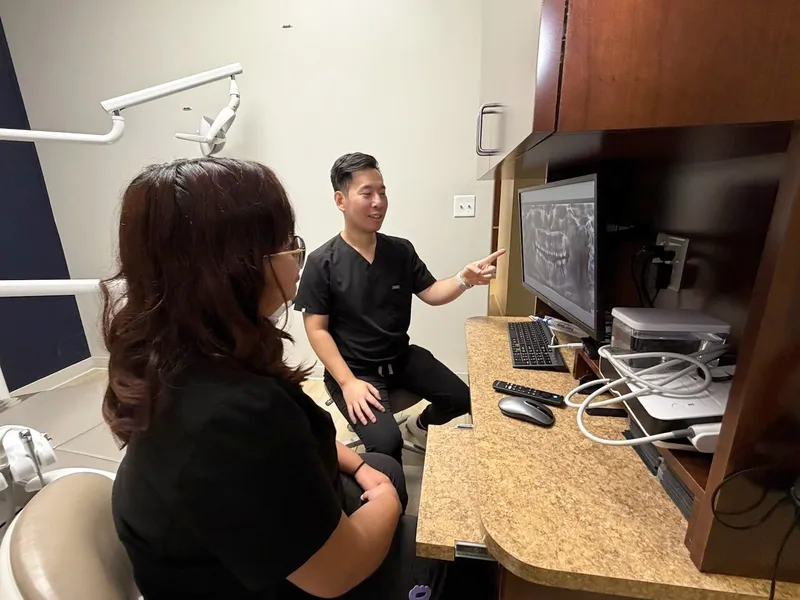
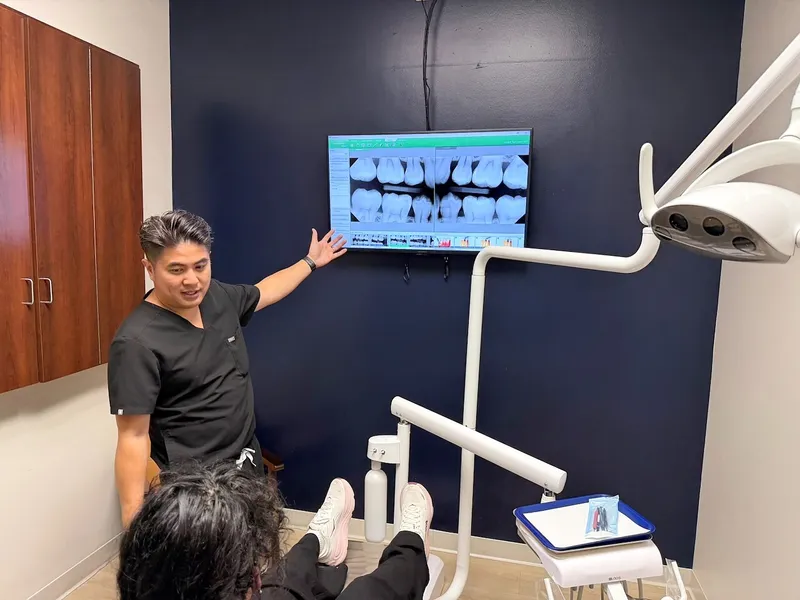
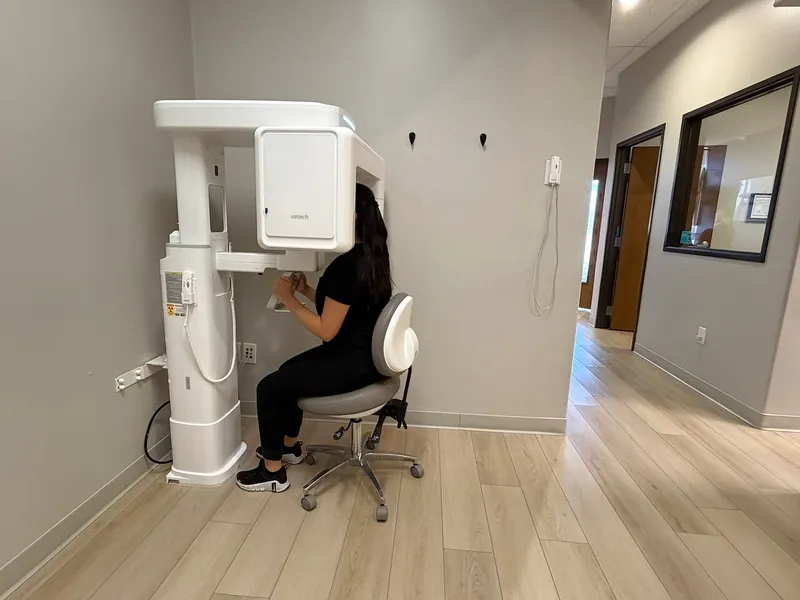
 Dr. Johnny ChiemGeneral dentistYears of clinical experience and a gentle, compassionate approach; he walks you through your X‑rays on the screen before anything is decided.
The teeth are numbed before any enamel is removed, so most people feel pressure rather than pain. We explain each step first, go at your pace, and you can raise a hand to pause at any point.
- 01
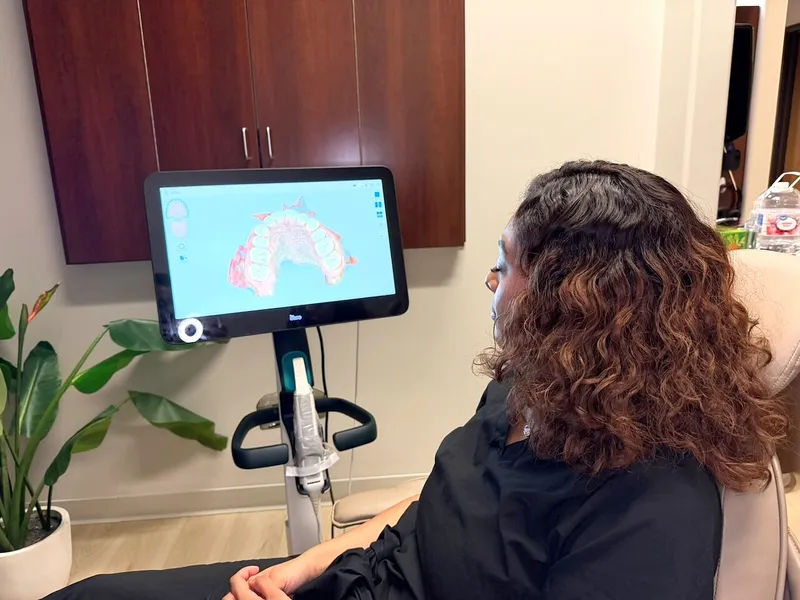
iTero digital scanner
Records your teeth in 3D in a few minutes, with no impression putty. The scan is the starting point for the veneer design.
- 02
In-office 3D printing
Prints your models, your preview and your provisional veneers here, so you can see and feel the shape before the porcelain is made.
- 03
Chairside screens
Your scan, photos and proposed shapes are on the screen beside the chair while the decisions are made, so you can point at exactly what you want changed.
Veneer questions Plano patients ask us
Have one we have not covered? Call 972-265-9033 during office hours and you will reach the front desk.
 Teeth WhiteningConsider it when color is the only thing you want to change.
 InvisalignConsider it when crowding or gaps are the main issue and your teeth are otherwise sound.
 Crowns & BridgesConsider it when a tooth needs strength, not only a new face.
 Cosmetic DentistryWhitening, veneers, bonding and aligners, planned around your goals.