
Crowns and bridges in Plano, milled here in the office
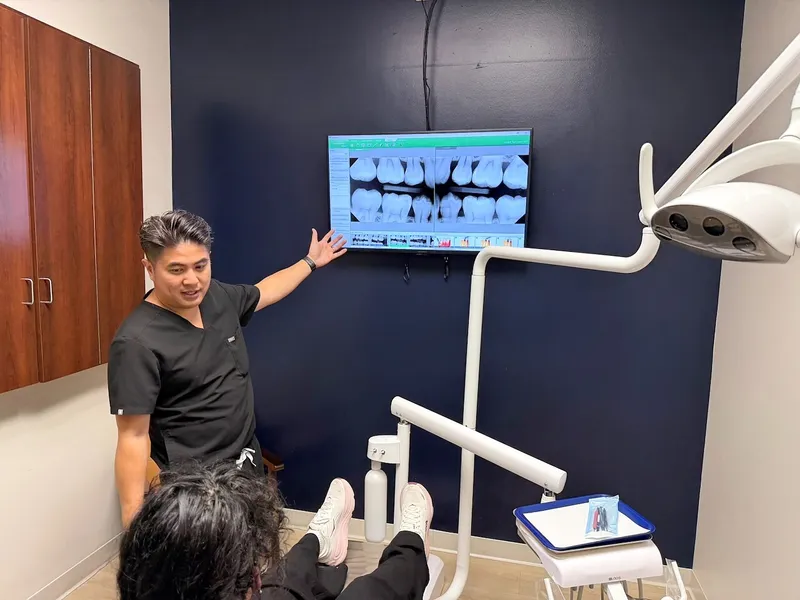
If a tooth has cracked, or a filling keeps breaking, you do not have to face two appointments and weeks in a temporary. Most crowns here are scanned, designed and milled while you wait, so you usually leave with the permanent crown in place. Before anything starts, you see the tooth on the screen, hear every option in plain words and get a written, itemized quote. Nothing is done until you say yes.
Cracked a tooth, and dreading the temporary crown?
Most people know the old routine. One visit to shape the tooth and take a goopy impression, weeks in a temporary, then a second visit and a second round of numbing. It is a lot to arrange around work.
It helps to know what waiting does. A cracked or heavily filled tooth rarely gets better on its own. The crack can spread toward the root, and a tooth that a crown could have saved may then need a root canal or removal.
None of this needs deciding today. An exam and a scan show you where the tooth stands.
- “It hurts when I bite and let go”That sharp release pain is often a crack you cannot see yet.
- “I cannot take two afternoons off”Most crowns here are finished in one visit, with one round of numbing.
- “Honestly, I am nervous about dentists”Tell us when you call. We explain each step first and go at your pace.
What is a dental crown, and can you get one in a day?
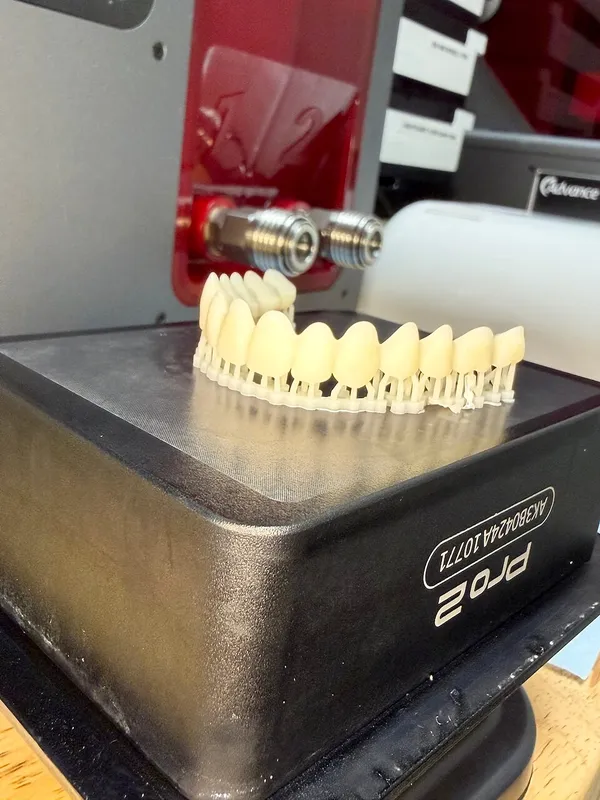
A crown is a custom cap that covers a damaged tooth to restore its shape, strength and bite. A bridge replaces a missing tooth by crowning the teeth on either side of the gap and joining a false tooth between them. Here, most crowns are scanned, designed, milled and cemented in a single appointment on an in-office Glidewell mill. Some complex cases, and most bridges, still go to a dental lab and take two visits about two to three weeks apart.
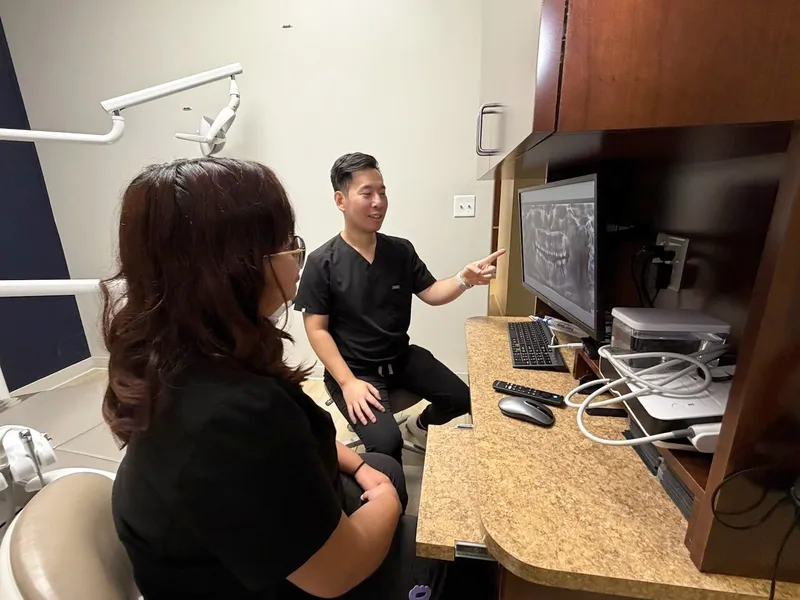
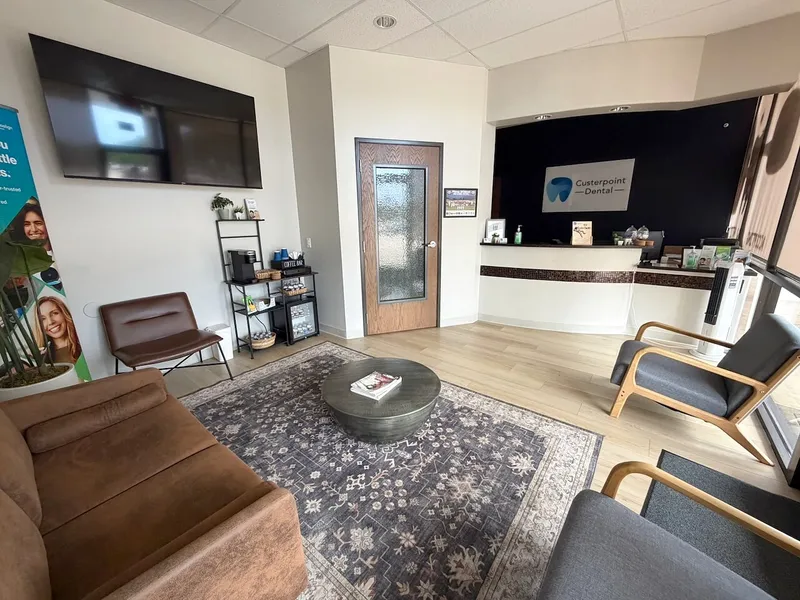
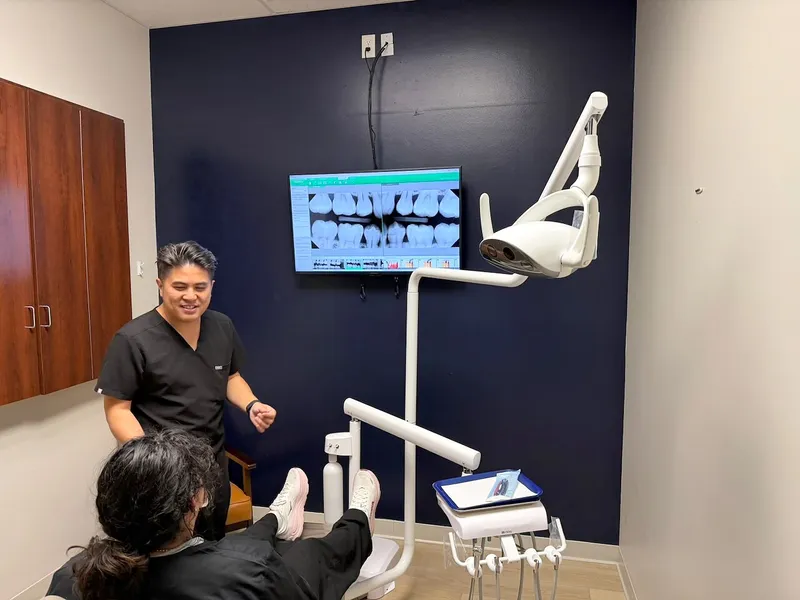
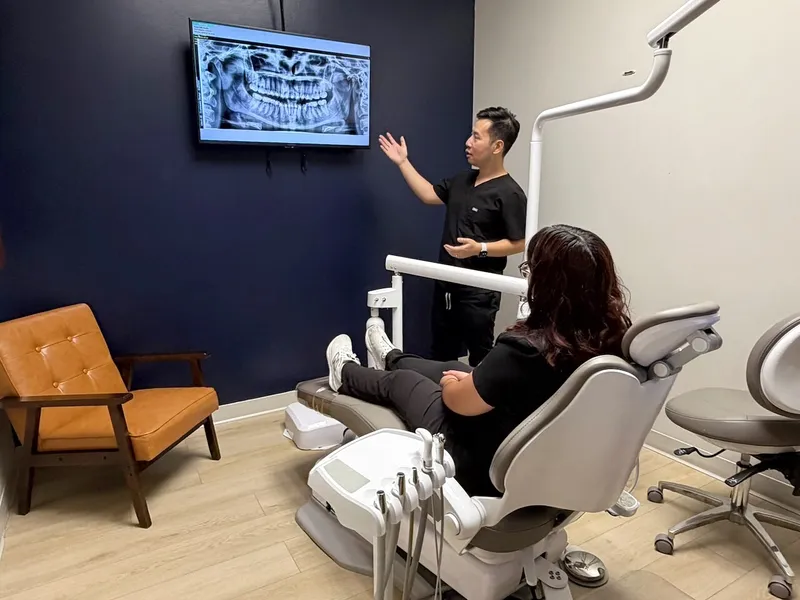
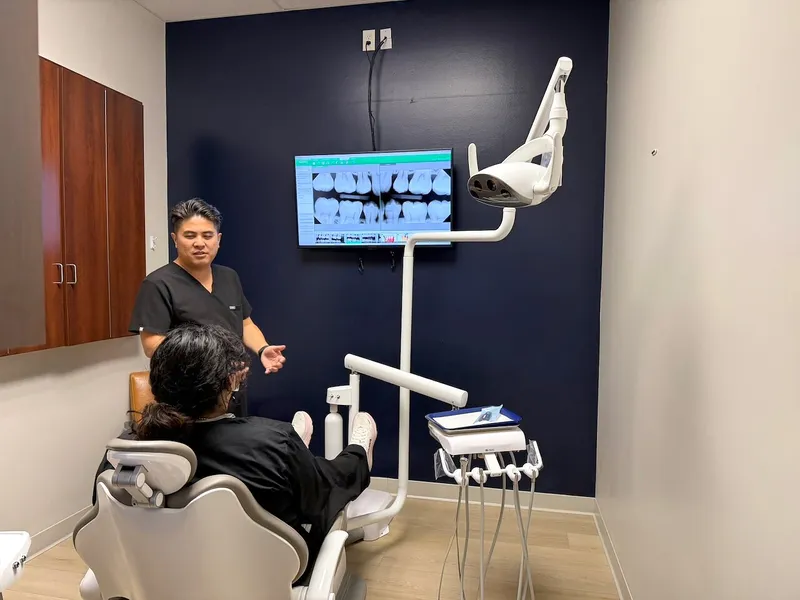
Your first visitYou see the tooth on the screen and hear the plan before anything is decided.
Do you need a crown or a bridge?
For most adults, a crown becomes the right repair when a filling is no longer enough. The honest answer comes from an exam and an X‑ray.
You may need one if
- A tooth has cracked or broken, or it hurts sharply when you bite down and release.
- A filling has grown so large that little natural tooth is left, or a back tooth has had a root canal.
- An old crown has a dark line, a chip or a gap, or you are missing a tooth and the neighbors already carry large fillings.
What happens at your first visit
- An exam and an X‑ray, shown on the screen beside the chair
- Every option explained, including a filling, a crown or a bridge
- A written, itemized quote before any numbing
- Your PPO benefits checked for you
What is different about a crown made in the office?
Results vary, and not every crown can be made in a day. When it can, this is what most people notice.
-
01
One visit instead of two
You arrive with a broken tooth and usually leave with the permanent crown in place.
-
02
No goopy impressions
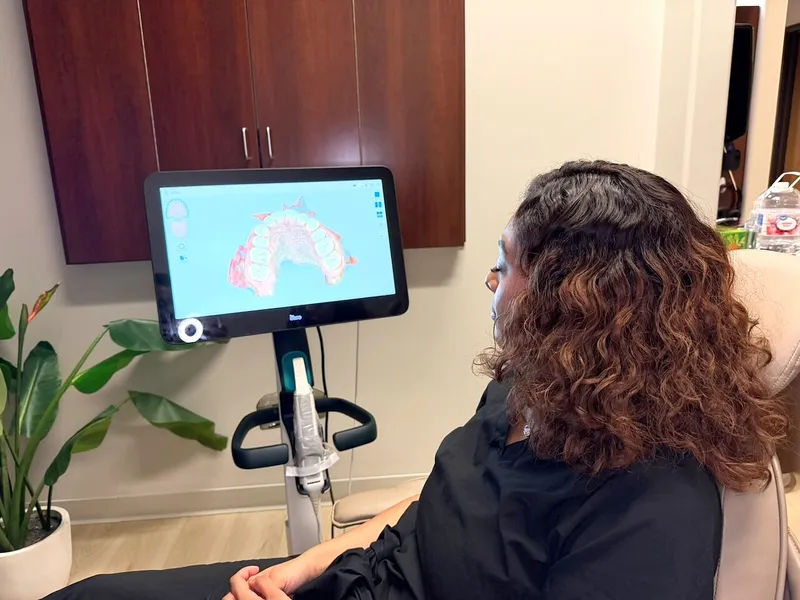
A small scanning wand replaces the tray of putty.
-
03
Numbed once
One round of anesthetic for the whole job.
-
04
Watch it designed
The crown takes shape on the chairside screen while you watch.
-
05
No temporary to live with
Nothing to pop off over the weekend.
-
06
Made to last, with care
Crowns often last 10 to 15 years or more. A night guard protects them if you grind.
Same‑day crown, lab crown or bridge: what is the difference?
Crowns cover a tooth you still have. Bridges replace one you have lost.
| At a glance | Most asked aboutSame‑day crown | Option 2Lab-made crown | Option 3Bridge |
|---|---|---|---|
| What it does | Covers and protects a damaged tooth | Covers and protects a damaged tooth | Replaces a missing tooth using crowns on the teeth either side |
| Visits | Usually one | Usually two, about two to three weeks apart | Usually two |
| Temporary crown | None | Yes, worn between visits | Usually, between visits |
| Numbing | Once | Usually twice | Usually twice |
| Made where | Milled here in the office | An outside dental lab | Usually an outside dental lab |
| Effect on other teeth | Only the damaged tooth is shaped | Only the damaged tooth is shaped | The two teeth beside the gap are shaped to hold it |
| Cleaning | Brush and floss like a natural tooth | Brush and floss like a natural tooth | A floss threader or water flosser under the false tooth |
| Typical lifespan | Often 10 to 15 years or more | Often 10 to 15 years or more | Often 10 to 15 years |
| Often best for | Back teeth and most single-tooth repairs | Complex color matching and unusual cases | A gap where the neighboring teeth already need crowns |
Missing a tooth rather than repairing one? Compare a bridge with a dental implant before you decide. | |||
Reviewed by our own patients
Custerpoint Family Dental averages 4.8 stars across 234 public Google reviews, as of September 8, 2026, so you can read them yourself before you call. Results vary from person to person, so your visit covers what is realistic for your tooth.
Read the reviews on GoogleWhat happens during a same‑day crown visit?
Five stages inside one appointment, so plan on one longer visit. Lab crowns and bridges follow the same steps, then a second visit two to three weeks later.
- 01
Numbing and preparing the tooth
The area is numbed first, so most people feel pressure rather than pain. Dr. Tam or Dr. Chiem removes any decay or old filling and shapes the tooth. If the damage is deeper than the X‑ray suggested, you hear about it first.
- 02
The iTero scan, a few minutes
The prepared tooth, its neighbors and your bite are scanned with a small wand. There is no impression tray, and the 3D model appears on the chairside screen as it builds.
- 03
Designing the crown on screen
We design the crown to fit the prepared tooth and meet the teeth above it in a comfortable bite. You can watch, and ask about the shape or shade.
- 04
Milling in the office
The design goes to our Glidewell mill, which cuts the crown from a solid block while you rest in the chair or the waiting room. Depending on the material, it may be finished and fired before fitting.
- 05
Fitting and cementing
We try the crown in, check the fit and bite, polish it and cement it. If anything feels high when you bite that evening, call us; a small adjustment usually fixes it.
No surprisesThe number is settled in writing before the numbing.
How much does a crown cost in Plano?
It depends on the tooth and what it needs underneath the crown, so any quote before an exam and X‑ray is a guess. Ask whether a quote includes the buildup, the temporary and any adjustments.
What moves the number
- Which tooth it is, and how much natural tooth is left
- Whether decay, a crack, a root canal or a buildup comes first
- The crown material: strength for back teeth, appearance for front teeth
- For a bridge, how many teeth it spans and the health of the teeth holding it
Good to knowMany PPO plans pay part of a crown that is needed for function, sometimes after a waiting period and up to your annual maximum.
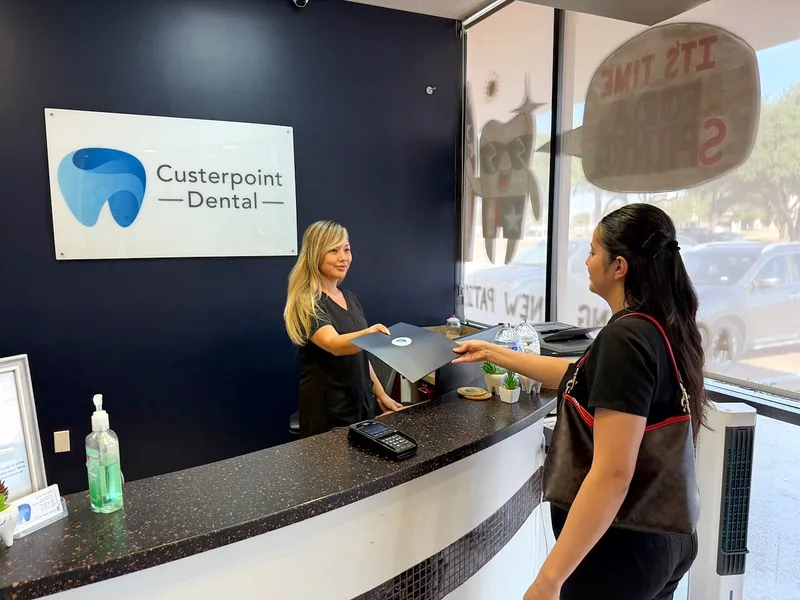
You get a written, itemized quote before we start, showing what your plan is expected to cover and what you owe. If anything changes, we explain why and update the quote first.
The details are on our insurance and financing page.
Who makes your crown, and what makes same‑day possible?
One Visit. Done. is Dr. Tam's own line for it. He and Dr. Chiem design every crown on the chairside screen, and the machines here replace the lab trip.
 Dr. Larry TamGeneral dentist and ownerA Plano native and Texas A&M Baylor College of Dentistry graduate, caring for Dallas-area patients for more than ten years.
 Dr. Johnny ChiemGeneral dentistYears of clinical experience and a gentle, compassionate approach; he walks you through your X‑rays on the screen before anything is decided.
The tooth is numbed first, and we check that it is fully numb before we begin, so most people feel pressure rather than pain. If you need a break, the milling stage is a natural one.
- 01
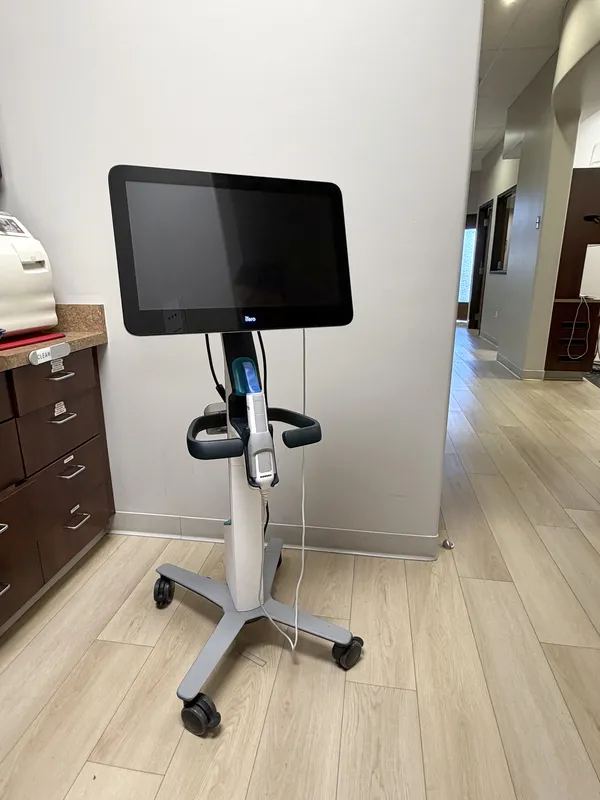
iTero digital scanner
Records the prepared tooth and your bite in a few minutes, replacing impression putty. The crown is designed directly from that scan.
- 02
Glidewell in-office mill
Mills the crown from a solid block right here, with no lab trip and no temporary. In Dr. Tam's words, most crowns are scanned, designed and seated in one appointment.
- 03
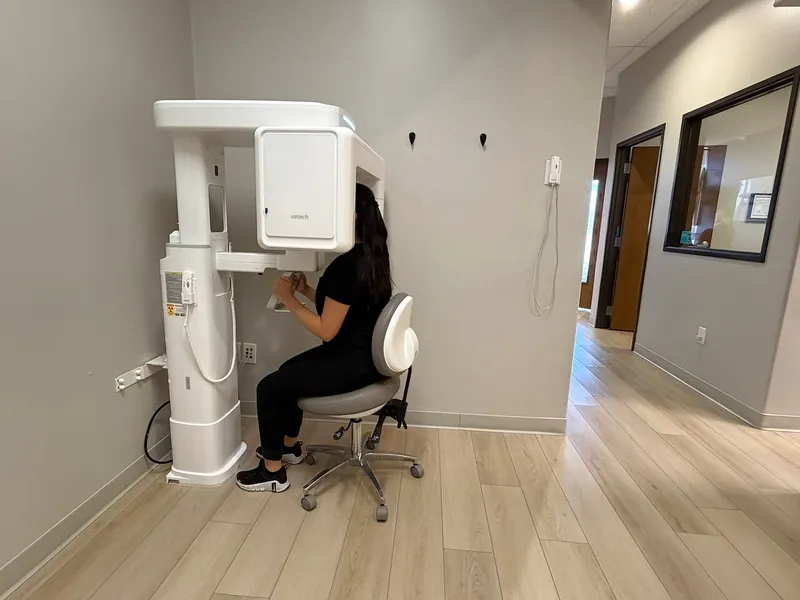
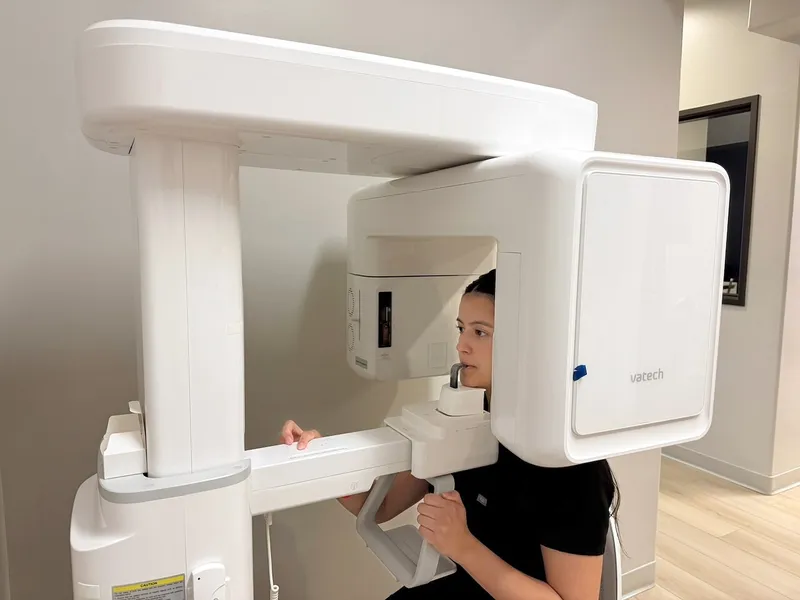
Low-radiation cone-beam CT
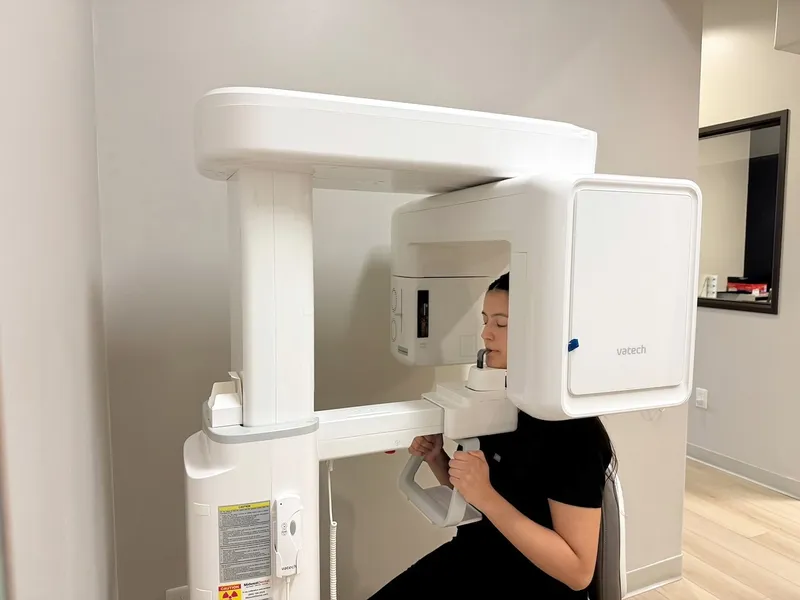
When a crack may run into the root, a 3D scan helps show whether the tooth can hold a crown at all. Most crowns do not need it.
Crown and bridge questions Plano patients ask us
Have one we have not covered? Call 972-265-9033 during office hours and you will reach the front desk.
 VeneersConsider it when a front tooth is sound and you want to change its shape or color, not its strength.
 Dental ImplantsConsider it when a tooth cannot be saved, or you want to fill a gap without reshaping the teeth beside it.
 Root CanalsRelief from a painful tooth, and the tooth saved where possible.Drill Free DentistryTreating small cavities without the drill, when the tooth allows it.