Full mouth restoration in Plano: one plan for the whole mouth, done in phases
If you have spent years fixing one tooth at a time and the list keeps getting longer, you do not have to sort it out today. Your first visit is a conversation, a set of 3D scans and a tooth-by-tooth look at what is going on. You hear every option in plain words, phase by phase, and you leave with a written, itemized quote for each phase. Nothing is booked until you feel ready.
Tired of fixing one tooth at a time, and still hurting?
Most people who ask about this have been patching for years. A crown here, a filling there, a tooth pulled when it could not be saved. Each visit fixed one thing, and the next problem was already waiting. You have not done anything wrong. It is what tends to happen when teeth are treated one at a time.
It helps to know what is going on underneath. Worn or missing teeth change how the jaws meet, so the teeth that are left carry more load than they were built for. That is why the chips, the sore jaw and the failing fillings tend to arrive together.
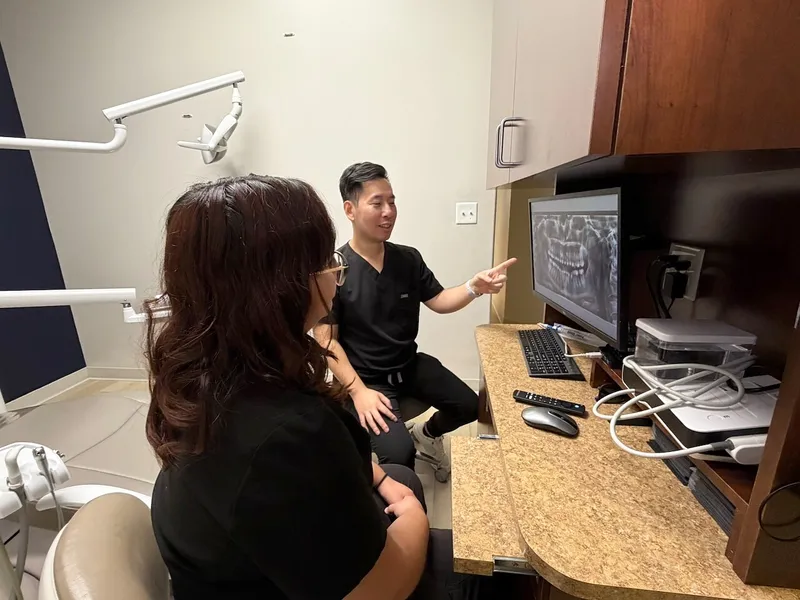
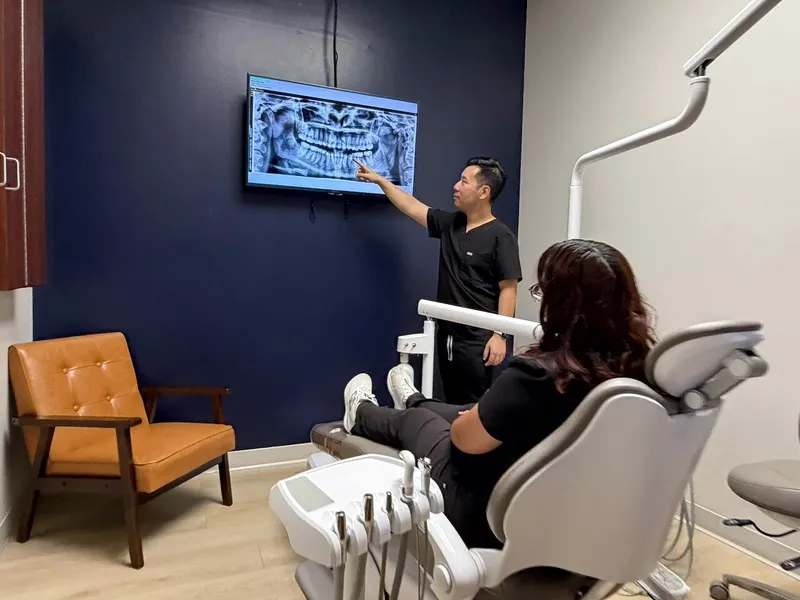
None of this has to be sorted out in one go. A first visit shows you the whole picture on a screen, and then you can go home and think about it.
- “I chew carefully, on the side that still works”Worn or missing teeth push the load onto the ones that are left, and those wear faster for it.
- “Every checkup brings a new surprise”When teeth are treated one at a time, the next repair is usually already on its way.
- “I am embarrassed by how long I have waited”Nobody here will lecture you. Tell us when you call, and we go at your pace with a plan instead.
What is full mouth restoration?
Full mouth restoration is one planned combination of treatments, such as crowns, implants, bridges, veneers and gum care, that rebuilds most or all of the teeth in both arches. Instead of treating teeth one at a time, every tooth, the gums, the bone and the bite are looked at together and put back in working order in a set sequence. Most plans run in phases over several months to a year or more, and you get on with normal life between them.
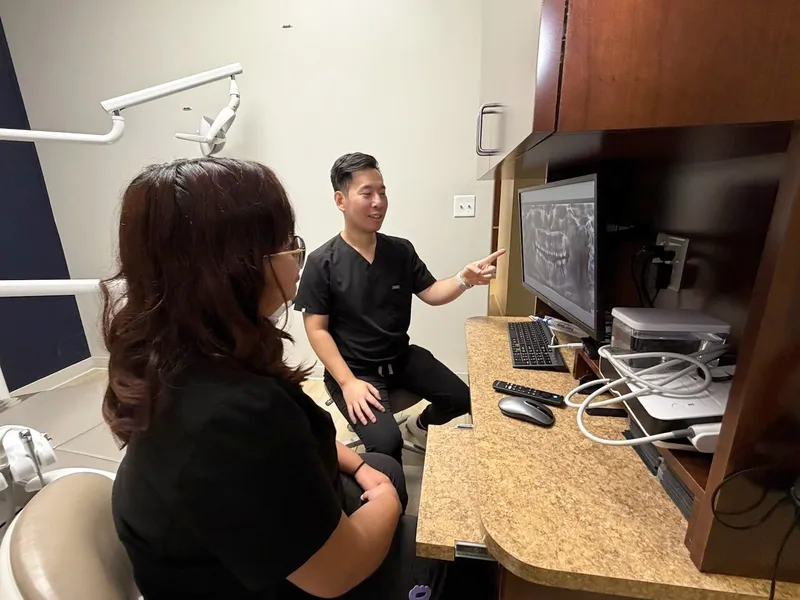
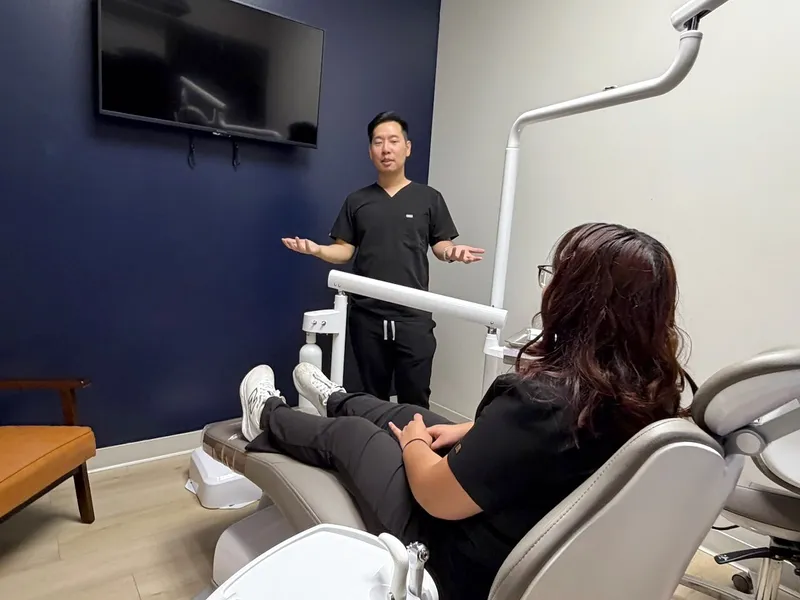
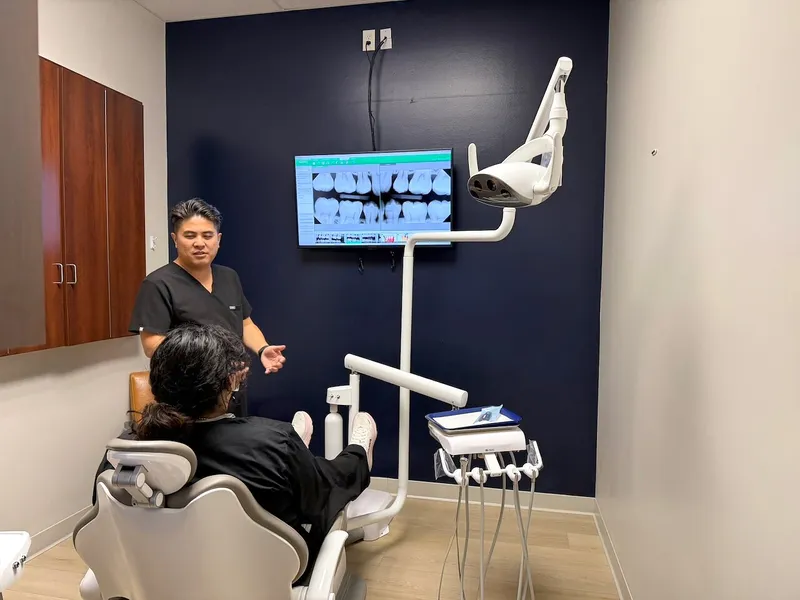
Your first visitYou see every tooth on the screen and hear the plan in plain words before anything is decided.
Could full mouth restoration be right for you?
It is a big decision, and it is not for everyone. If two or more of these sound familiar, a consult is worth your time. The honest answer comes from the scans, not from a web page.
You may be a good fit if
- Your teeth are worn short or flat, often from years of grinding or acid, and several need crowns, root canals or replacing at the same time.
- You are missing teeth, the ones beside the gaps have tipped or drifted, and your bite feels wrong or your jaw aches in the morning.
- Old dental work is failing in several places at once, and you would rather have one plan and one timeline than a new surprise at every checkup.
What happens at your first visit
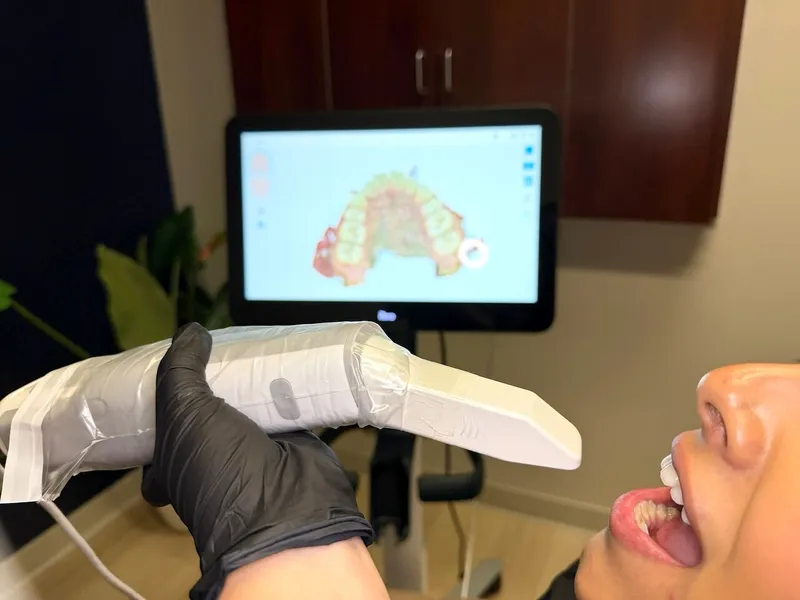
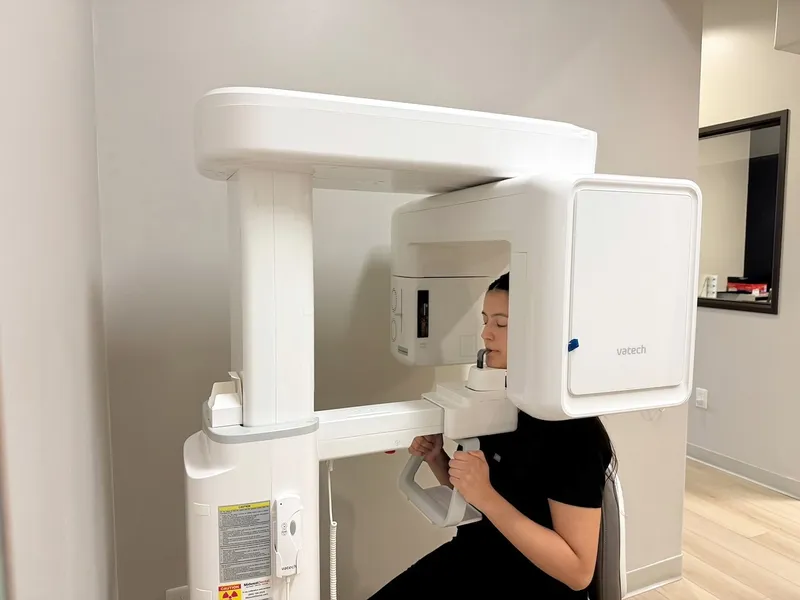
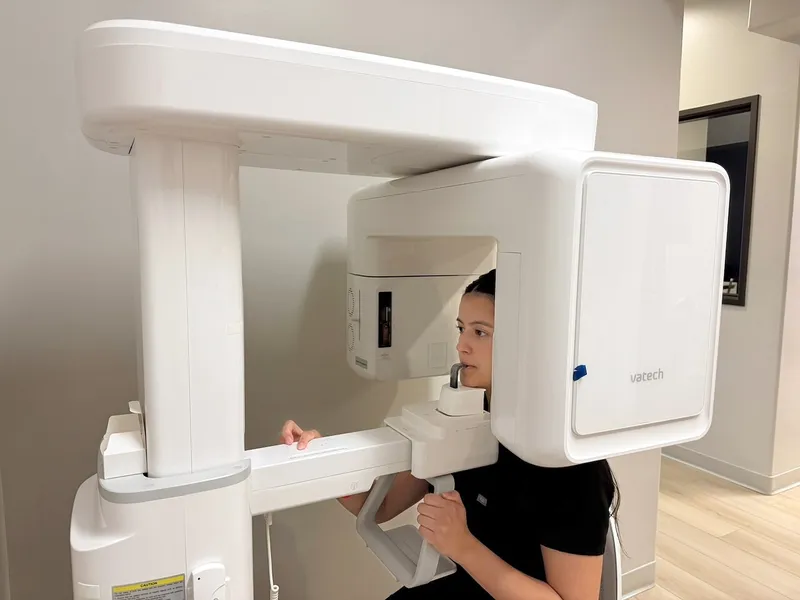
- A low-radiation 3D scan and an iTero scan of both arches
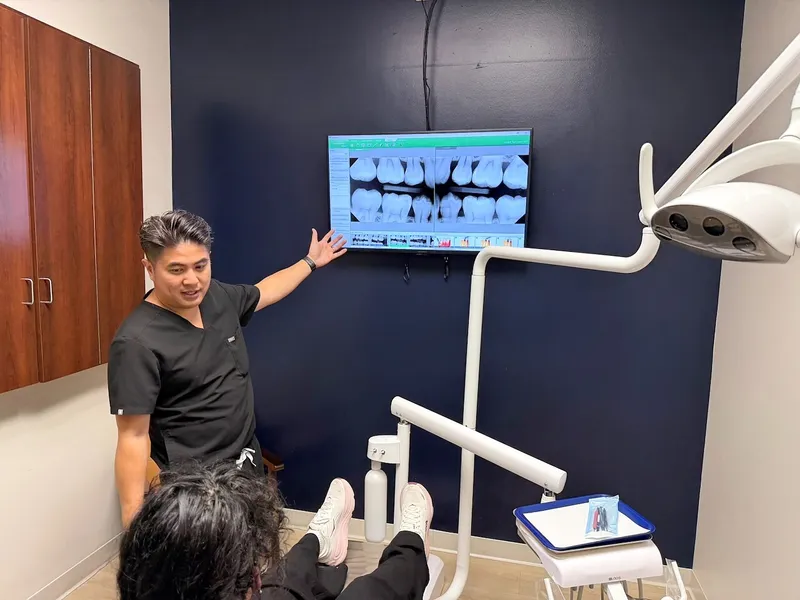
- A tooth-by-tooth review on the screen beside the chair
- Every option explained, including smaller steps and waiting
- A written, itemized quote for each phase, to take home
What changes once the whole mouth is rebuilt?
Results vary from person to person, and your scans set realistic expectations. These are the differences most people notice once the work is finished.
-
01
One plan instead of a list
Every tooth is accounted for in a single written plan, so you know what comes next and roughly when.
-
02
Fewer visits, fewer rounds of numbing
Grouping the work into planned visits usually means fewer appointments and fewer temporaries than the same work done piecemeal over years.
-
03
A bite that meets evenly again
The new teeth are designed to share the load, so chewing stops being something you plan around.
-
04
Less strain on the jaw
A worn or collapsed bite can contribute to sore jaw muscles. Restoring the bite height often eases that.
-
05
Teeth that look like yours
The first goal is teeth that work and last. The appearance follows from getting the structure right.
-
06
Work that is protected
Most plans finish with a custom night guard, so the new teeth are shielded from grinding while you sleep.
Which full mouth restoration approach fits your mouth?
Most plans fall into one of three approaches, or borrow from more than one. What decides it is how many of your own teeth can be kept, the state of your bone and gums, and whether you want everything fixed in place. There is no wrong answer.
| At a glance | Option 1Rebuild your own teeth | Most asked aboutKeep some, implant the rest | Option 3Implant-supported full arch |
|---|---|---|---|
| Best when | Most teeth are sound at the root but worn or broken above the gum | Some teeth are strong and some are failing or already missing | Most or all teeth in an arch are failing or already gone |
| What it involves | Crowns, onlays, veneers and bridges, planned around the bite | Crowns on the teeth you keep, implants where teeth are lost | Several implants carrying a full arch of teeth |
| Surgery | Usually none beyond routine dentistry | Implant placement at the sites that need it | Extractions and implant placement, sometimes grafting |
| Typical timeline | Often 2 to 6 months in phases | Often 6 to 12 months | Often 4 to 12 months, with temporary teeth along the way |
| Keeps natural teeth | Yes, every tooth that can be kept | Yes, the healthy ones | Usually not, in the treated arch |
| Comes out | No | No | Fixed versions no; snap-in versions yes |
| Relative cost | Varies with the number of teeth treated | Usually higher, depending on the number of implants | Usually the largest single investment |
Your plan may borrow from all three. Each piece is covered in detail on our dental implants, crowns and bridges and dentures pages. | |||
Reviewed by our own patients
Custerpoint Family Dental averages 4.8 stars across 234 public Google reviews, as of September 8, 2026, so you can read them yourself before you call. Results vary from person to person, so your consult covers what is realistic for your mouth.
Read the reviews on GoogleHow is a full mouth restoration done, step by step?
Most plans run in five phases over several months to a year or more. Phasing keeps each appointment manageable, and you can pause between phases when work or life needs you to. We explain each phase before it starts, and you decide when to go ahead.
- 01
Records and 3D planning, the first one or two visits
We take a low-radiation cone-beam CT, an iTero scan of both arches, photos and bite records. Dr. Tam or Dr. Chiem reviews them with you on the chairside screen and explains what is happening and why, tooth by tooth, in plain words. If you would rather talk it through in Chinese, see our Chinese-speaking dentist page.
- 02
Your written plan and a preview, usually one to two weeks later
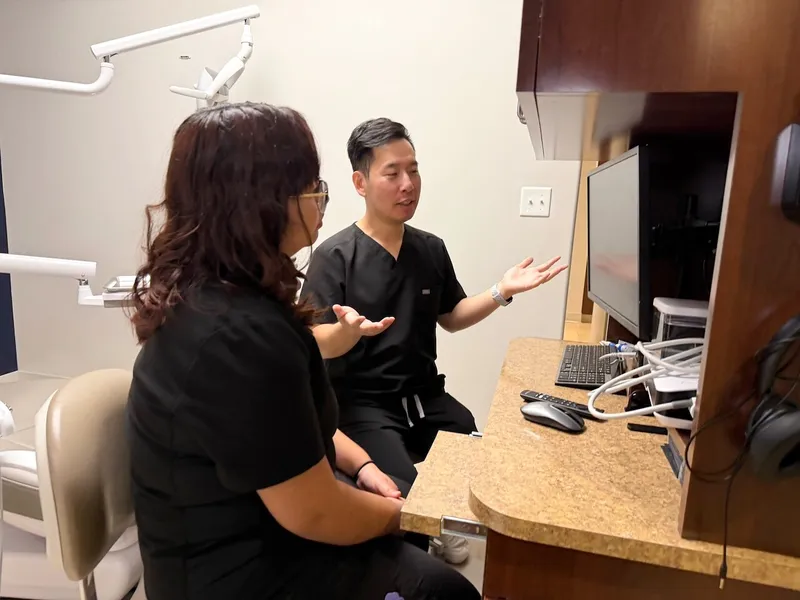
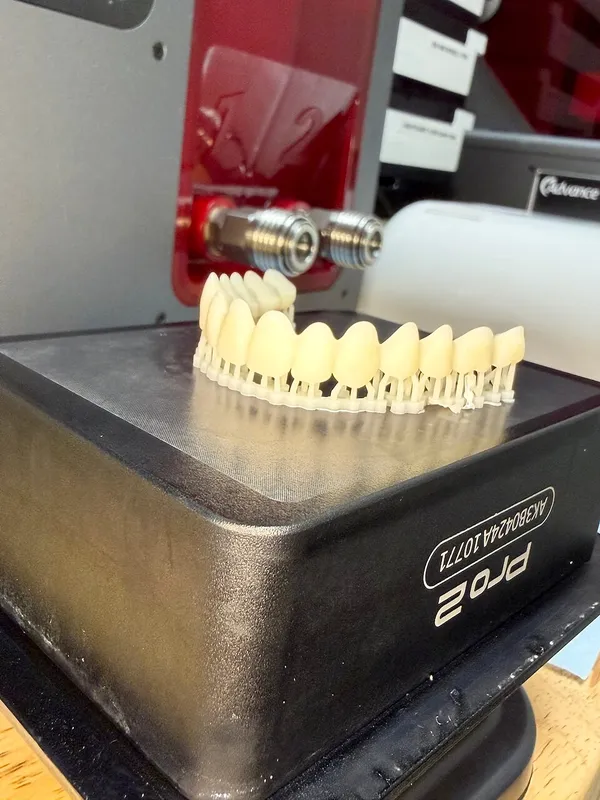
You get the full plan in phases, with timing and a written, itemized quote for each phase. Where the look of your teeth will change, we can print a model of the proposed result so you see it before any tooth is touched. You take it home and decide in your own time.
- 03
Foundation: gums, infection and extractions, weeks to a few months
Gum treatment, root canals and any extractions come first, because nothing built on unhealthy gums or infected teeth lasts. Gum disease that has been treated, or that can be brought under control, does not rule you out. This is often the phase that brings the quickest relief.
- 04
A test drive with provisional teeth, typically several weeks
Before the final crowns, you often wear provisional teeth printed in our office to the planned shape and bite. You live with them, eat with them and tell us what feels right, and we adjust them before anything permanent is made.
- 05
Final restorations and implants, one or more visits per phase
The final crowns, bridges, veneers or implant teeth go in phase by phase, with your bite checked on screen each time. Many single crowns in the plan can be milled in the office and placed the same day. Most plans finish with a custom night guard to protect the new work.
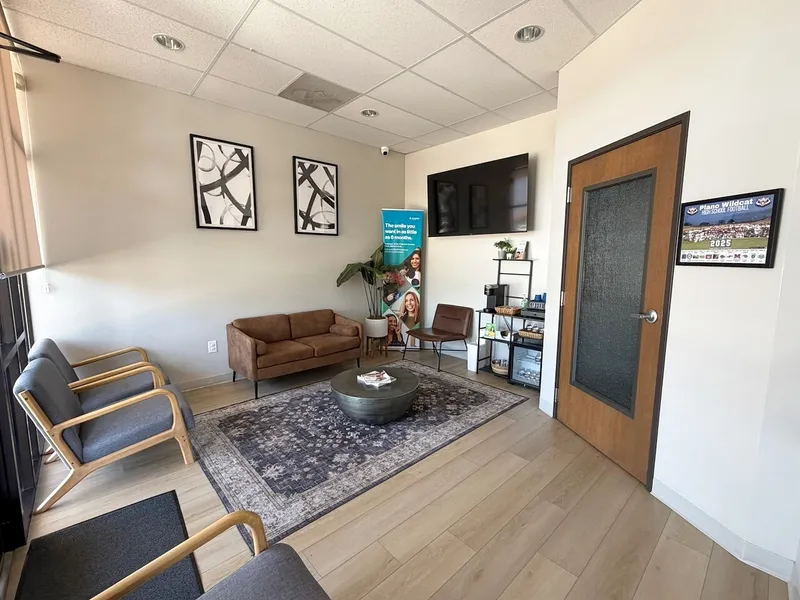
No surprisesEach phase has its own written quote, and nothing starts until you say yes.
How much does full mouth restoration cost in Plano?
It depends on how many teeth are treated and which approach your plan uses, and the range between cases is very wide. That is why a number quoted before 3D scans is a guess, and why a low headline figure deserves a close look at what it leaves out. A phased plan spreads the cost across the length of treatment.
What moves the number
- How many teeth need crowns, veneers, bridges or replacement, and whether implants are part of the plan
- Foundation work first: gum treatment, root canals, extractions or grafting
- Bite planning, provisionals and the test-drive phase, plus the materials chosen for each tooth
- Comfort options for longer visits, if you ask for them when you book
Good to knowInsurance benefits usually reset each year, so phasing across plan years can let you use more than one annual maximum.
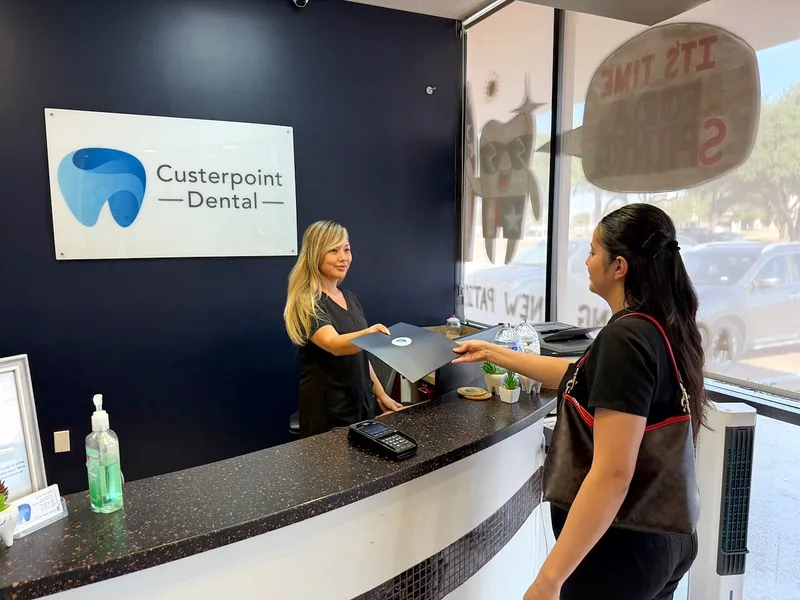
You get a written, itemized quote for every phase before it starts, so you always know what the next step costs and can decide when to take it. If anything needs to change along the way, we explain why and update the quote first.
The details are on our insurance and financing page.
Who plans your restoration, and what do they use?
Dr. Tam and Dr. Chiem plan every case on the same 3D records you see on the screen. They walk you through the plan tooth by tooth and answer your questions before any tooth is touched.
 Dr. Larry TamGeneral dentist and ownerA Plano native and Texas A&M Baylor College of Dentistry graduate, caring for Dallas-area patients for more than ten years.
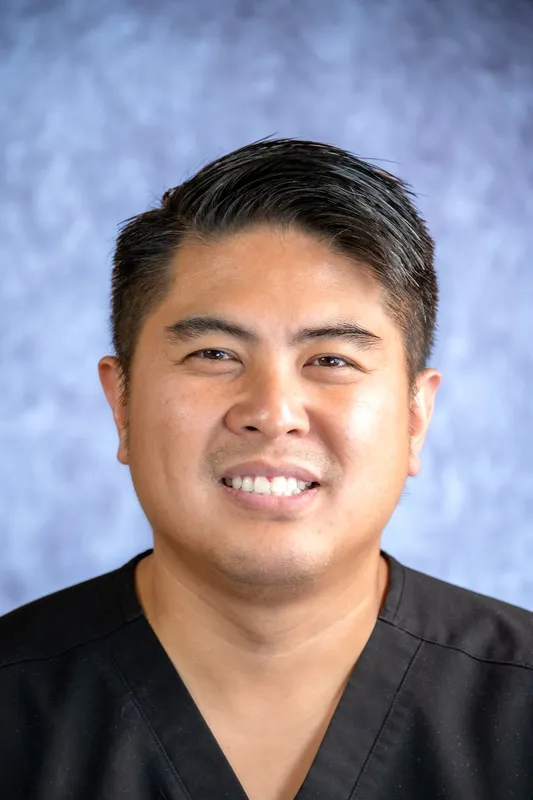 Dr. Johnny ChiemGeneral dentistYears of clinical experience and a gentle, compassionate approach; he walks you through your X‑rays on the screen before anything is decided.
Longer visits can be split into shorter ones, and you are numb for any work that needs it, so most people feel pressure rather than pain. If a long stretch in the chair worries you, tell us when you book and we will talk through your comfort options.
- 01
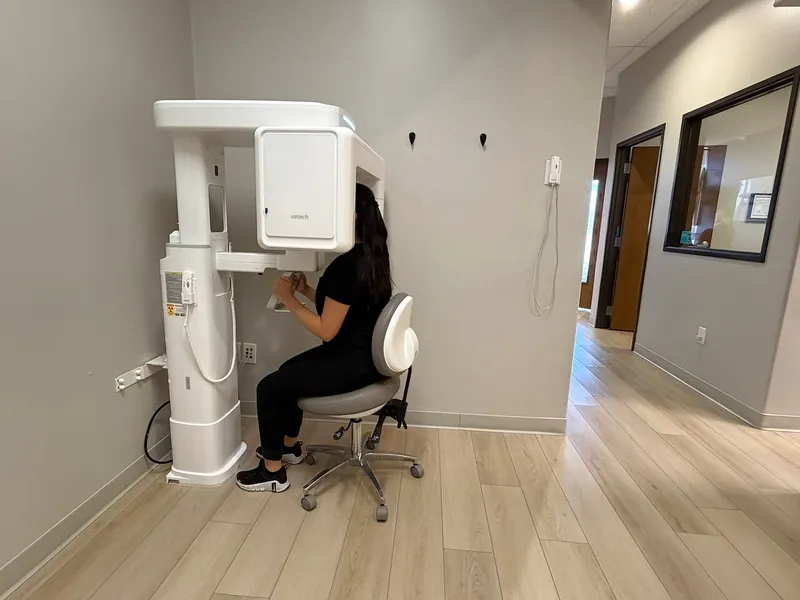
Low-radiation cone-beam CT
A 3D scan shows bone, roots, sinuses and jaw joints, so implant sites and failing roots are found during planning rather than halfway through treatment.
- 02
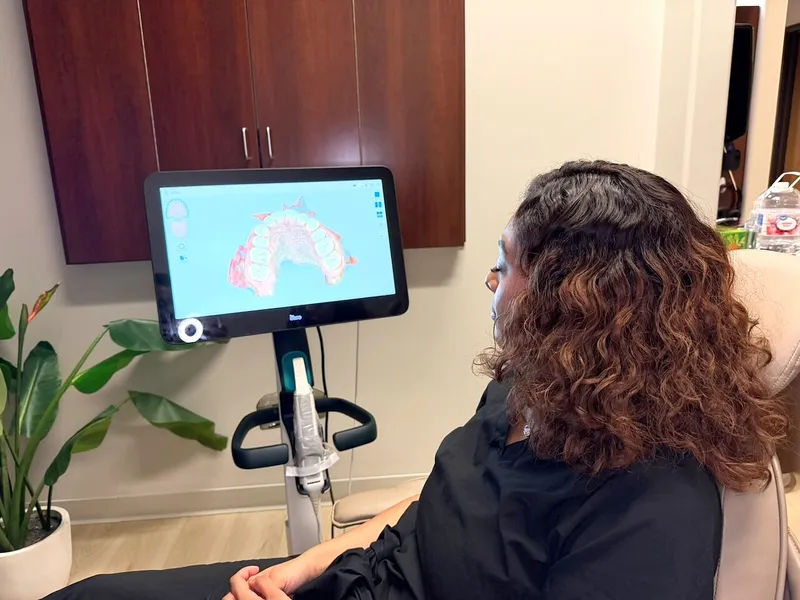
iTero digital scanner
Scans both arches and your bite in minutes with no goopy impressions, and gives us a digital record to measure against as each phase is finished.
- 03
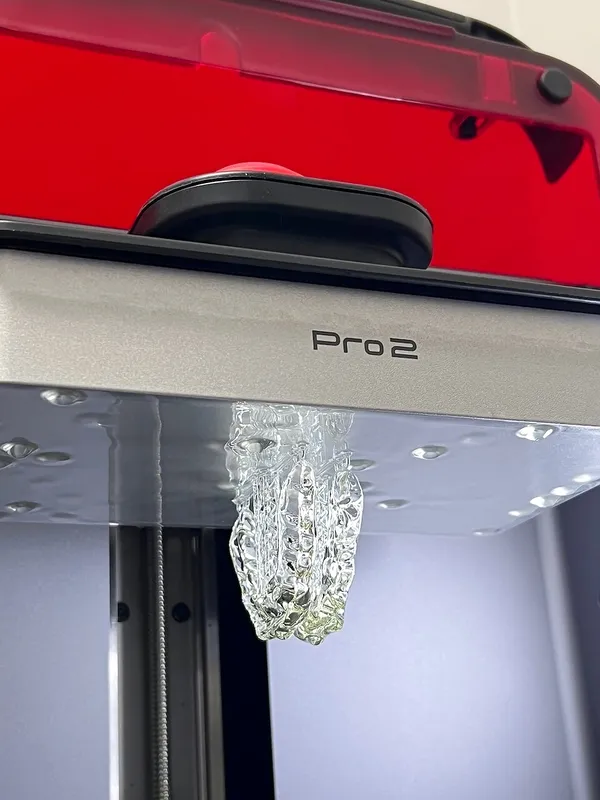
In-office 3D printer
Prints models, provisional teeth and appliances here, which speeds things up and lets us be specific with the design. Your test-drive teeth come from here.
- 04
Glidewell in-office mill
Mills many of the crowns in the plan right here. Most single crowns are finished in one appointment, which shortens each phase and cuts down on temporaries.
Full mouth restoration questions Plano patients ask us
Have one we have not covered? Call 972-265-9033 during office hours and you will reach the front desk.
 VeneersConsider it when the concern is mostly the look of the front teeth and the bite is sound.
 Crowns & BridgesConsider it when only a few teeth need repair and the rest of the mouth is healthy.
 DenturesConsider it when a removable option suits your health, budget or timeline better.
 Dental ImplantsA new root and tooth for a gap, planned on a low-radiation 3D scan.