Dentures come in three main types: full dentures that replace every tooth in an arch, partial dentures that fill gaps between healthy teeth, and implant-supported dentures that snap or lock onto implants. The cost in Plano depends on the type, the materials, and any extractions or implants needed, so the real number comes from a written quote after an exam and scan.
Which type of denture is right for you?
The right type depends mostly on how many healthy teeth you still have and how much stability you want.
If you are missing a few teeth, a partial denture may be enough. If you are missing most or all of your teeth in an arch, a full denture or an implant-supported denture is usually the choice. Many people in Plano start by asking about cost, but the type decides the cost, so it helps to understand the options first.
How do full, partial and implant-supported dentures compare?
The three main options, compared on what most people ask about first.
| Full dentures | Partial dentures | Implant-supported dentures | |
|---|---|---|---|
| Replaces | Every tooth in an arch | Several missing teeth between healthy ones | Every tooth in an arch |
| Held in place by | Suction and the shape of your gums | Clasps or attachments on your natural teeth | Two or more dental implants |
| Stability when eating | Can shift, especially the lower denture | Generally stable | Most stable of the three |
| Removed at night | Yes | Yes | Snap-in types yes, fixed types no |
| Protects jawbone | No | No | Helps preserve bone where implants sit |
| Surgery needed | Only if teeth must come out | Usually none | Implant placement |
Not sure which fits? A consult with a 3D scan shows what your gums and bone can support. | |||
What are full dentures?
A full denture is a complete set of replacement teeth on a gum-colored base that rests on your gums.
Upper full dentures usually hold well because they cover the roof of the mouth and create suction. Lower dentures tend to move more, because the tongue and a smaller ridge of bone give them less to grip. That lower-denture movement is the most common reason people ask about implants.
What are partial dentures?
A partial denture fills the gaps left by missing teeth and attaches to the natural teeth you still have.
It keeps the remaining teeth from drifting into the empty spaces, which helps your bite stay stable. Partials are commonly made on a metal framework or a flexible base, and your dentist will recommend one based on how many teeth remain and where they are.
What are implant-supported dentures?
An implant-supported denture attaches to dental implants placed in the jawbone, so it does not rely on suction or adhesive.
Snap-in versions, often called overdentures, clip onto a small number of implants and still come out for cleaning. Fixed versions stay in place and are removed only by the dentist. Because implants stimulate the bone around them, they can help slow the bone loss that usually follows tooth loss. You can read more on our dental implants page.
What about immediate dentures?
Immediate dentures are made ahead of time and placed on the same day your remaining teeth are removed, so you are never without teeth.
Your gums shrink as they heal over the following months, so immediate dentures usually need relines or a replacement to keep fitting well. They are a bridge to a long-term denture rather than the final step.
What determines the cost of dentures in Plano?
Cost depends on the type of denture, the materials, and the work your mouth needs before the denture can be made.
- The type: a partial, a full denture, or an implant-supported denture, with implants being the most involved.
- One arch or two: replacing upper and lower teeth together costs more than one arch.
- Extractions: any teeth that must come out first are quoted separately.
- Implants and bone: the number of implants and any bone grafting needed to support them.
- Materials: the quality of the denture teeth and base affects both appearance and how long they last.
- Immediate or conventional: an immediate denture often needs a later reline or replacement, which belongs in the plan.
What should an itemized denture quote include?
A complete quote lists everything from your first scan through the follow-up adjustments.
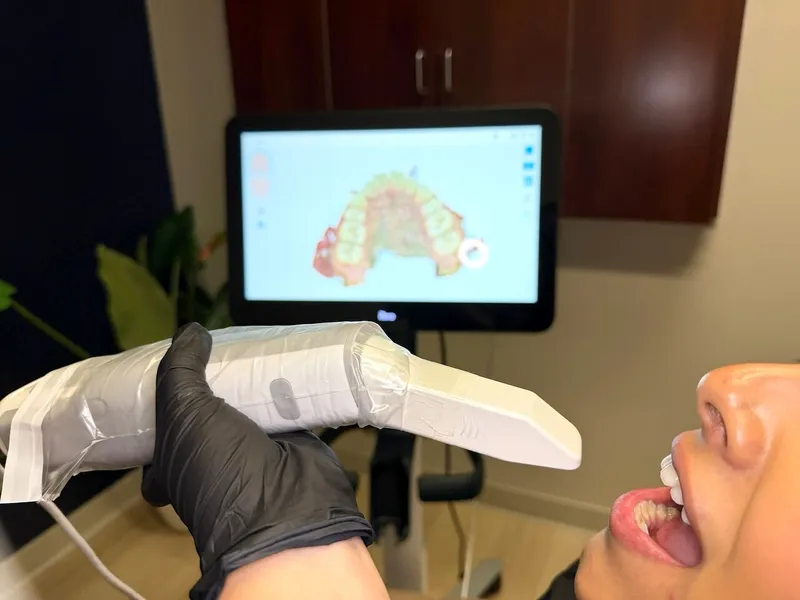
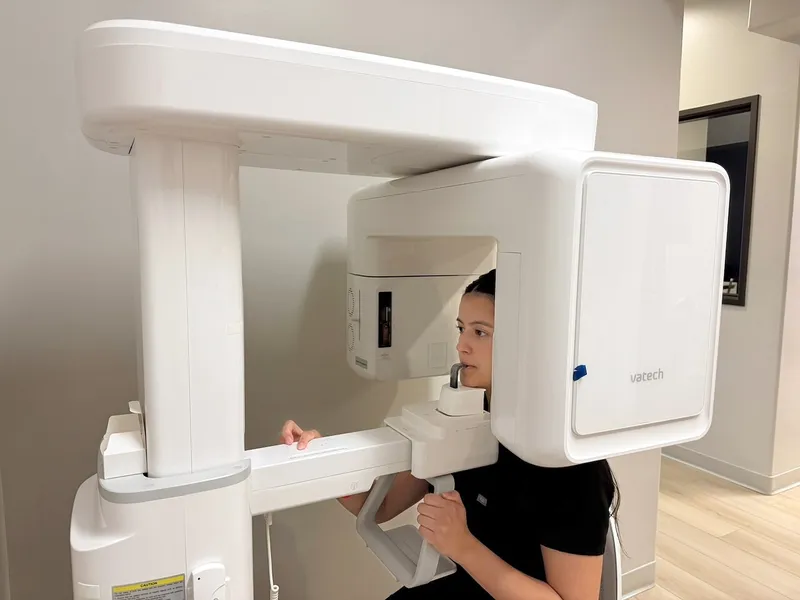
- The exam, X‑rays and any 3D imaging used to plan the case.
- Extractions and any bone grafting, listed separately.
- Implant placement, if you are choosing an implant-supported denture.
- The denture itself, with the type and materials named.
- Try-in visits and adjustments after delivery.
- Any expected reline, especially for immediate dentures.
If a low advertised denture price does not include extractions, adjustments or relines, you will pay for those separately later. Ask what is included before you compare.
Does insurance cover dentures?
Many PPO plans cover part of the cost of dentures, usually as major work.
Coverage typically depends on your plan's annual maximum, any waiting period for major work, and how often the plan allows a denture to be replaced. Implant coverage varies more widely. We file PPO claims for you and can request a pre-treatment estimate, so your plan states its share in writing before you begin.
For the portion insurance does not cover, CareCredit lets you pay over time, subject to credit approval. Details are on our insurance and financing page.
How long does it take to get dentures?
Conventional dentures typically take several weeks across a handful of visits. Implant-supported dentures take longer, often a few months, because the implants need time to heal.
- 01Exam and scan
Dr. Tam checks your gums, remaining teeth and bone, using X‑rays and 3D imaging where needed.
- 02Plan and quote
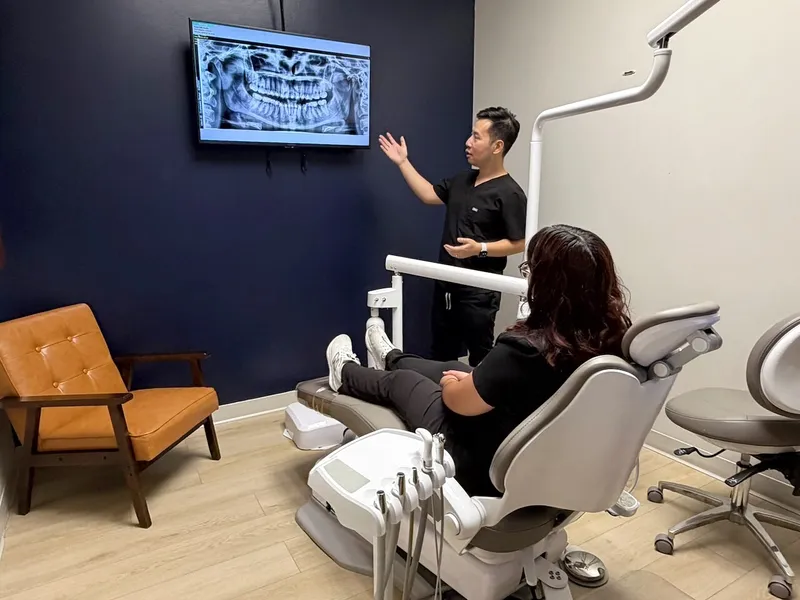
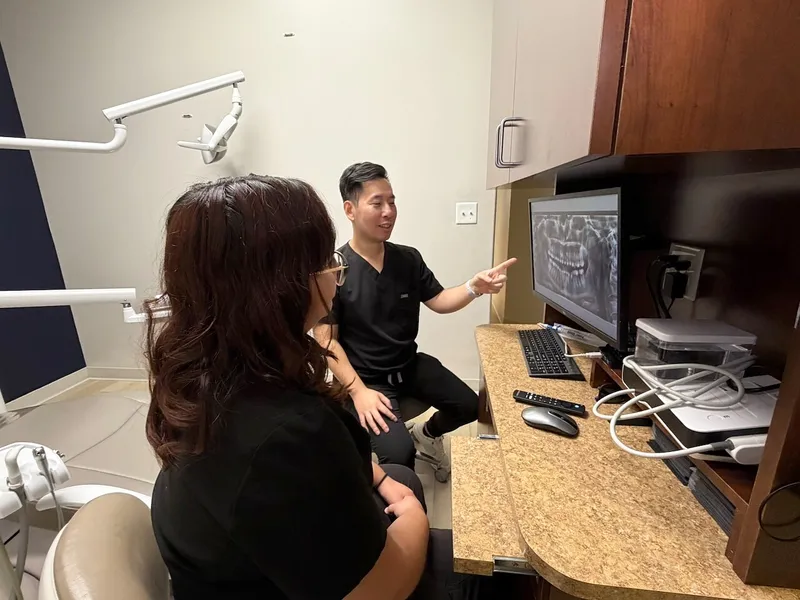
You see the options on the chairside screen and receive a written, itemized quote.
- 03Prepare your mouth
Any extractions, grafting or implant placement happen first, with healing time as needed.
- 04Try-in
You try the denture before it is finished, so the fit, bite and look can be adjusted.
- 05Delivery and adjustments
You receive your denture, then return for small adjustments as your mouth settles.
How long do dentures last?
Dentures often last about 5 to 10 years, though fit changes sooner as your jaw and gums change shape.
Relines refresh the fit in between, and regular checkups catch sore spots and wear early. A denture that slips, clicks or causes sores is not something to live with, because it usually means the fit has changed and can be corrected.
What is it like to adjust to new dentures?
Most people need a few weeks to get used to eating and speaking with new dentures.
Start with soft foods cut into small pieces, and chew on both sides at once to keep the denture balanced. Reading aloud helps your speech adapt faster. Sore spots are common at first, and a quick adjustment visit usually fixes them.
How do you get a real number for dentures in Plano?
The only accurate number comes after an exam and a scan, because the type of denture and the work beforehand vary so much from person to person.
If you are avoiding certain foods, or covering your smile in photos, the next step is small. Visit us at 3000 Custer Road in Plano for an exam and scan, and you will leave with a written, itemized quote whether or not you decide to go ahead. Call Custerpoint Family Dental at 972-265-9033 or book online.